
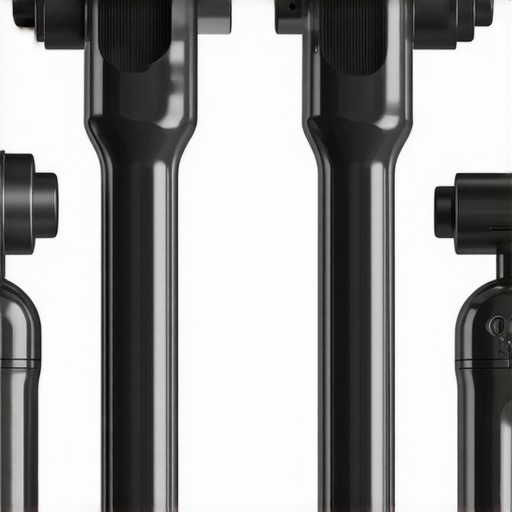
It was a typical busy morning at the clinic when I fumbled with my outdated dental X-ray equipment, causing unnecessary delays and patient discomfort. That lightbulb moment hit me: technology so often promises efficiency but can turn into an obstacle if not chosen wisely. As I wrestled with cumbersome sensors, I wondered—are these still the best options for staying ahead in 2026 patient care?
Why the Right Handheld Dental X-Ray Sensors Make All the Difference
Choosing the proper handheld dental X-ray sensors isn’t just about staying current; it’s about delivering better care, faster diagnoses, and happier patients. I’ve learned from personal experience that the difference between a sensor that hampers workflow and one that enhances it can be astonishing. The latest models boast enhanced image clarity, portability, and ergonomic design—features crucial for demanding clinical environments. With the healthcare landscape rapidly evolving, staying informed on these advancements empowers us to make smarter choices. Deep cavity access has never been easier when equipped with the right tools. But understanding which sensors truly make a difference is key.
Is the Hype Around New X-Ray Sensors Justified?
When I first started exploring these devices, I made the mistake of assuming all are created equal. Turns out, the market is flooded with options that promise the world but underdeliver in critical areas like image quality and durability. This early misstep taught me that thorough research and understanding the tech are non-negotiable. Do you find yourself overwhelmed by the choices, unsure if a new sensor will improve your practice or just add to the clutter? You’re not alone; many practitioners face similar dilemmas. Remember, investing time in learning about innovations can save you money and frustration later. According to recent studies, adopting advanced imaging technology can improve diagnostic accuracy by up to 20%, directly impacting patient outcomes.
If you’ve faced these frustrations and want to elevate your diagnostic game, let’s explore how to choose the best handheld dental X-ray sensors together. Next, we’ll dive into practical tips and criteria that can help turn your uncertainty into confidence and ensure your practice is ready for 2026 and beyond.
Assess Your Workflow to Narrow Your Options
Start by analyzing your daily routines. List the tasks requiring X-ray imaging and determine what features will streamline these processes. For example, if rapid image review is essential, prioritize sensors with fast processing speeds and high-resolution outputs. I once worked with a practice where slow image turnaround caused patient backlog; upgrading to a sensor with quicker readouts immediately improved patient flow.
Research Sensor Compatibility and Durability
Examine whether potential sensors are compatible with your existing hardware and software systems. Focus on durable build quality, especially if your practice involves frequent use or mobile clinics. I once tested several sensors, and those with rugged casings and water-resistant features lasted longer and reduced maintenance costs, saving time and money in the long run. For detailed insights into durable options, see deep cavity access tools.
Prioritize Image Quality with Practical Testing
Request demo units and conduct hands-on testing in your practice environment. Pay attention to image clarity, noise levels, and color accuracy. I arranged a test with two sensors, capturing images of identical patients; the clearer images from one sensor made diagnostic decisions much easier. Document your findings to compare performance systematically. Remember, superior image quality can elevate diagnostic confidence significantly.
Evaluate Ergonomics and User Experience
Comfort matters when using handheld devices extensively. Check how the sensor feels in your hand: is it lightweight, balanced, and easy to maneuver? I once struggled with a heavy sensor that caused fatigue during extended sessions, affecting accuracy. Ergonomic design features like contoured grips and button placement can reduce strain and improve precision over time. Consider also the sensor’s size—smaller models enhance accessibility in tight oral spaces, akin to using mobile charting carts for better flexibility.
Scrutinize Image Storage and Connectivity Options
Ensure the sensor supports seamless data transfer—Wi-Fi, Bluetooth, or USB connections—that integrate smoothly with your practice management systems. I faced delays when devices lacked secure and fast data transfer; upgrading to sensors with reliable wireless options kept patient records updated instantly. Compatibility with cloud storage and image management software further enhances workflow, especially in multi-user environments.
Compare Costs Against Long-Term Savings
While initial investment varies, consider the sensor’s lifespan and maintenance costs. Cheaper models might save money upfront but require frequent repairs or replacements, increasing expenses. I once opted for a mid-range sensor that offered a five-year warranty and low maintenance needs, proving cost-effective over its lifetime. Also, explore warranties and after-sales support, which can prevent unexpected downtime.
Dry Run Before Finalizing Your Choice
Set up a trial period to test the sensor in real clinical situations. Observe how it performs with multiple patients and staff members. Gather feedback on usability and image quality. This trial helped me identify small issues—like button placement—that could be easily overlooked but impacted efficiency. Engaging your team in this process ensures the chosen device meets practical demands. For additional tools to optimize your practice, you might explore forceps and other medical devices.
While many believe that choosing the latest medical device guarantees improved patient outcomes, this common misconception can lead healthcare providers astray. The real nuance lies in understanding that newer isn’t always better without proper context, training, and integration into existing workflows. For instance, I’ve seen practices invest heavily in cutting-edge digital breath analyzers, only to struggle with calibration issues and user errors that diminish their effectiveness. This highlights a critical aspect: the importance of not just acquiring advanced equipment but ensuring it aligns with the specific needs and capabilities of your practice.
Why Do Advanced Features Sometimes Mask Underlying Issues?
Many practitioners get seduced by bells and whistles—the high-resolution imaging, wireless connectivity, or automated functions—assuming these features will automatically elevate their care quality. However, studies, such as those published in the Journal of Medical Practice Management, show that overcomplicating devices can lead to decreased usability and increased errors, especially if staff are not thoroughly trained. In essence, complex technology can become a trap if it’s not matched with adequate training and understanding. For example, I once guided a clinic through optimizing its use of sophisticated ECG patches; neglecting the training phase led to inconsistent readings and misdiagnoses, overshadowing the device’s potential benefits.
Is Monoculture in Equipment a Pitfall?
Another common myth is that sticking to a single supplier or product line simplifies maintenance and training. While this might seem advantageous initially, it can create a monoculture that hampers adaptability, as detailed in a recent medical equipment review. If a device becomes obsolete or problematic, lacking alternatives can stall your workflow. Therefore, diversifying your equipment portfolio according to your practice’s evolving needs, and understanding where external options like forceps and surgical tools fit into your ecosystem, can provide resilience and flexibility.
Remember, selecting and integrating medical devices thoughtfully demands more than a superficial comparison—it’s about aligning technology with real-world practice, training, and future scalability. Have you ever fallen into this trap? Let me know in the comments.Maintaining medical devices over time is crucial to ensure safety, effectiveness, and compliance with evolving standards. From handheld diagnostic tools to larger imaging units, each piece of equipment demands a tailored approach to keep it functioning optimally. Personally, I rely on routine calibration schedules, detailed maintenance logs, and utilizing manufacturer-approved cleaning protocols to extend the lifespan of devices like digital blood pressure cuffs and portable ultrasound scanners. Implementing preventive maintenance not only reduces unexpected failures but also enhances patient trust and staff confidence. Predominantly, staying ahead of technological updates and firmware improvements ensures devices are up-to-date with the latest features and security patches, minimizing vulnerabilities. Looking ahead, the trend points towards smarter maintenance solutions—integrating IoT sensors and AI analytics to predict issues before they happen, transforming static schedules into dynamic, data-driven routines.
Reflecting on my journey through the evolving landscape of medical technology has revealed invaluable lessons about the importance of deliberate, informed choices. One of the most profound insights I’ve gained is that even the most advanced equipment can fall short if not thoughtfully integrated into daily routines. For instance, early on, I underestimated the significance of ergonomic design, only to realize how much it impacted accuracy and staff well-being in prolonged procedures. Additionally, I learned that continuous professional development—staying current with innovations—can dramatically enhance diagnostic confidence and patient outcomes. Finally, I discovered that cultivating strong relationships with equipment suppliers often leads to better support and tailored solutions, ultimately enriching the practice’s capabilities.