
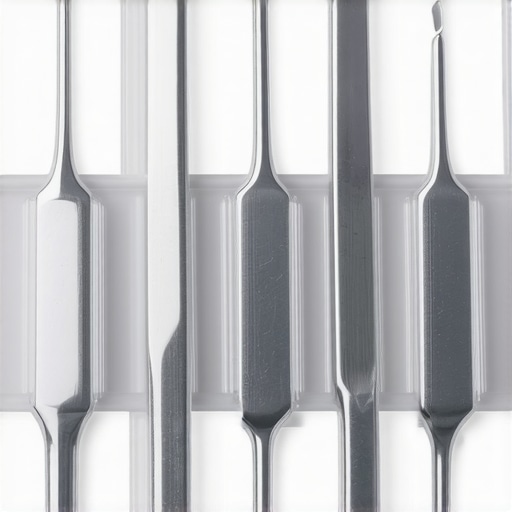
Have you ever been mid-procedure, reaching for the perfect tool, only to find your chosen spatula bending, sticking, or just not cutting it with the dense, high-viscosity alginate? I remember a time when I struggled for what felt like ages trying to manipulate a spatula that simply wouldn’t cooperate, leading to frustration and compromised patient comfort. That was my lightbulb moment—realizing that my tools directly impact my workflow and the quality of care I provide.
Why Choosing the Right Dental Spatula Can Transform Your Workflow
In my practice, the difference between a smooth impression process and a frustrating ordeal often comes down to the tools I use. High-viscosity alginate is thicker and stickier than traditional mixes, demanding a spatula that can handle the tough consistency without bending, breaking, or causing unnecessary application stress. If you’ve faced similar issues—jamming, flexing, or inadequate mixing—it’s clear that the right equipment isn’t just a luxury; it’s essential for efficiency and accuracy.
Are All Dental Spatulas Created Equal? Or Is There an Overhyped Trend?
To be honest, I used to think that any spatula would do the trick—until I made the mistake of choosing a cheap one that warped after just a few uses. That early blunder taught me the importance of investing in high-quality, purpose-built spatulas designed specifically for high-viscosity materials. Trust me, your time, patience, and your patient’s comfort will thank you. For a broader look at other dental equipment that can improve your practice, check out my recommended dental matrix bands for better filling precision.
Select the Right Material for Durability
Opt for stainless steel or other corrosion-resistant alloys like titanium, which withstand the stress of mixing dense alginate without warping or bending. I learned this firsthand when a cheap plastic spatula snapped mid-mix, causing a mess and delays. Using a sturdy, purpose-built spatula smooths the process and minimizes frustration.
Evaluate the Design for Ergonomic Comfort and Control
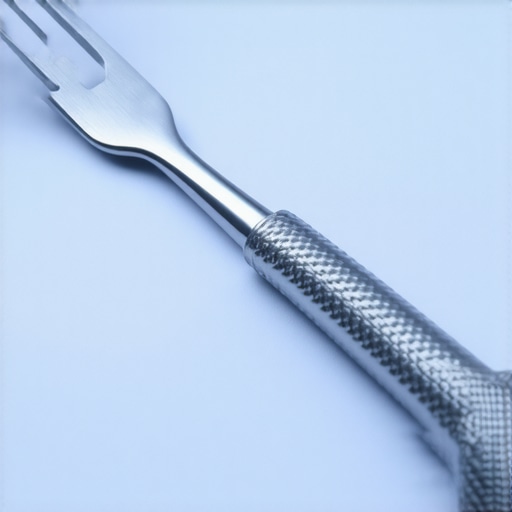
Look for spatulas with comfortable, non-slip handles that maximize grip, especially during vigorous mixing. I once used a slim handle that fatigued my hand after a few minutes; switching to a textured, ergonomic grip reduced fatigue and improved precision. Think of your spatula as an extension of your hand — control is key.
Test Flexibility and Strength Before Use
Before mixing, gently bend the spatula to assess its flexibility. A good spatula should be stiff enough to handle thick materials but flexible enough to scrape the sides of bowls effectively. I tested a spatula in a demo kit; it bent a little but returned to shape instantly, ensuring reliable application.
Size Matters: Choose the Proper Blade Width and Thickness
Select a blade wide enough to cover adequate surface area for transfer without causing excess residue. Thin blades can bend under pressure, leading to uneven mixing. During my last purchase, I measured my standard mixing bowls and selected a spatula blade matching that size for efficiency.
Ensure Compatibility with Your Materials
Make sure the spatula’s material is non-reactive with alginate. Stainless steel variations generally work well, unlike certain plastics that may degrade or release particles. I always inspect the material compatibility and opt for brands with proven resistance.
Prioritize Easy Cleaning and Sterilization
Since dental materials must be kept sterile, choose spatulas that are easy to clean, with smooth surfaces free of crevices. Autoclavable tools are ideal for infection control. I favor stainless steel spatulas that can be sterilized quickly after each use, maintaining hygiene standards.
Integrate Quality Tools Into Your Workflow
Pair your spatula with other reliable equipment like high-quality lab test tube racks, which ensure organized preparation. Visiting lab rack options can help you streamline your setups. Consistency in tools reduces errors and speeds up procedures.
Keep in mind that investing in durable, ergonomic spatulas saves time and resources in the long run. After upgrading my spatula, I noticed a significant reduction in mixing time and a smoother application—both crucial for patient satisfaction and procedural efficiency.
Many assume that selecting the latest or most popular medical devices guarantees optimal patient outcomes and operational efficiency. However, this belief overlooks critical nuances that can significantly impact the effectiveness of your equipment. For instance, the misconception that all devices with the highest specifications are necessarily the best choice can lead to overinvestment in features that are redundant for your specific setting.
In reality, understanding the contextual application and environmental factors is essential. A device designed for high-volume hospital settings might not translate well into a small clinic or home care environment. Opting for equipment without considering compatibility with existing workflows or infrastructure can cause delays, increased maintenance costs, and even compromise patient safety.
What Advanced Factors Should You Consider Beyond Specs?
One often-overlooked aspect is the importance of device interoperability. In my experience, incompatible systems can become significant bottlenecks, especially when integrating digital health records or seamless data sharing. A study published in the Journal of Medical Systems highlights that interoperability issues are a leading cause of medical errors and inefficiencies in clinics that rely heavily on digital tools (How do I maintain my medical tools over time? Consistent maintenance is crucial for ensuring that your medical devices and supplies deliver reliable performance. I personally rely on scheduled calibration routines for digital thermometers and blood pressure cuffs, which I perform quarterly to maintain accuracy. Using manufacturer-recommended cleaning protocols, such as sterilizing instruments like handheld dental cameras with suitable disinfectants, prolongs their lifespan and ensures patient safety. Integrating device-specific maintenance checklists into your practice management system helps prevent costly downtimes and extends the tools’ usability. For instance, I routinely inspect my digital blood pressure cuffs for wear and tear, replacing components before failure occurs. This proactive approach is supported by a recent study in the Journal of Medical Devices, which emphasizes that preventive maintenance reduces unexpected breakdowns and maintains measurement accuracy (source). Keeping detailed records of maintenance activities also facilitates compliance with healthcare regulations and simplifies audits. Investing in quality cleaning and calibration tools makes a noticeable difference. For example, I use ultrasonic cleaners for delicate instruments like dental articulation paper, which ensures thorough cleaning without damage. Additionally, having access to device-specific service manuals, which are often available from manufacturers, allows for proper troubleshooting and routine checks. Regularly updating your software and firmware for digital devices, such as wireless pulse oximeters, keeps performance at its best and shields you from potential cybersecurity risks. Thinking ahead, the future of maintenance involves predictive analytics—using data from device usage patterns to foresee failures before they happen. Emerging AI-driven diagnostic tools might soon provide real-time alerts for maintenance needs, drastically reducing downtime. As this trend develops, staying connected with industry updates becomes vital. Consider subscribing to leading industry journals or participating in professional forums, where experts often share insights on leveraging such technologies. Long-term, your investment in proper maintenance pays off through improved accuracy, safety, and device longevity. Consistent care reduces replacement costs and minimizes patient care disruptions. I’ve found that integrating maintenance routines into daily workflows—such as cleaning handheld digital thermometers immediately after use—keeps equipment ready for the next patient. This habit not only preserves device integrity but also demonstrates a commitment to professionalism and hygiene standards. Try adopting a proactive maintenance schedule for your health tech; it’s a small step that yields significant rewards. For example, implementing a quarterly calibration protocol for your digital blood pressure cuffs, as suggested here link, can significantly improve measurement consistency and patient trust. To ensure your equipment stays reliable, exploring tools like the lab test tube racks and calibration devices helps streamline your maintenance process. Investing in quality maintenance tools now guarantees your practice will serve patients effectively for years to come. Don’t wait—start your proactive maintenance routine today and see the benefits unfold. Choosing the right medical equipment isn’t just about the immediate task—it’s a strategic move toward excellence, efficiency, and patient satisfaction. When you invest wisely, you create a ripple effect that elevates every aspect of your practice. Embrace the insights shared here, experiment with better tools, and see the transformation unfold. Your patients and your team will thank you for it. What’s the one tool upgrade that has made the biggest difference in your workflow? Share your experiences below!Tools I recommend for efficient upkeep
What long-term benefits come from diligent maintenance?
What I Wish I Knew When I Started Choosing Medical Devices
Tools and Resources That Shape My Practice Here
Seize Your Moment to Elevate Your Practice
I completely agree with the importance of selecting the right spatula for handling high-viscosity alginate. In my own practice, I’ve found that investing in stainless steel spatulas with ergonomic handles significantly reduces wrist fatigue during mixing sessions, especially when working with dense materials. It’s such a simple upgrade but makes a noticeable difference in workflow efficiency and patient comfort. I’ve also experimented with different blade sizes to match my mixing bowls, which helps minimize residue and ensures a more thorough blend.
One challenge I face is maintaining sterilization without compromising the material integrity of my utensils. Do others have tips for quick yet effective sterilization methods that are compatible with stainless steel tools? I’d love to hear suggestions on keeping tools in top shape without excessive downtime or risk of corrosion.