
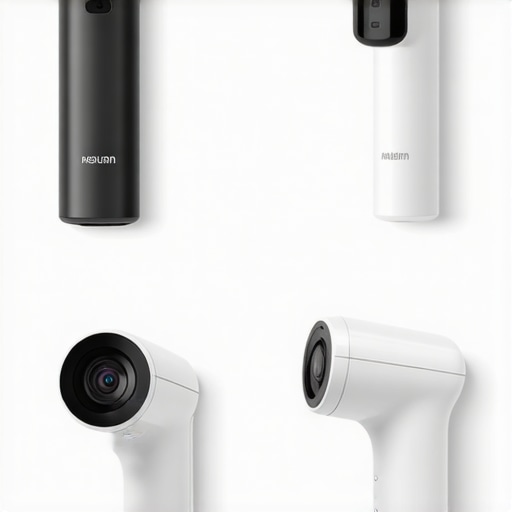
Ever had a patient grimace at the idea of dental imagery, clutching their jaw as if a horror story is unfolding in their mouth? I remember those moments vividly—trying to explain a cavity or gum issue, only to realize that words aren’t enough. That frustrating disconnect? That’s when I discovered the game-changer: handheld dental cameras. I was skeptical at first, thinking, “Is this just another gadget?” but boy, did I learn differently.
Why Seeing Truly Is Believing: The Power of Visual Engagement
Visuals are the heartbeat of effective patient education. When patients see their own dental issues in real-time, understanding skyrockets. This isn’t just about technology—it’s about building trust, reassurance, and informed consent. With the right handheld camera, I can show a patient a tiny crack or plaque buildup clearly, making them active participants in their own care. And, let me tell you, the transformation in patient cooperation is palpable.
But here’s the snag—many practitioners hesitate. Cost, complexity, or just plain uncertainty. They ask, “Are these gadgets worth the investment?” Well, recent advances suggest they are not just worth it—they’re essential. In fact, a study by the American Dental Association highlights that visual aids improve patient understanding significantly, leading to better compliance and satisfaction.
Is Upgrading to 4 Handheld Dental Cameras Just a Fluff?
I’ll admit, I made a mistake early on: I bought a low-quality camera, thinking a cheap option would suffice. Turns out, blurry images and fragile equipment only added frustration. Now, I always emphasize choosing durable, high-definition models. For a comprehensive jumpstart, I recommend checking out options like [these advanced handheld cameras](https://medicaldeviceinsight.com/4-portable-dental-radiography-units-for-2026) that are built to last and deliver crystal-clear visuals.
Choose the Right Equipment for Precision Imaging
Start by researching high-definition, durable models, akin to selecting the best tools for a delicate craft. I recall my first purchase—a cheap camera that blurred images and frustrated both me and patients. Instead, I now prefer models with ergonomic design, high resolution, and resistant casings. For recent options, see these advanced handheld dental cameras. Ensure the device’s compatibility with your existing setup and look for features like adjustable lighting to enhance image clarity.
Set Up a Consistent Workflow for Efficient Imaging
Implement a standardized process: sanitize the camera before each use, position it comfortably, and establish a routine for capturing images. I once attempted to photograph a tricky molar, but chaos ensued—incorrect angles, prolonged fumbling, patient discomfort. Now, I dedicate a specific workspace with organized tools and familiar routines. Use a dedicated paper towel or cloth to keep the camera clean, similar to maintaining a sterile environment with wall-mounted sharps containers, which prevent cross-contamination. Consistency reduces errors and speeds up the process, making patient interactions smoother.
Incorporate Real-Time Visualization into Consultations
Position the camera to get clear shots and immediately display images on a monitor or tablet for patient review. I remember showing a patient a crack in their molar in real-time—their surprise and engagement were priceless. During this step, stabilize the camera to avoid blurry captures, just as precise lab equipment does for consistent results. Encourage patients to observe their teeth, pointing out issues, and explaining in layman’s terms. This active involvement fosters trust and motivates compliance with recommended treatments.
Enhance Image Quality with Proper Lighting and Positioning
Good lighting makes or breaks image clarity. Use the device’s built-in LEDs at optimal angles or supplement with portable dental lamps. I once neglected lighting, resulting in dark, unusable images. Now, I always check the lighting setup beforehand. Position the camera parallel to the tooth surface, avoiding shadows or glare, much like aligning dental matrix bands to ensure perfect fillings. Practice helps in mastering angles, leading to clearer visuals that truly highlight issues.
Archive and Review for Continuous Improvement
Save images systematically in patient records and review them regularly to track progression or healing. Implement a naming convention—date, patient ID, tooth number—for easy retrieval. I once overlooked this step, causing confusion later. Now, I use digital tools with integrated labeling features, similar to lab sample tracking systems. Reflecting on these images helps refine your technique and prepares you for future cases, elevating your diagnostic accuracy over time.
When it comes to medical devices and equipment, many practitioners rely on common beliefs or surface-level features without delving into the nuances that truly impact outcomes. A widespread myth is that newer or more expensive equipment automatically guarantees better performance. While innovations are crucial, the reality is that improper understanding and usage often diminish their true potential. For instance, many healthcare providers invest in high-tech devices like advanced handheld glucoses or digital thermometers but neglect to comprehend the subtleties of calibration and maintenance, leading to inaccurate readings. Such oversights can undermine diagnostic accuracy and patient safety, emphasizing that technology alone isn’t enough; operational expertise matters greatly. One overlooked aspect is device compatibility with existing workflows, which can either streamline processes or cause costly bottlenecks. Choosing equipment without considering this fit often results in wasted resources and frustration. Moreover, a common mistake is underestimating the importance of staff training. No matter how sophisticated the device, if users aren’t fully trained on its advanced features—like auto-shutoff or connectivity options—they won’t reach optimal performance. This oversight can turn what should be a productivity booster into a liability. Have you ever fallen into this trap? Let me know in the comments.
Keeping your medical devices and supplies in top shape isn’t just about occasional cleaning; it involves a comprehensive maintenance strategy that ensures reliability, accuracy, and safety over the long term. Regular checks, proper calibration, and timely repairs are the pillars that support sustained equipment performance. For example, digital thermometers require periodic calibration to maintain measurement accuracy, which is critical for patient care. Incorporating routine maintenance schedules helps prevent unexpected breakdowns and extends the lifespan of your tools.
How do I maintain my medical tools over time?
One effective approach is adopting a dedicated maintenance protocol for each device type. For electronic equipment like handheld glucose meters, I personally use manufacturer-recommended calibration kits and software updates. For mechanical tools, such as dental articulators, regular lubrication and inspection prevent wear and tear. Additionally, keeping detailed maintenance logs — noting calibration dates, repairs, and parts replacements — provides a clear history that supports troubleshooting and future planning. Investing in quality cleaning supplies, like antimicrobial wipes, ensures cleanliness without damaging sensitive components. Moreover, training staff thoroughly on proper handling reduces accidental damage and ensures consistent care routines. Looking ahead, integrating IoT-enabled sensors into equipment could automate maintenance alerts, reducing manual oversight and minimizing errors. For now, sticking to proven routine maintenance procedures remains essential for optimal longevity.
Tools I recommend for durable, reliable performance
One of my top picks is the wall-mounted sharps containers. These not only streamline waste management but also maintain safety standards, preventing cross-contamination — a critical aspect in clinical environments. High-quality sterilization units, like portable ultrasonic cleaners, are vital; I prefer models with adjustable cycles and digital timers for consistent cleaning results. For digital diagnostics, software platforms that automate calibration reminders and enable remote troubleshooting are game-changers. For instance, integrating data management systems with your devices can flag calibration drift, reducing manual checks. As technology advances, expect more devices to feature self-diagnostic capabilities, making maintenance more proactive than reactive. Until then, establishing a routine that combines manufacturer guidelines with diligent record-keeping is the best strategy. I encourage you to try implementing a maintenance calendar with alerts — it’s surprisingly effective at catching issues early and saving costs over time.
What I Wish I Knew When I Started Using Handheld Dental Cameras
One of the most eye-opening lessons I learned was the vital importance of investing in high-quality, durable models. A cheap, blurry camera not only hampers your ability to educate patients effectively but also diminishes their trust in your expertise. Choosing a well-made, high-definition device transforms patient interactions, turning dental assessments into engaging educational moments.
Another key insight is establishing a consistent workflow. Without a routine, capturing clear, useful images becomes chaotic—patients can feel uncomfortable, and your efficiency drops. Designing a dedicated space with organized tools and standardized steps ensures smooth operations, much like how wall-mounted sharps containers keep clinical environments safe and streamlined.
The realization that real-time visualization fundamentally improves patient understanding is profound. Showing patients their own dental issues on a monitor fosters trust and motivates compliance. Stabilizing the camera and optimizing lighting aren’t just technical steps—they are the bridge to better patient engagement and outcomes.
Finally, consistent image archiving and review are game-changers. Over time, these visuals build a diagnostic narrative, enhancing your diagnostic skills and patient care plans. Just like routine calibration keeps devices accurate, systematic management of images ensures your practice’s continuous improvement. Embracing these lessons demands not just the right equipment but also a mindset focused on precision and patient connection.