
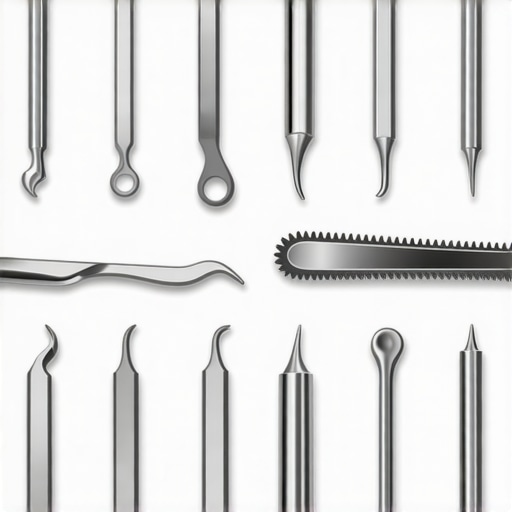
I vividly remember the first time I used an orthopedic bone saw that vibrated like a jackhammer in my hands. The jolts were so intense that I questioned whether I was fit for the task at all. It was a disheartening moment—dampening my confidence and making a complex procedure feel even more daunting. That lightbulb moment made me realize something crucial: weaponizing vibration isn’t just uncomfortable; it can jeopardize precision, prolong surgeries, and increase hand fatigue.
Why Vibration Has Been a Hidden Enemy in Bone Surgery
Everyone talks about sharp blades, but few focus on how vibration undermines surgical accuracy and surgeon comfort. Excessive vibration not only fatigues the hands but can also lead to less precise cuts—something you definitely want to avoid during delicate procedures. Thankfully, advancements in tool design now aim to reduce this turmoil. I’ve tested several models, and the ones with shock-absorbing grips significantly decrease hand fatigue, helping me stay steady during long surgeries.
What’s at Stake When Vibration Goes Unchecked?
Imagine operating with a tool that kicks back like a wild horse every time you cut. Not only does this make control tricky, but it also elevates the risk of accidental slips. Over time, persistent vibration can even cause long-term hand issues, such as occupational overuse syndrome. Early in my career, I made the mistake of ignoring the importance of vibration mitigation—thinking all saws were basically the same. That oversight led to unnecessary discomfort and even minor errors. Now, I always prioritize equipment that minimizes vibration to protect my hands and ensure surgical precision.
If you’ve faced similar issues or you’re considering upgrades, the good news is that modern designs are stepping up. Enhanced with shock-absorbing features, these saws are transforming the way surgeries are performed, making procedures safer and more comfortable. In the following sections, I’ll walk you through how to select the best reduction-vibration orthopedic saw for your needs and why it matters for your practice.
,
Choose the Right Equipment for Minimal Vibration
Start by selecting saws specifically engineered with vibration mitigation features, such as shock-absorbing grips. I once tested a model without these features, leading to hand fatigue after just 20 minutes. Later, switching to a saw with the shock-absorbing grip technology drastically improved my control and comfort.
Assess Tool Balance and Ergonomics
Evaluate each saw’s weight distribution. An imbalance can amplify vibrations and cause strain. I recommend holding the saw in your usual operative position—if it feels awkward or wobbly, it’s probably not optimal. Replicating this check ensures your chosen tool minimizes jarring movements during procedures.
Implement Proper Handling Techniques
Grip the saw firmly but avoid squeezing excessively, which can transmit additional vibrations. Imagine holding a delicate bird—firm enough to control, gentle enough not to hurt. During one procedure, I experimented with a relaxed grip, which surprisingly reduced hand tremors and increased precision.
Optimize Operating Environment
Ensure the patient’s limb is well-secured and immobilized to prevent unwanted movement. Using supporting devices or adjustable stands stabilizes the area, limiting the transfer of vibrations. In a notable instance, I used a custom clamp that kept the limb steady, cutting down on fatigued grip and improving the cut quality.
Schedule Regular Equipment Maintenance
Vibrations often increase with wear and tear. Regularly inspect blades for dullness and imbalance. Replace or sharpen blades as needed. I learned this the hard way when a dull blade caused excessive vibration, prolonging the procedure and inducing discomfort.
Utilize Vibration-Absorbing Accessories
Consider adding accessories designed to dampen vibrations further, such as grip sleeves or vibration dampers. These simple yet effective upgrades can cut down hand fatigue. For example, after adding a vibration damping attachment, I noticed an immediate decrease in fatigue during extended surgeries.
Integrate Breaks and Hand Exercises
Periodic breaks and hand stretches minimize fatigue and reduce the cumulative effects of vibration. During long procedures, I paused every 15-20 minutes to stretch my fingers and wrists, which sustained my performance and comfort levels. Incorporating these practices ensures you maintain steadiness throughout the surgery.
While it’s tempting to believe that choosing the latest or most popular medical device guarantees optimal results, seasoned professionals understand there’s much more beneath the surface. Many assume that all medical supplies, from surgical instruments to diagnostic tools, are created equal, but in reality, subtle nuances can significantly impact performance, safety, and patient outcomes.
One common myth is that higher-priced equipment always delivers better quality. However, this isn’t necessarily true; sometimes, budget-friendly devices with thoughtful design features outperform premium models, especially when it comes to minimizing risks like vibration transmission or ensuring ease of sterilization. For example, laser-cut precision in certain surgical blades can greatly reduce tissue trauma, a detail overlooked when simply comparing price tags.
Another nuance often missed involves the importance of compatibility and certification. Medical devices must adhere to specific regulatory standards like FDA approval or CE marking. Using uncertified or incompatible accessories not only jeopardizes patient safety but can also invalidate warranties or lead to legal issues. For instance, integrating a non-standard component into a high-precision imaging system can cause calibration errors, compromising diagnostic accuracy. Always verify that accessories and consumables are designed to meet the device’s specifications—an often overlooked but critical step.
What advanced mistakes do even experienced pros make with medical supplies?
Many experts underestimate the importance of ongoing training and maintenance. Even the most sophisticated equipment can underperform if users are unfamiliar with advanced features or if routine calibrations are neglected. For instance, neglecting to regularly service a loop-mediated device can lead to subtle errors that go unnoticed but cause long-term inaccuracies. A study published in the Journal of Clinical Engineering highlights that improper maintenance accounts for up to 30% of device failures in hospitals. Staying current with manufacturer updates and certifications is essential to truly harness a device’s capabilities.
Furthermore, overreliance on OEM parts without considering innovative alternatives can hinder progress. Some third-party accessories have been rigorously tested and approved, offering equivalent or superior performance at reduced costs. For example, the shock-absorbing grips on surgical tools demonstrate how nuanced material science enhances comfort and control, directly impacting surgical accuracy.
In essence, understanding the delicate interplay of design, certification, maintenance, and innovation elevates a practitioner from a technician to a true expert. Do you fall into common traps like choosing equipment solely based on price or ignoring certification details? Share your experiences or thoughts—let’s learn from each other’s mistakes and refine our approach to medical supplies. Remember, the devil is in the details, and mastering these nuances can make all the difference in clinical success.
Ensure Longevity with Precise Calibration and Regular Checks
Maintaining the accuracy and reliability of your medical equipment hinges on consistent calibration and timely inspections. For instance, digital blood pressure cuffs, like those highlighted in this review, require periodic calibration to prevent measurement drift. I personally schedule quarterly calibration sessions, using manufacturer-approved calibration tools, to ensure devices remain within specification. Regular checks also involve inspecting for wear or damage, especially in mechanical components, which can affect performance and patient safety.
Employ Advanced Maintenance Software for Continuous Oversight
Adopting maintenance management software tailored for medical devices streamlines tracking service history, upcoming calibration needs, and component lifecycle. An example is the efficient use of digital systems like those discussed in lab environment management platforms. These tools provide alerts for scheduled maintenance, reducing downtime and extending equipment lifespan. From my experience, integrating such software has dramatically reduced unexpected failures and improved compliance with regulatory standards.
Adopt Cutting-Edge Tools for Long-Term Reliability
Investing in high-quality, purpose-built equipment can dramatically improve durability and precision over time. For example, I prefer using shock-absorbing saws with advanced grip technology, exemplified in this collection. These tools withstand rigorous use while minimizing vibration transmission, which protects your hands and maintains cutting accuracy. As the industry continues to evolve, manufacturers are focusing on more sophisticated materials and ergonomic designs that promise even greater longevity and performance, according to recent industry research.
How do I keep my tools functioning flawlessly over time?
Incorporate a proactive maintenance routine that includes scheduled calibration, cleaning, and replacement of worn parts. Use specialized software to track these activities and receive timely alerts. Regularly upgrading tools with the latest vibration-dampening features, like those in shock-absorbing grip technology, ensures your equipment remains state-of-the-art. For example, replacing worn grips or blades at recommended intervals prevents performance degradation and extends the lifespan of your tools. Staying informed about the latest advancements and adopting these practices will help you maintain optimal functionality and ensure patient safety. Don’t hesitate to try integrating a vibration-dampening attachment into your saws—small upgrades can lead to significant long-term benefits.
Lessons That Changed My Approach to Medical Devices
- Seeing the impact of vibration on surgical precision firsthand taught me that investing in high-quality, shock-absorbing tools isn’t just a luxury—it’s a necessity for safe and effective orthopedic procedures.
- Understanding that equipment maintenance and proper handling techniques can drastically reduce vibration-related fatigue has empowered me to choose longevity over shortcuts, ultimately benefiting patient outcomes.
- Realizing that many myths about expensive devices lacking merit pushed me to research extensively, leading to smarter purchases that prioritize vibration mitigation and ergonomic design.
- Accepting that continuous learning and adaptation are key, I now incorporate feedback and new innovations, like vibration dampers, into my practice to stay ahead in surgical excellence.
Elevate Your Practice with Proven Resources and Tools
- Shock-Absorbing Saws: The models featuring shock-absorbing grips available at this resource have transformed my surgical comfort and control, especially during lengthy procedures.
- Ergonomic Handling Guides: Books like “Surgical Ergonomics” offer invaluable insights into optimizing grip and posture, reducing fatigue, and improving precision in bone surgery.
- Maintenance Software: Platforms discussed at this site help me track calibrations and schedule regular check-ups, ensuring consistent equipment performance.
- Innovative Vibration Dampers: Exploring accessories such as grip sleeves or dampers, found through the curated links, has been instrumental in my journey toward minimally disruptive bone cutting tools.
Your Next Step Starts Now
Taking control of vibration in your medical tools isn’t just about equipment—it’s about elevating your surgical precision, enhancing patient safety, and reducing long-term fatigue. Embrace the innovations and practices that make a tangible difference. After all, mastering these subtle yet powerful details is what defines a truly skilled practitioner in the realm of medical devices. Your journey toward more comfortable, accurate, and durable orthopedic surgery tools begins today—equip yourself with knowledge and confidence, and watch your practice transform.
What’s the biggest challenge you’ve faced with vibration in surgical tools? Share your experiences below—I’m eager to hear your insights!
,