
I’ll never forget the moment I saw the bubble pockets forming in my latest dental cast. Frustration washed over me—I had followed the steps, used quality materials, yet those pesky bubbles kept surfacing, compromising the precision I desperately needed. It was a lightbulb moment that changed everything about my approach to bubble-free casts.
The Real-life Struggle with Trapped Bubbles
Early in my career, I underestimated how critical proper vibration is when pouring dental impressions. I’d often find myself redoing casts or, worse, delivering work that didn’t meet quality standards because of unanticipated bubbles. This ongoing challenge isn’t unique to me—it’s a common hurdle many dental professionals face. The result? Delays, added costs, and a dent in client trust.
When I finally invested in a dedicated dental lab vibrator, everything changed. The difference was striking. Suddenly, the casts were bubble-free, seamless, and precise. This experience taught me that the right vibrating tool isn’t just a luxury—it’s a necessity for quality control in cast-making.
Is a Dental Lab Vibrator Actually Worth the Hype?
At first, I was skeptical. The market is flooded with gadgets promising perfect results. I wondered if a vibratory device would truly make a difference or if I was just paying for unnecessary extras. That was a mistake I learned the hard way. Investing in a quality vibrator improved my workflow, reduced waste, and enhanced the overall quality of my work. Don’t let skepticism hold you back; reliable equipment is the backbone of successful dental labs, as supported by recent studies emphasizing the importance of vibration in casting accuracy.
If you’ve faced similar frustrations or doubts, you’re not alone. But understanding and selecting the right vibration platform can dramatically change your results. Stick around—I’ll guide you through choosing the best vibrator for bubble-free casts and share tips from my own experience to ensure your success.
Now, let’s get into the practical steps for selecting a vibration device that will elevate your casting game.
Select the Right Vibrating Equipment
Start by choosing a reliable dental lab vibrator, like the ones discussed in this guide. I once experimented with a budget model, but it failed to deliver consistent vibration, causing bubbles to linger and ruin my casts. Opt for a model with adjustable settings and steady vibration to ensure optimal results.
Prepare and Pour Impressions Correctly
Ensure the impression is thoroughly cleaned and dried before pouring. Mix the dental material meticulously to avoid introducing air bubbles. When pouring, start from one side and let the material flow slowly into the mold, minimizing air entrapment. I once rushed this step during a busy morning; the resulting casts had significant bubbles, leading to rework and delays. Taking the time upfront saves headaches later.
Apply Vibration Effectively During Pouring
Immediately after pouring, place the mold onto your chosen vibrator. Turn it on to apply consistent vibration. I recall a time I used a makeshift device, which caused inconsistent shaking, and bubbles remained trapped. A steady, gentle vibratory motion helps the material settle and air bubbles rise to the surface. Use the recommended vibration platforms for best results.
Ensure Proper Vibration Settings
Adjust the frequency and amplitude to suit the material. Too vigorous might cause splashing; too gentle may be ineffective. I once experimented with high settings that caused the flow to be uneven, trapping more bubbles. Fine-tune your device based on your specific impression material, often found in the manufacturer’s guidelines.
Allow Adequate Curing Time and Post-Vibration Finishing
Allow the cast to cure completely without disturbance. Afterward, gently tap or shake the mold to dislodge any remaining surface bubbles. I once impatiently hurried this step, which led to subtle surface imperfections at the margins, affecting fit. Be patient; the extra few minutes make a visible difference in quality.
Maintain Equipment for Consistent Results
Regularly clean and check your vibrator to ensure steady performance. Worn-out parts or dirt can dampen vibration efficacy. During routine maintenance, I found my device’s frequency drifted, correlating with increased bubble formation. Keeping equipment in top shape is essential for maintaining high-quality, bubble-free casts.
Mastering these steps transforms your casting process, significantly reducing bubbles and improving precision. Remember, patience and proper technique turn an ordinary pour into a professional-grade result, much like the meticulous process behind impression tray selection or equipment calibration.
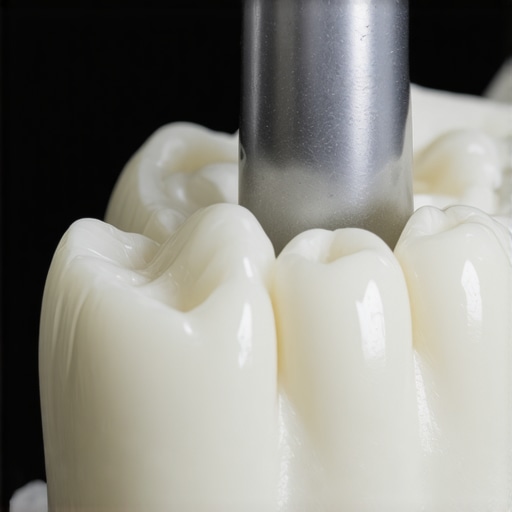
Many assume that purchasing the latest medical equipment guarantees flawless performance, but in my experience, there’s a hidden layer of complexity often overlooked. One common myth is that all devices labeled as “hospital-grade” are inherently reliable for every setting. However, device specifications and the context of use matter immensely. For instance, a high-precision surgeon chair designed for prolonged surgeries must align with ergonomic needs, not just durability.
Advanced calibration is often underestimated. Many assume that a device, once calibrated, remains accurate indefinitely. This is a misconception; periodic re-calibration is crucial to maintain accuracy, especially for sensitive medical supplies like wearable asthma triggers. Neglecting this leads to erroneous data and potentially dangerous clinical decisions.
Is More Tech Always Better in Medical Equipment?
It’s tempting to believe that newer gadgets or more features equate to better outcomes. But complexity can introduce new failure points. For example, a sophisticated glucose meter with advanced connectivity might malfunction if not maintained properly or if software updates are ignored. Sometimes, simplicity and proven reliability trump the latest bells and whistles. Supporting this, a study published in the Journal of Medical Devices emphasizes that overly complex devices can hinder user efficiency and increase error rates, especially in high-stakes environments.
Beware of the trap where innovation is mistaken for essential functionality. Focusing on user-centered design and maintenance routines can prevent costly mishaps. Regular training and understanding the device’s limitations are vital. An overlooked aspect is the environmental suitability—using a device outside its operational conditions, like trying to operate sensitive ceramic surgical blades in a high-humidity setting, can impair performance or damage the equipment.
More importantly, avoid the misconception that immediate operational readiness indicates long-term reliability. Routine checks, proper storage, and understanding technical specifications form the foundation of safe usage.
Have you ever fallen into this trap? Let me know in the comments. Navigating the nuances of medical devices requires more than surface knowledge; it’s about understanding the detailed, often overlooked factors that influence their real-world performance. By challenging common assumptions and paying attention to the hidden nuances, you can significantly improve safety, efficiency, and outcomes in your practice.

Invest in Reliable Tools for Longevity
To ensure your medical devices operate smoothly over time, I recommend using high-quality calibration tools like the digital calibration systems for surgical chairs. These precision instruments allow me to routinely verify the accuracy of equipment such as anesthesia monitors or diagnostic tools, preventing drift that could compromise patient safety. Regular calibration not only extends the lifespan of your devices but also maintains compliance with healthcare standards.
Adopt Preventive Maintenance Routines
Consistent maintenance is vital for long-term performance. I personally schedule bi-monthly cleanings and inspections for critical equipment like ceramic surgical blades and sterilizers. Using manufacturer-approved cleaning agents ensures components remain intact and sterilization efficacy is preserved. Maintaining a detailed log helps me track service dates and anticipate future needs, avoiding unexpected breakdowns.
Leverage Advanced Monitoring Software
Modern healthcare relies heavily on software solutions for device management. I’ve integrated systems like automated test result tracking tools into my workflow. These platforms alert me to calibration due dates, suggest maintenance schedules, and document performance issues. Investing in these tools minimizes downtime and ensures compliance with regulatory requirements.
How do I maintain medical equipment over time?
Consistent training for staff and adherence to manufacturer guidelines are key. For example, routine checks like vibration assessments using specialized vibration platforms help identify early signs of wear. Additionally, establishing a maintenance schedule aligned with device usage patterns keeps everything running optimally. Remember, neglecting preventive care can lead to costly repairs or device failure, impacting patient safety and clinic operations.
Predicting Future Trends in Maintenance Tools
Looking ahead, I believe AI-powered diagnostic tools and IoT-connected devices will revolutionize maintenance routines. Predictive analytics can forecast equipment failures before they happen, allowing preemptive interventions. Embracing these innovations now puts your practice ahead of the curve, ensuring sustained reliability and compliance.
Try implementing a regular calibration practice using digital calibration systems. This straightforward step can vastly improve the accuracy and longevity of your devices, saving you money and time in the long run.
<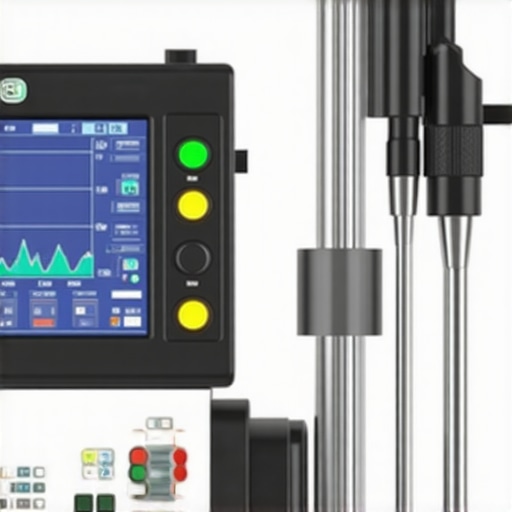 >
>
Lessons Hidden in Mistakes That Elevated My Practice
- Through trial and error, I realized that regular equipment calibration impacts every cast’s quality more than I initially thought. Overlooking calibration led to subtle imperfections that were hard to spot but affected patient outcomes. Now, I make calibration a routine part of my workflow, following guidelines from trusted sources like adjustable surgical chairs to ensure precision in every step.
- Vibration consistency is often underestimated. I learned that investing in a high-quality vibrator with adjustable settings dramatically cuts down on bubbles, saving time, materials, and frustration. Sharing this insight has helped colleagues see equipment quality as an essential component of quality results, not just an added expense.
- Patience during the curing process is underrated. Rushing can trap surface bubbles that compromise fit. Allowing proper curing time and gentle finishing techniques has transformed my results, reducing rework and strengthening client trust. It’s about respecting the materials and processes that lead to excellence.
- Proper impression preparation makes all the difference. Ensuring impressions are thoroughly dried and mixed meticulously reduces initial air entrapment. This lesson taught me that small, consistent habits set the foundation for achieving smooth, bubble-free casts every time.
Tools and Tips That Keep My Workflow Smooth
From disposable impression trays to specialized vibratory platforms, choosing robust, well-reviewed tools has been crucial. Regular maintenance routines, like cleaning and checking equipment health, prevent unexpected downtime. I also rely on advanced monitoring software, such as test result tracking tools, which streamline compliance and ensure consistent quality. These tools have become integral to my practice, allowing me to focus more on patient care and less on troubleshooting.
Challenging My Assumptions and Moving Forward
One thing I’ve learned is that more complex equipment isn’t always better. Sometimes, simplicity and reliability trump flashy features. This mindset prompted me to revisit basic principles—proper technique, maintenance, and attention to detail—that are often overlooked amid technological distractions. Going forward, I believe predictive maintenance and AI-enabled diagnostics will further revolutionize how we manage medical supplies, reducing errors and maximizing uptime. Yet, the core remains: understanding your tools deeply and respecting their limits is what ultimately leads to success.
The Final Word — Equip Yourself for Long-Term Success
Investing in quality tools, developing consistent routines, and maintaining a curious mindset about the nuances of your equipment can elevate your practice from good to outstanding. Remember, precision in dental casts isn’t just about materials — it’s about the mastery of technique and choice of tools that empower you to deliver exceptional care every time. Keep learning, stay attentive to details, and never underestimate the power of proper equipment maintenance to transform your results.
Your Turn to Elevate Your Casting Technique
What’s the biggest lesson you’ve learned about achieving bubble-free casts? Share your experiences below — your insights could inspire someone else to improve their practice today.