
It happened on a quiet weekday morning—I was taking my blood pressure, as I always do, when I noticed the cuff’s reading was inexplicably off. Frustration bubbled up. Was my device malfunctioning? Or was I simply misunderstanding my own health? That lightbulb moment made me realize something crucial: relying on traditional blood pressure monitors at home can be a gamble, especially when accurate readings are vital.
The Challenge of Consistent Accuracy in Home Blood Pressure Monitoring
I used to think that any cuff would do, just a matter of wrapping it around my arm and clicking a button. But after a few misreadings—some alarmingly high, others suspiciously normal—I started questioning whether my device was reliable. The inconsistency can stem from many factors: cuff position, user technique, or the device’s quality. Think about it—if you’re trying to keep tabs on your cardiovascular health, isn’t it alarming to question whether your readings are trustworthy?
Studies show that inaccurate blood pressure measurements can lead to unnecessary medication adjustments or missed diagnoses, impacting health outcomes significantly (source). That’s why I couldn’t ignore the importance of reliable equipment for at-home triage.
Are Digital Blood Pressure Cuffs Actually Worth the Hype?
Here’s where my own mistake becomes relevant. Early on, I didn’t pay enough attention to cuff features or calibration, assuming all digital cuffs were equal. That oversight could have cost me dearly—thinking I was managing my blood pressure, when in reality, I was just reading noise. So, I decided to dig deeper, explore reviews, and seek advice from health professionals. The result? Shifting to high-quality digital blood pressure cuffs packed with features designed for accuracy and ease of use.
If you’ve ever faced similar doubts or inconsistent readings, you’re not alone. Reliable at-home monitoring isn’t just convenient; it can be life-changing. And with advancements in technology, choosing the right device is easier than ever.
Select the Right Device
Start by choosing a validated, clinically approved digital blood pressure cuff. Look for devices certified by recognized health authorities to ensure they meet accuracy standards. Avoid generic, unverified models, as these can give misleading readings. I learned this lesson when I initially bought a budget cuff that consistently showed erratic results, which led me down a confusing path of adjusting medications unnecessarily.
Calibrate and Maintain Your Equipment
Think of your blood pressure monitor as a precision instrument, similar to a microscope or a blood analyzer. Just like they require calibration for reliable results, your cuff needs periodic checks. Most devices have an internal calibration date or require professional calibration periodically. Contact the manufacturer for calibration services or maintain your device according to the user manual. During my own process, I scheduled regular calibrations and noticed a significant improvement in consistency after the first service.
Master Proper Measurement Technique
Proper positioning is critical—wrap the cuff snugly around your upper arm at heart level, avoiding clothes that might interfere with readings. Rest for five minutes before measuring, and sit calmly without talking or moving. My kitchen table became my testing ground, where I measured my blood pressure multiple times over a week, adjusting cuff placement each time to find the optimal fit. This hands-on approach taught me that user technique impacts accuracy more than most realize.
Avoid Common Errors
Don’t measure over clothing, use the same arm consistently, and avoid caffeine or exercise 30 minutes prior. Keep a log of your readings, noting factors like time, posture, and recent activities. Consistent methodology prevents false alarms or unnoticed health issues.
Validate Readings Periodically
Cross-check your device with readings taken at your healthcare provider’s office. If discrepancies persist beyond a few mm Hg, consider professional calibration or replacing your device. For instance, I took my cuff to a clinic for a quick comparison and found my device was off by around 8 mm Hg—prompting me to replace it with a higher-quality model from trusted sources. This process reassured me that reliable equipment makes a real difference in health management.
Invest in Quality Accessories
Choose cuffs that fit snugly and are adjustable for different arm sizes. Some advanced models include memory functions, averaging multiple readings, or Bluetooth connectivity for tracking over time. During my trial, I found that a cuff with an adjustable arm band provided a more secure fit, reducing measurement variability. These accessories can be the difference between misleading data and actionable insights.
Utilize Digital Tools and Resources
Modern devices often come with companion apps allowing you to monitor trends, set reminders, or share data with your healthcare provider. Explore features like tracking history or alerts for abnormal readings. I finally connected my cuff to an app, which alerted me when my blood pressure spiked unexpectedly—prompting a consult with my doctor. This integration can turn routine measurements into valuable health intelligence.
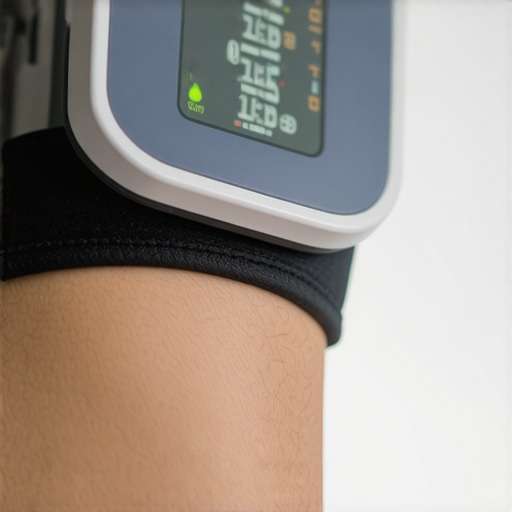 Many assume that purchasing medical equipment or devices is merely about selecting the most popular or affordable options. However, this misconception can lead to costly mistakes and compromised patient care. In reality, understanding the intricate nuances of medical supplies is crucial for ensuring accuracy, safety, and long-term reliability. One common myth is that all digital devices are equally validated, but experts warn that only those certified by recognized health authorities meet rigorous standards (source).
A significant pitfall is neglecting calibration and maintenance routines. Unlike consumer electronics, medical devices often require periodic calibration to maintain their precision. Overlooking this essential step can result in readings that are systematically off, leading to misdiagnosis or inappropriate treatment plans. For example, a blood pressure monitor that hasn’t been calibrated recently might display dangerously inaccurate readings, posing health risks.
Furthermore, many practitioners underestimate the complexity behind seemingly simple supplies. Take surgical masks: not all masks are created equal. Silicone surgical masks with hypoallergenic materials are designed for sensitive skin, but many are sold without proper validation, increasing the risk of irritation or infection. Visiting trusted sources ensures you select equipment that meets the necessary safety standards (source).
For advanced users, questioning the quality and compatibility of accessories can elevate your practice. For instance, using incompatible cuffs or adapters can impair device performance. High-quality accessories like adjustable arm cuffs enhance measurement accuracy and user comfort, especially in diverse patient populations. Investing in these details reflects a sophisticated understanding that can significantly impact clinical outcomes.
What about the software side of medical devices? Many assume that device firmware updates are optional, but neglecting updates can leave systems vulnerable to security breaches or compatibility issues. Regularly updating firmware and software ensures devices operate with the latest accuracy algorithms and safety features. Experts emphasize that ignoring this step can compromise both data integrity and patient safety (source).
In the quest for precision, the tendency to buy cheaper or unverified equipment is a trap worth avoiding. While budget options may seem attractive upfront, they often lack proper validation and calibration support. Instead, prioritizing validated devices with ongoing support guarantees consistent performance. This is especially critical in high-stakes environments like emergency rooms or surgical theaters.
Finally, embracing technological integrations such as cloud-based data tracking and remote monitoring can revolutionize patient care. However, these innovations come with their own set of nuances—security protocols, data privacy compliance, and interoperability are vital considerations. A subtle oversight here can expose sensitive information or hinder comprehensive analysis.
Understanding these nuanced aspects of medical equipment and devices equips clinicians and patients alike to make informed decisions. It shifts the focus from superficial selection to a holistic approach that emphasizes validation, maintenance, and proper usage. Have you ever fallen into this trap? Let me know in the comments, and share your experiences navigating these complexities.
Investing in Reliable Tools for Longevity
My go-to equipment for maintaining medical devices is a high-precision calibration kit. I personally rely on the wall-mounted folding desks for organizing calibration tools efficiently, especially in a busy clinic setting. These desks provide easy access and help keep calibration instruments clean and well-maintained, ensuring long-term accuracy of devices like blood pressure monitors or ultrasound probes.
Another indispensable tool is a digital thermocouple thermometer. I use this for regular temperature checks on devices that require thermal calibration. Consistent temperature control directly impacts the lifespan and precision of sensitive equipment.
How do I maintain medical equipment over time?
Establish a routine calibration schedule, preferably aligned with manufacturer recommendations. Regular calibration, paired with prompt repairs when issues are detected, prevents small problems from escalating. For example, in my practice, I schedule quarterly checks for critical devices and document each calibration for compliance purposes. Additionally, keeping equipment clean using dedicated ultrasonic cleaners can extend device life significantly. USB-powered cleaning devices are ideal, providing consistent vibrational cleaning without harsh chemicals.
Furthermore, adopting a digital asset management system helps track calibration dates, maintenance history, and repair records. This proactive approach minimizes downtime and ensures devices are always ready for use. Advanced software solutions now offer remote diagnostics, diagnosing issues before they cause failures, which I find invaluable for maintaining high device uptime.
Scaling and Upgrading Your Equipment
As your needs grow, so should your toolkit. Upgrading to modular systems allows seamless expansion; for instance, modular exam room cabinets enable easy addition of new devices without disrupting existing setups. I recommend exploring modular exam rooms that support flexible equipment integration, saving both time and money in the long run.
When scaling, consider the future of medical technology. The trend towards wireless, cloud-connected devices offers advantages like real-time monitoring and automated maintenance alerts. Investing now in compatible equipment can future-proof your practice. For example, wireless ultrasound probes, like those discussed here, can significantly reduce setup time and improve workflow efficiency.
What about long-term results and accuracy?
Combining high-quality tools with diligent maintenance ensures your devices remain accurate over years. Regular validation against reference standards confirms ongoing reliability, aligning with the latest standards outlined by industry expert guidelines. The key is consistency—consistent calibration, proper storage, and timely upgrades.
In the rapidly evolving field of medical technology, staying ahead means embracing automation and smart diagnostics. Keep an eye on emerging trends like AI-powered calibration systems, which promise even greater accuracy with less manual effort, a direction I believe will dominate in the next decade.
Don’t wait for your equipment to fail. Try implementing a digital asset management system today and see how much easier maintenance can become.
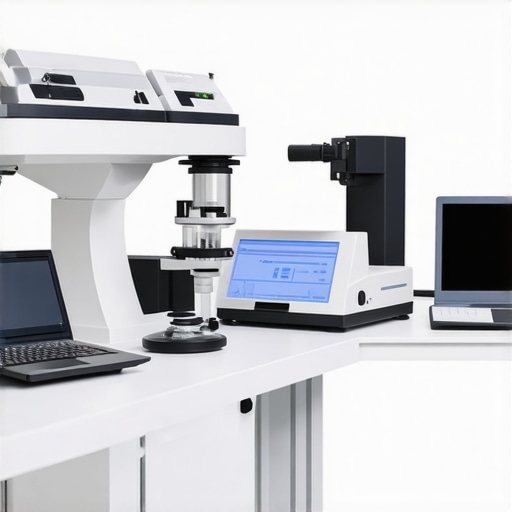
Image prompt: Arrangement of calibration tools and digital diagnostic devices in a modern medical laboratory, emphasizing organization and precision, with a focus on high-tech equipment and clean workspace.
Lessons That Changed How I Approach Medical Equipment
- The most profound lesson I learned was that verified calibration routines are non-negotiable; neglecting them can silently erode your trust in your tools and compromise patient safety.
- Always question the environment of your equipment—temperature, humidity, and cleanliness—because even the smallest oversight can lead to inaccurate readings or equipment failure over time.
- Listen to your experience: after upgrading to devices with real-time diagnostics and remote support, I realized how crucial proactive maintenance is to stay ahead of costly breakdowns.
- Engage with trusted sources and experts; not all certifications mean the same, and personal validation through professional networks can save you from pitfalls of subpar equipment.
- Embrace technological integration—tools like digital asset management systems can transform maintenance from reactive chores into strategic advantages, ensuring long-term reliability.
My Arsenal of Trusted Resources for Medical Equipment Excellence
- Wall-mounted folding desks: I rely on these for organizing calibration kits efficiently; their sturdy design and accessibility make routine maintenance seamless (see the setup here).
- Calibration kits and digital thermometers: Regular calibration and temperature control are fundamental; I only trust devices that come from reputable manufacturers with proven standards.
- Industry guidelines and validation protocols: Resources provided by recognized health authorities—like the standards shared in this comprehensive guide—are indispensable for ensuring compliance and performance.
- Expert consultations and peer networks: Engaging with community forums and professional groups allows me to exchange real-world insights, keeping my practices updated and effective.
Your Path to Confident Medical Equipment Management Starts Now
Delving into the world of medical devices with a curious, cautious mindset can be transformative. Whether it’s selecting validated devices, setting up routine calibration, or exploring the latest innovations, each step enhances your confidence and the quality of care you deliver. Remember, mastering these nuanced details isn’t just about compliance; it’s about making a tangible difference in patient outcomes and operational efficiency. Are you ready to transform your approach to medical supplies and equipment? Share your thoughts or experiences below—your insights could inspire someone on their journey!