
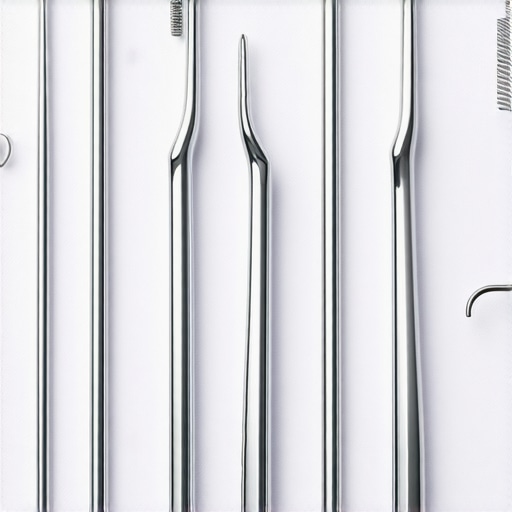
There was a moment in the operating room that made me realize I had been overlooking a crucial piece of surgical equipment—one that could make or break the success of a procedure. A tiny snag with an instrument, a misplaced retractor, and suddenly, what should have been a smooth operation turned into a frantic scramble. That lightbulb moment pushed me to re-examine the tools I was using, especially when it came to deep tissue surgeries.
The Challenge of Keeping Deep Tissue Exposed Without Compromising Safety
Deep tissue surgeries demand precision, control, and, most importantly, reliable retraction. I’ve learned firsthand how choosing the right fiber-optic retractors can significantly impact patient outcomes, surgeon ease, and even procedure time. The right retractors ensure minimal trauma to surrounding tissues, better visualization, and smoother workflow. But with so many options flooding the market, how do you select instruments that truly deliver?
Do You Know Which Retractors Are Actually Worth Your Investment?
Early in my career, I made a rookie mistake—assuming all retractors are created equal. I went for the cheapest options, thinking they’d suffice. Turns out, subpar materials and design flaws led to more tissue trauma and longer surgeries. I wish I had known then what I know now: investing in high-quality fiber-optic retractors pays dividends in patient safety and surgical efficiency. For a deeper dive into the latest surgical tools, check out the comprehensive analysis here.
Today, I want to share what I’ve learned about selecting the best 7 fiber-optic retractors for deep tissue procedures. Whether you’re an experienced surgeon or a surgical tech looking to enhance your toolset, understanding how to choose the right retractors is essential. By refining this aspect of your practice, you can reduce complications and improve outcomes.
In the upcoming sections, we’ll explore the key features to look for, how to evaluate different models, and the common pitfalls to avoid. Ready to elevate your surgical game? Let’s dive into the secrets of choosing the most effective fiber-optic retractors for deep tissue surgeries and make sure you’re never caught off guard again.
Assess Your Current Tools and Identify Gaps
Begin by reviewing your existing retraction instruments, focusing on their materials, design, and performance during recent surgeries. Recall a specific case where tissue trauma occurred due to equipment limitations—perhaps a retractor slipping or causing unintended force—highlighting the need for better tools. Make a checklist of features needed for optimal deep tissue retraction, such as durability, flexibility, and light transmission capabilities.
Define Key Features for Optimal Performance
Material Quality and Biocompatibility
Prioritize retractors made from high-grade, sterilizable materials like titanium or medical-grade stainless steel. These materials resist corrosion and provide longevity, similar to how rugged tools like ceramic bone drills reduce friction and heat during procedures. Avoid cheap plastics that may crack or degrade, leading to complications.
Design for Precision and Safety
Look for ergonomic handles and locking mechanisms that allow secure placement without excessive pressure. Think of this as the difference between a delicate surgical instrument and a heavy wrench—precision matters. During a past operation, switching to retractors with smoother locking mechanisms decreased tissue trauma and improved visualization. This small upgrade saved time and patient recovery lives.
Incorporate Advanced Light Transmission
Fiber-optic functionality is crucial for deep tissue procedures. Opt for retractors integrated with fiber-optic channels that deliver focused illumination, akin to how miniaturized IR scanners enable precise tissue monitoring. Ensure the light source is compatible with your existing surgical lighting systems for seamless integration.
Evaluate and Compare Models Critically
Gather product datasheets, request demonstrations, and seek peer reviews. Imagine selecting a new pair of surgical scissors; hands-on testing reveals nuances not apparent in brochures. During my evaluation, I tested several models, noting differences in handle ergonomics and fiber-optic clarity. Recording these observations facilitated an objective comparison, guiding me toward the best choice.
Ensure Proper Sterilization Compatibility
Confirm the selected retractors are compatible with your sterilization protocols, including autoclaving and chemical sterilants. This is essential as improper sterilization can compromise the material and pose infection risks. Collaborate with your sterilization team during the selection process to anticipate any challenges, similar to how portable bilirubin meters are chosen for their sterilization-friendly design.
Place a Pilot Order and Gather Feedback
Start with a small order of promising models, and incorporate them into scheduled surgeries. Collect feedback from surgeons about handle comfort, visibility, and tissue response. For example, after testing a set of high-grade fiber-optic retractors, I noted significant improvements in visualization and reduced procedure times. Adjustments based on real-world use are key before committing to bulk procurement.
Implement Ongoing Review and Training
Train surgical staff on the correct handling and maintenance of new retractors. Regularly review their performance, noting any wear or issues that arise during surgeries. Staying updated with innovations such as reusable face shields demonstrates commitment to safety and efficiency, principles also applicable to surgical tools. Continuous improvement ensures your equipment remains reliable and your outcomes optimal.
In the quest for optimal patient care, many healthcare professionals operate under a set of assumptions that can inadvertently hinder their effectiveness. One common misconception is that newer or more advanced-looking devices automatically translate to better outcomes. The reality, however, is far more nuanced. As an expert with years of clinical and technical experience, I can tell you that understanding these subtleties can significantly impact both safety and efficiency.
Myth Busting: The Fallacy of Innovation Equals Superiority
It’s tempting to believe that the latest medical devices or supplies are inherently superior—after all, they often come with marketing claims of enhanced precision or safety. But studies, such as the one published in Medical Devices: Evidence and Research, highlight that many cutting-edge devices require proper training and understanding to be effective. For instance, a state-of-the-art portable ultrasound probe isn’t beneficial if clinicians lack insight into its optimal settings or interpretive nuances. Relying solely on technological advancements without addressing user competency can be a costly mistake.
Beware the Traps of Overestimating Technology
One of the most overlooked pitfalls is the assumption that equipment is foolproof. Many practitioners overlook the importance of regular calibration and maintenance, which can compromise device accuracy over time. A study on blood pressure monitoring patches found that improper calibration could lead to significant measurement errors, potentially misguiding treatment decisions. Ensuring routine checks and understanding device limitations are essential practices often neglected in busy clinical settings.
The Hidden Complexity of Choosing Medical Supplies
When selecting medical supplies or devices, the focus tends to be on features and price. However, the real expertise lies in understanding compatibility, sterilization protocols, and environmental resilience. For example, biohazard waste compactors require more than just capacity—they mustMeet specific safety standards and integrate seamlessly with existing waste management systems. Overlooking these nuances can lead to regulatory violations or increased operational costs.
Are Your Equipment Choices Backed by Evidence or Assumptions?
Advanced users ask this question to avoid falling into the trap of anecdotal decisions. Reliable evaluation involves reviewing peer-reviewed studies, vendor certifications, and user feedback. For instance, choosing biohazard waste compactors based on independent reviews ensures compliance and longevity. Scrutinizing these aspects prevents costly errors and enhances patient and staff safety.
Ultimately, mastering the subtleties of medical equipment and supplies means recognizing that no device functions optimally without proper context, maintenance, and user education. By digging deeper into these nuances, you build a more resilient, safe, and effective healthcare environment. Have you ever fallen into this trap? Let me know in the comments or explore related insights like blood sample stability devices to broaden your understanding of critical equipment choices.

Keep It Running: Practical Tips for Medical Equipment Maintenance
Maintaining medical devices and supplies over time is crucial for ensuring patient safety, operational efficiency, and cost-effectiveness. From fiber-optic retractors to sophisticated large-scale machinery, each piece requires a tailored approach to upkeep. One of the key strategies I employ involves implementing routine calibration checks, especially for devices like portable blood pressure monitors, which are susceptible to drift over time. Regularly scheduled maintenance not only prolongs equipment lifespan but also ensures consistent accuracy—a non-negotiable in medical settings.
For high-precision instruments, I rely on manufacturers’ recommended service intervals and keep detailed logs. This practice helps identify patterns that could indicate early signs of wear or malfunction. Additionally, employing specialized cleaning protocols—such as using enzymatic cleaners for delicate fiber-optic components—helps preserve device integrity and prevents cross-contamination. Integrating maintenance schedules into your hospital’s electronic health record system can streamline this process and prompt timely actions.
Another aspect I prioritize is investing in quality tools and software that facilitate diagnostics and predictive maintenance. For example, digital sensors integrated into medical refrigeration units can alert staff to temperature fluctuations that might compromise supplies like blood products or vaccines. Predictive analytics, supported by advanced software, can forecast potential failures before they happen, saving time and reducing downtime.
What about scaling your maintenance program as your facility grows?
As healthcare organizations expand, managing maintenance across multiple locations becomes increasingly complex. I recommend adopting a centralized asset management system that tracks device history, service schedules, and warranty information. This approach allows for coordinated maintenance efforts, inventory control, and long-term planning. Additionally, training staff on proper handling and routine inspections is vital—many failures originate from user error or neglect.
Looking ahead, the trend is moving toward smarter, self-diagnosing equipment equipped with embedded sensors and connectivity features. Technologies like RFID tags, as discussed in lab sample tracking systems, exemplify how real-time data can revolutionize maintenance workflows. Implementing such integrations today prepares your practice for a future where maintenance is predictive and nearly autonomous.
If you’re seeking a concrete tip to enhance your maintenance routine, I highly suggest starting with regular calibration checks using digital verification tools. This step is simple yet impactful, ensuring ongoing accuracy and reliability. Don’t wait for a failure—proactively keeping your equipment in top shape guarantees optimal performance and patient safety. How do you currently handle maintenance, and where do you see room for improvement?
Remember, staying ahead in maintenance not only safeguards your investments but directly impacts the quality of care you provide. Make maintenance a priority—your patients and staff will thank you.

Imagine equipping your team with a reliable, predictive maintenance system—it’s a game-changer. Technologies like embedded sensors and connected diagnostics are shaping the future of healthcare equipment management, allowing institutions to foresee issues before they arise. For example, predictive analytics in blood sample refrigerations can anticipate compressor failures, ensuring sample integrity at all times. Embracing these advancements today will position your practice at the forefront of medical equipment management.
Throughout my career, I’ve come to realize that even the smallest oversight in surgical instrumentation can have profound impacts on patient safety and outcomes. Real-world experience has taught me lessons that go beyond textbooks, especially when it comes to selecting and maintaining the right fiber-optic retractors for deep tissue procedures. These insights, cultivated through hands-on practice and reflection, aim to help fellow professionals avoid pitfalls and elevate their surgical practices.
Lessons that Changed My Approach to Surgical Equipment
- Never Assume All Tools Are Equal: Early in my journey, I believed that any retractor would do as long as it held tissues back. I learned the hard way that inferior materials and poor design can cause tissue trauma and prolong surgeries. Investing in high-quality fiber-optic retractors with durable, biocompatible materials like titanium has been transformative, reducing complications and enhancing visualization.
- Prioritize Ergonomics and Light Integration: Simple handle design and effective fiber-optic integration speed up procedures and improve safety margins. A smooth locking mechanism and ergonomic grip have made a noticeable difference during lengthy operations, minimizing hand fatigue and maximizing precision.
- Focus on Proper Sterilization Compatibility: Not all fiber-optic retractors withstand autoclaving or chemical sterilants equally. Ensuring your tools meet sterilization protocols prevents infections and maintains functionality over time. Regular validation of sterilization procedures for your instruments is a small step with significant benefits.
- Regular Maintenance is Non-Negotiable: Routine checks for fiber-optic clarity, mechanical integrity, and cleanliness are crucial. Using specialized cleaning protocols preserves the delicate fiber channels and prolongs instrument lifespan, saving costs and avoiding intraoperative surprises.
- Continual Learning and Peer Feedback: Sharing experiences with colleagues and reviewing the latest options keeps your practice at the cutting edge. Participating in professional forums or reading from trusted sources like reusable face shields and other updated tools informs better choices.
Tools and Resources That Elevate My Practice
- Comprehensive Product Guides: Manufacturers’ datasheets and peer-reviewed reviews. They provide detailed insights beyond marketing hype, allowing you to evaluate durability, fiber-optic quality, and ergonomic features.
- Peer Networks and Forums: Engaging with surgeons and tech specialists helps in understanding real-world performance and troubleshooting common issues. Platforms like professional surgical societies facilitate this exchange.
- Training Modules and Workshops: Hands-on sessions for the latest fiber-optic technology, emphasizing handling, sterilization, and maintenance. Continuous education ensures you’re leveraging the full potential of your tools.
- Maintenance Protocol Checklists: Customized routines for cleaning, calibration, and inspection. Regular adherence prevents unexpected failures and maintains optimal visualization during procedures.
Seize the Moment: Elevate Your Surgical Game Today
Optimizing your deep tissue surgery toolkit isn’t just about choosing the most expensive instruments—it’s about understanding what truly enhances safety, efficiency, and patient outcomes. By applying personal lessons learned and leveraging trusted resources, you can make informed decisions that stand the test of time. Remember, every improvement in your tools and practices contributes to the bigger goal of providing exceptional care in challenging surgical environments.
What has been your biggest challenge in selecting or maintaining effective fibers for deep tissue procedures? Share your experiences below and let’s learn together!