
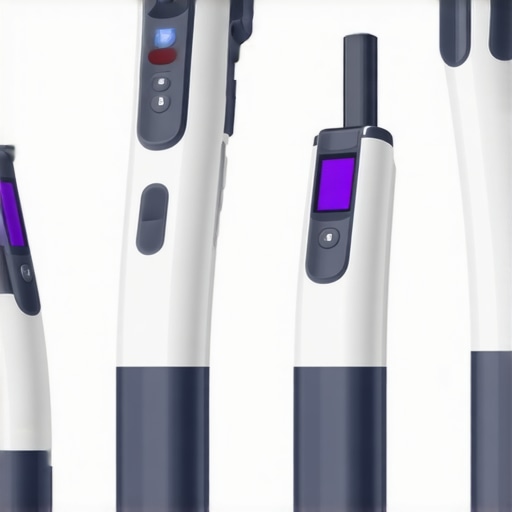
It happened during a frantic night shift when I failed to locate a vein in a severely dehydrated patient. I remember the feeling of helplessness—my eyes darted across the dim-lit room, hands trembling, knowing that every second counted. That moment was a wake-up call. I realized how traditional vein detection methods often fall short, especially in challenging cases, leading to unnecessary discomfort and delays. Thankfully, that experience sparked my curiosity about new tools that could turn the tide.
Why Precision Matters in Dehydrated Patient Care
Dehydration makes veins harder to find—thinner, collapsed, or just hidden beneath layers of skin and tissue. For clinicians like us, this isn’t just about convenience; it’s about patient comfort, efficiency, and even safety. Misplacing a needle can cause pain, trauma, or infection and prolong hospital stays. This is where handheld vein scanners come into play, offering real-time visual guidance that significantly reduces guesswork. But with so many options on the market, how do we know which device truly makes a difference? Well, that’s what we’re here to explore. Are you constantly battling with unseen veins in your patients? If so, you know this challenge all too well.
Will These Devices Really Make a Difference?
Early in my career, I bought into the hype without doing enough homework. My biggest mistake? Assuming that all vein finders are created equal. I overlooked the importance of device quality, user feedback, and integration features. Since then, I’ve learned that the right handheld vein scanner can cut procedure times, improve patient outcomes, and even boost staff morale. Curious about how these devices stack up? For a detailed review of the latest innovations, check out our comprehensive coverage on medical device insights. Before diving into options, ask yourself—have you faced the frustration of multiple sticks with a dehydrated patient? If yes, you’re not alone, and there’s a promising path forward.
Prepare Your Equipment with Precision
Before heading into the procedure, ensure your handheld vein scanner is fully functional and calibrated according to the manufacturer’s instructions. Familiarize yourself with the device’s interface, buttons, and display. I once accidentally used an uncharged device during a critical morning shift, leading to delays; verifying readiness prevents such setbacks. Consistent maintenance and checking device calibration, possibly through built-in self-tests, are vital to maintain accuracy.
Position the Patient Properly for Better Visibility
Align the patient’s arm at heart level, supported comfortably on a surface. Use a tourniquet if appropriate to engorge superficial veins, but avoid excessive tightness that could compromise circulation. In a recent case, improperly positioning a dehydrated patient resulted in a collapsed vein, making detection harder. Clear, well-lit conditions are essential; consider using additional light sources if the ambient lighting is poor, similar to how surgical lights are adjusted for optimal visibility.
Use the Scanner with Technique and Confidence
Hold the device steadily against the skin, moving slowly to scan the area systematically. Think of it as tuning a musical instrument—gentle, deliberate movements yield the best results. In practice, I started with the antecubital fossa, scanning in small circular motions, gradually expanding outward. If the device offers visual or audio cues, interpret them carefully, and avoid rushing. Consistency in scanning technique reduces false negatives and increases first-stick success rate.
Interpreting the Scan Results Effectively
Pay attention to the device’s real-time imaging or indicator signals. Arteries and veins can sometimes appear similar; understanding the device’s imaging features—such as pulse detection or vein morphology—guides accurate needle placement. During a hectic emergency, I misread a scan and chose an unsuitable site, leading to multiple attempts. Recognizing artifacts or false signals requires practice; reviewing device manual illustrations can enhance your understanding.
Validate and Adjust Your Approach
After initial puncture, confirm blood return before advancing the catheter. If the vein appears collapsed or hard to access, reposition the limb slightly or re-scan to find a more prominent vein. Remember, dehydration can cause veins to shrink or flatten, much like how thin wires are harder to trace. Incorporate feedback from repeated attempts to refine your technique for each patient—practice makes perfect. To stay updated on innovations, explore reviews on devices like high-tension sutures or electrolyte analyzers.
Practice Makes Perfect
In my experience, early sessions involved messy attempts—scans without confidence, multiple sticks, and patient discomfort. Over time, consistent practice with the scanner in various scenarios enhanced my proficiency. Regular training sessions, reviewing device tutorials, and seeking feedback from colleagues accelerate learning. Remember, the goal is to make each procedure smoother and more successful, especially in the most challenging cases where traditional methods struggle.
Many healthcare professionals believe that simply choosing the latest or most popular medical devices guarantees optimal patient outcomes, but this assumption can be misleading. One common misconception is that all equipment labeled as “advanced” or “state-of-the-art” performs equally well across different clinical settings. In reality, nuances such as device calibration, maintenance routines, and real-world usability significantly impact effectiveness. For example, a widely marketed portable autoclave might boast impressive sterilization parameters, yet if it isn’t regularly validated with proper testing, it risks inadequate sterilization, compromising patient safety. Studies indicate that equipment maintenance often falls behind due to budget constraints or lack of staff training, leading to increased failure rates and safety concerns.” 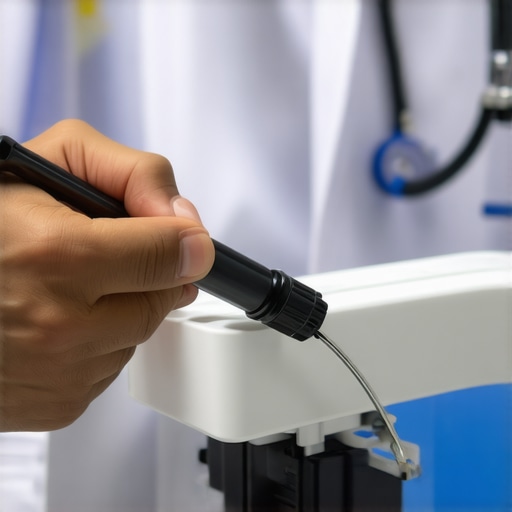
Why do we tend to overvalue technology at the expense of fundamentals?
It’s human nature to be attracted to newer, shinier tools, but experts emphasize that understanding the true performance and limitations of devices is crucial. For example, a report from the Institute of Medicine highlights that nearly 20% of medical equipment failures are due to improper calibration or misuse rather than inherent device flaws. Relying solely on manufacturer specifications without independent validation can be a trap, potentially leading to misdiagnoses or ineffective treatments. Therefore, establishing rigorous validation protocols and staff training becomes essential to ensure equipment reliability and safety.
What about the hidden risks lurking in seemingly trustworthy devices?
One often-overlooked aspect is the compatibility of medical supplies with existing systems. Using incompatible high-tension surgical sutures or outdated lab hoods may cause workflow disruptions or safety hazards. For instance, integrating smart lab refrigerators with outdated tracking systems can lead to expired reagent use, compromising experimental integrity. As technology advances, the importance of systems compatibility and thorough staff onboarding increases, preventing costly errors. To stay ahead, institutions should continuously review and update their equipment inventories, ensuring they meet current standards and seamlessly integrate with other tools. Explore reviews of upcoming innovations like smart lab refrigerators with integrated shelf-life tracking for insights.
In my experience, a well-maintained and properly validated device often outperforms the latest gadget lacking proper oversight. Remember, technology is only as good as the human processes supporting it. Have you ever fallen into this trap? Let me know in the comments.
Prioritize Regular Maintenance with the Right Tools
Ensuring your medical devices operate flawlessly over time requires more than just routine checks; it demands precision tools tailored to each piece of equipment. Personally, I rely on manufacturer-specific calibration kits for devices like ultrasound scanners and blood analyzers, as these kits guarantee accurate readings and reduce drift over time. For example, maintaining handheld electrolyte analyzers with dedicated calibration solutions from the same manufacturer ensures dependable results during critical trauma assessments. Additionally, investing in quality cleaning systems such as the eco-friendly sterilizers can streamline sterilization cycles, save energy, and prolong device lifespan, preventing costly replacements.
Automate Monitoring to Catch Issues Early
Passive maintenance often overlooks subtle signs of wear that can lead to device failure. Incorporating systems like wireless diagnostics or IoT-enabled sensors helps track device performance in real-time. I personally recommend using wireless sensors that monitor parameters such as temperature, humidity, and operational logs. These tools send alerts at the first sign of deviation, allowing prompt intervention and reducing downtime. As technology evolves, predictive maintenance will become standard, reducing emergency repairs and ensuring uninterrupted patient care.
Long-Term Results Through Consistent Care and Innovation
Long-term success with medical equipment hinges on consistent upkeep and embracing new innovations. For instance, transitioning to smart refrigerators that automatically track shelf life and alert staff before reagents expire minimizes waste and maintains experiment integrity. Similarly, adopting maintenance protocols aligned with device manufacturers’ AI-driven diagnostics can extend operational lifespan significantly. Prediction suggests that in future, AI and automation will integrate seamlessly into maintenance routines, minimizing human error and maximizing device uptime, which is crucial for high-stakes environments like ORs and ICUs.
How do I maintain Medical Devices to ensure reliability?
Start by establishing a routine calibration schedule using certified calibration standards tailored to each device. Document each maintenance activity meticulously to identify recurring issues and adjust procedures accordingly. Regularly update device firmware and software from manufacturers, as these updates often include vital security patches and performance enhancements. Additionally, allocate resources for staff training on the proper handling and cleaning of equipment—this reduces misuse and physical wear. Consider investing in specialized tools like radiation-resistant suits and advanced sterilization systems to protect and preserve your investments. Consistent proactive maintenance not only guarantees accuracy but also prolongs device life, ultimately safeguarding patient outcomes. Try integrating wireless diagnostic monitors today to catch issues early and streamline your maintenance routine.
Lessons Only Experience Can Teach
- One of my toughest lessons was realizing that no device, no matter how advanced, replaces the value of hands-on familiarity. Relying solely on technology without comprehensive training can lead to overconfidence and mistakes.
- Understanding the patient’s unique anatomy and hydration status is crucial—technology can guide us, but we must interpret its signals accurately within context.
- Investing in quality equipment is just the first step; consistent calibration and maintenance are vital to keep these tools reliable during critical moments.
- Sometimes, the simplest adjustments—like patient positioning or lighting—can dramatically improve success rates, serving as a reminder that fundamentals should never be overlooked.
- Embracing continuous learning and sharing our experiences with colleagues accelerates collective expertise, ultimately benefiting patient care.
Tools That Transformed My Practice
For those seeking to enhance vein detection in dehydrated patients, I recommend exploring recent innovations like handheld vein scanners, which have become a cornerstone in my practice. Reviews on surgical sutures and handheld analyzers have also provided invaluable insights into complementary devices that boost overall procedural success. Supplements like durable, well-maintained equipment, and smart calibration tools from trusted sources have saved minutes—and many patient attempts—by ensuring accuracy and reliability, especially under pressure.
Your Next Step Starts Now
Remember, mastering precision in challenging vein access isn’t just about owning the latest technology; it’s about integrating knowledge, practice, and care into every procedure. Challenge yourself today to refine your technique, stay updated with new tools, and share your insights with peers. Your commitment can significantly improve patient experiences and outcomes. How will you leverage technology and fundamentals to improve vein access for dehydrated patients? Share your thoughts below.
,