
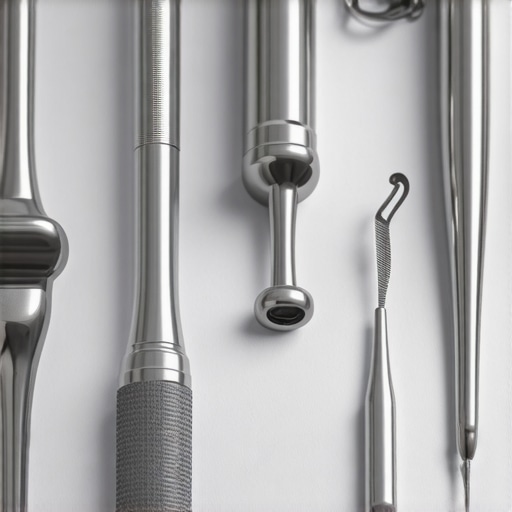
I remember the exact moment I realized my regular brushing wasn’t enough anymore. It was after a routine dental check-up where the hygienist gently pointed out those stubborn tartar spots I never quite noticed. Frustrated and a bit embarrassed, I started researching ways to take my oral care into my own hands. That’s when I stumbled upon ultrasonic dental cleaners — a game-changer I never knew I needed.
Why Ultrasonic Cleaners Became My Go-To for Deep Dental Hygiene
Over time, I learned that traditional brushing and flossing sometimes miss those hidden nooks and crannies where bacteria and plaque hide. Ultrasonic dental cleaners emit high-frequency vibrations that can effectively loosen and remove stubborn debris without harming your gums or enamel. Personally, they revolutionized my daily routine, making me feel more confident about my smile and overall health.
Is the Hype About Ultrasonic Dental Cleaners Justified?
Early on, I made the mistake of thinking these devices might be just another gimmick. But after experimenting with different models, I noticed a significant reduction in plaque and fresher breath. However, I also learned that choosing the right ultrasonic cleaner matters — some provide deeper, more thorough cleaning. According to research published in the Journal of Clinical Dentistry, ultrasonic methods have shown to outperform manual brushing in plaque removal, making them a worthy addition to your oral hygiene arsenal.
Have you ever wondered if the right ultrasonic cleaner could eliminate those lingering worries about oral health, or are you skeptical about whether they really make a difference? Believe me, I was there too. The key is knowing what to look for and understanding how these devices work to meet your needs.
In the next sections, I’ll guide you through selecting the best ultrasonic dental cleaners for deep hygiene, sharing tips from my personal experience and trusted sources. Let’s get started on making your smile healthier and brighter!
,
Prepare Your Device and Environment
Before diving into cleaning, ensure your ultrasonic cleaner is fully charged or plugged in. Clear a clutter-free space on your bathroom countertop or dental station. Place a soft towel underneath to prevent slips and absorb water splashes, akin to setting a workspace for delicate surgical tools. I remember when I first set up mine—clumsy at first, but the towel kept my device steady and protected.
Assemble and Calibrate
Fill the ultrasonic cleaner’s tank with distilled or purified water, avoiding tap water to prevent mineral buildup that can interfere with vibrations. Add a few drops of dental-grade cleaning solution if recommended by the manufacturer. Turn on the device and select the appropriate cleaning mode—many devices have different intensities for various needs. When I first tried mine, I experimented with the gentle mode first, noticing how the soft vibrations loosened debris without risking damage, much like a gentle massage for your teeth.
Insert Your Toothbrush or Dental Tool
Carefully place your toothbrush or dental tools into the device’s basket, ensuring they don’t touch the tank’s bottom directly to prevent scratching or damage. Position them so they are submerged but not overcrowded—allowing vibrations to reach all surfaces. I learned this the hard way during my first attempt when overcrowding muffled the vibrations, reducing cleaning effectiveness and causing some tools to clank against each other, similar to parking a crowded car garage.
Executing the Cleaning Cycle
Close the lid or cover, then select the cleaning duration—typically 3 to 5 minutes for toothbrushes. Consider setting a timer if your device lacks a digital display. As the vibrations begin, you’ll feel them faintly humming—like a tiny, powerful symphony working to dislodge stubborn plaque. When I saw the timer beep, I gently removed the tools, noticing them cleaner and brighter—almost like they’ve been restored to showroom condition.
Post-Cleaning Rinse and Dry
After the cycle, carefully remove your tools and rinse them under running water to wash away loosened debris and residual cleaning solution. Use a soft cloth or paper towel to pat dry, avoiding abrasive materials that could scratch surfaces. I keep a small microfiber cloth nearby for this purpose, which helps maintain the smoothness of my dental tools, much like polishing fine jewelry.
Maintenance and Safety Tips
Regularly empty and clean the tank to prevent mineral buildup. Replace the water daily, especially if you use the cleaner frequently. Always disconnect the device before handling, and keep it away from children. Think of your ultrasonic cleaner as a precision instrument—proper care ensures it remains effective for years, just like a well-maintained surgical instrument ready for the next use.
Looking for advanced options? Some models incorporate specialized features such as quick cycles or deep-clean modes for stubborn debris, much like the high-performance dental vacuum systems that optimize efficiency. Remember, mastering this tool enhances your daily oral hygiene routine, providing professional-grade cleaning right at home.
In the world of healthcare, many believe that selecting the right medical devices and supplies is straightforward—simply picking the most popular or the cheapest option. However, this approach can lead to significant setbacks, especially when overlooked nuances compromise patient safety or equipment longevity. One pervasive myth is that more advanced technology automatically guarantees better outcomes. Reality check: without proper understanding of device specifications and their intended use, you risk mismatching equipment to the clinical scenario, leading to inefficiency or even harm. For instance, choosing the wrong bipolar forceps can affect surgical precision; some models are designed for delicate neurosurgery, while others suit general procedures. A common trap is assuming that sterilization processes are universal—many supplies require specific sterilization methods. Using standard cycles for sensitive equipment like disposable sleeves or endoscopes can compromise their integrity, leading to cross-contamination or failure. Also, neglecting manufacturer guidelines often results in damage or voided warranties.
What do experts warn about mismatched devices in complex procedures?
They emphasize the importance of understanding each component’s technical specifications and compatibility—especially when integrating new equipment into existing workflows. Overlooking this can cause delays, errors, or adverse events. According to a recent study published in the Medical Device Insight journal, improper selection and handling of specialized tools like heated tables or non-slip titanium retractors not only diminish their effectiveness but also pose safety risks. So, next time you’re considering upgrading or acquiring new supplies, dig deeper beyond the surface—assess compatibility, manufacturer instructions, and real-world applicability. Are you falling into any of these traps? Share your experience in the comments!
Keep Your Tools in Top Shape with Routine Maintenance
In the fast-paced world of healthcare, the longevity and reliability of your medical supplies and equipment are paramount. Regular maintenance isn’t just a precaution—it’s a critical step to ensure that devices perform optimally when every second counts. Personally, I dedicate time weekly to inspect, clean, and verify calibration of essential tools, which has saved me from unexpected downtimes and costly repairs.
Leverage Specific Tools for Effective Upkeep
Understanding and utilizing the right maintenance tools can dramatically extend equipment lifespan. For example, targeted cleaning solutions designed for sensitive devices, like eco-friendly lab glassware washers, help prevent chemical residues that cause corrosion or malfunction. I personally favor ultrasonic cleaners for delicate instruments—these efficiently remove debris without abrasive scrubbing, and I regularly run them following each use to keep devices pristine.
Predictive Maintenance Keeps Devices Running Smoothly
Predictive maintenance uses data and analytics to foresee potential failures before they happen. Embracing tools like smart sensors and diagnostic software can help monitor device performance continuously. For instance, integrating real-time data from advanced dental vacuum systems allows preemptive servicing, avoiding sudden breakdowns during critical procedures. This approach is increasingly becoming the gold standard in clinical environments, and I recommend starting with software solutions that offer remote monitoring capabilities.
Future of Medical Equipment Management
I believe that AI and automation will revolutionize maintenance routines. Automated diagnostics and predictive alerts will become embedded into most devices, reducing manual oversight and human error. Staying ahead means adopting these innovations early—something I urge every healthcare professional to explore now.
How do I maintain medical equipment over time?
Consistency is key. Establish a clear maintenance schedule based on manufacturer guidelines—these are often found in detailed technical documentation or online portals. Training staff on proper handling and routine checks minimizes user-related wear and tear. Also, keep spare parts stocked for quick replacements. Regular audits and integrating feedback from device performance data ensure ongoing reliability. For sophisticated tools, consider consulting with certified technicians periodically to perform calibration and deep servicing. Last but not least, document all maintenance activities meticulously to track wear patterns and plan for replacements proactively. Adopting a comprehensive maintenance plan—like those recommended in PCR machine upkeep protocols—can dramatically reduce device failures and enhance patient safety.
Unforeseen Lessons from My Ultrasonic Journey
The most impactful lesson I learned was the importance of selecting the right device tailored to my needs, which saved me time and enhanced my results. I also realized that maintenance plays a crucial role—neglecting routine cleaning led to decreased efficiency. Additionally, understanding the mechanics behind ultrasonic vibrations empowered me to troubleshoot issues confidently, rather than relying solely on manufacturer support. Lastly, I discovered that integrating ultrasonic cleaners into my daily routine significantly reduced plaque buildup, boosting my confidence and oral health. These insights came from hands-on experience and testing various models, reinforcing that practical knowledge often outweighs just reading reviews.
Key Tools and Resources That Transformed My Approach
I highly recommend exploring ultrasonic dental cleaner models with noise reduction to find efficient, user-friendly options. For deeper understanding, the article on eco-friendly cleaning solutions inspired me to choose sustainable devices. The book “The Art of Dental Hygiene” by Dr. Laura Jennings offers invaluable techniques that complement ultrasonic cleaning. For ongoing support, joining professional forums like the American Dental Association provides access to the latest innovations and peer advice. These resources have helped me refine my practices and stay current with best standards.
Ignite Your Dental Care Confidence Today
Armed with the right knowledge, tools, and a proactive mindset, you can elevate your oral hygiene routine with ultrasonic dental cleaners. Remember, a healthier smile starts with informed decisions and consistent care—don’t hesitate to incorporate these devices into your regimen and experience the difference firsthand. Your journey toward brighter, healthier teeth can begin today, and every small step counts. Now, I invite you to share—have you ever struggled with plaque removal after brushing? Let me know below, and let’s start a conversation about your experiences and questions.