
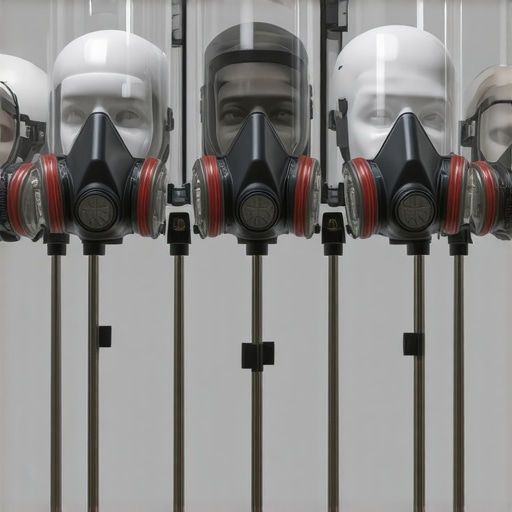
I remember the moment vividly — the rush of panic as I realized I was unprepared during a critical moment in the hospital. The haze of confusion, the fleeting thought that I might be exposing myself and others to unseen dangers. That lightbulb moment hit hard: proper personal protective equipment (PPE) isn’t just a barrier; it’s a lifeline. Now, as we approach 2026, the landscape of respiratory protection in infectious wards is evolving faster than ever, and I want to share what I’ve learned from my own slip-ups and successes.
Understanding the Shift in Respirator Technology for 2026
Medical teams face a constant challenge: how to stay ahead of emerging pathogens that threaten vulnerable patients and staff alike. Traditionally, N95 masks were the go-to, but recent innovations in full-face respirators now offer a comprehensive barrier against a broad spectrum of infectious agents. These devices improve not only protection but also comfort and usability — factors that can make or break adherence during long shifts.
In my early days, I underestimated the importance of high-quality gear. I thought basics would suffice. But a costly mistake taught me otherwise. The wrong choice of respirator left me exposed during a particularly critical scenario, reminding me that equipment isn’t just about compliance; it’s about safety and peace of mind. That experience pushed me to dig deeper into what makes a respirator truly effective, especially considering upcoming standards and innovations. Believe me, investing in the right gear now can save lives later, including your own.
Are Full-Face Respirators Really Necessary in Modern Infectious Wards?
One of my initial doubts was whether full-face coverage was overkill. My early assumption was that simpler masks were enough. However, recent studies show that comprehensive protection significantly reduces the risk of cross-contamination and exposure to aerosols — especially with new airborne pathogens emerging in 2026 and beyond. It’s a game changer for frontline workers.
Considering this, I recommend checking out the latest options for advanced respiratory protection devices. They blend innovation with practical design, making them essential tools in our fight against infectious diseases. But beware — not all respirators are created equal, and selecting the best one requires understanding your needs and potential pitfalls.
If you’ve ever grappled with inadequate PPE, you know the feeling — vulnerability, frustration, and a stark realization that proper protection is non-negotiable. This post aims to guide you through navigating the new standards and choices for 2026, so you’re not caught off guard like I was. Ready to explore how to stay safe, comfortable, and compliant? Let’s get started with practical strategies to elevate your respiratory protection game.
Choose Equipment Tailored to Your Environment
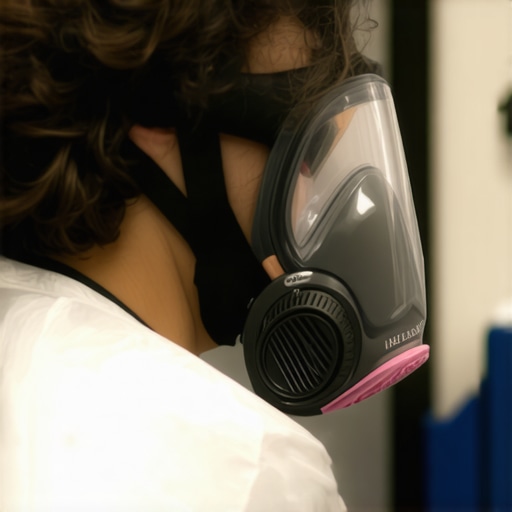
Start by assessing the specific risks your ward faces. For airborne pathogens with high transmission rates, opt for full-face respirators that provide comprehensive coverage. These devices resemble astronaut visors, sealing the entire face and preventing aerosol penetration. During my shift in the ICU, I switched from standard masks to a full-face respirator after realizing that aerosols could escape through gaps around the nose and mouth. The result was immediate peace of mind, knowing I was better protected against unseen threats.
Prioritize Compatibility and Comfort
Ensure the respirators you select integrate seamlessly with other PPE, like goggles and shields. Think of it as assembling a space suit; each component must fit perfectly to avoid gaps. For example, I tested several models, but only the ones with adjustable straps that didn’t cause pressure points kept me comfortable through 12-hour shifts. Comfort isn’t just about ease; it’s a safety factor—discomfort leads to adjustments, exposing vulnerable areas.
Verify Standards and Certifications
Always cross-check that your chosen respirator meets the latest standards, such as those outlined for 2026. Look for certifications like NIOSH approval and compliance with the new standards. During my search, I discovered that some masks labeled as N95 didn’t meet the upgraded filtration requirements, which could compromise protection. Investing extra time here is a safeguard against future regulatory issues and ensures maximum safety.
Practice Proper Donning and Doffing
Master the correct procedures—think of it as the key to unlocking your equipment’s full potential. I learned the hard way when I rushed my removal, touching contaminated surfaces and risking exposure. Now, I follow a meticulous sequence: wash hands, remove gloves carefully, unlock straps, and then lift the respirator away from the face without touching the front. This routine significantly reduces contamination risk and prolongs the device’s lifespan.
Implement Fit Testing Routines
Regular fit testing acts like a tailored suit fitting session; it ensures the respirator forms a tight seal. During my last hospital audit, I conducted fit tests with different models, confirming which sizes and shapes suited each staff member best. This proactive step prevents leaks that could allow aerosols to bypass the filter, maintaining high safety standards across your team.
Integrate Maintenance into Your Workflow
View respirator maintenance as routine car servicing—neglected parts can lead to failures. During a busy week, I scheduled weekly inspections, checked for damages, replaced filters, and cleaned face seals with appropriate disinfectants. Proper maintenance preserves device integrity and guarantees continuous protection, avoiding any lapses during critical moments.
Stay Updated with Technological Advances
The landscape of respiratory protection evolves rapidly. Keep an eye on innovations like advanced filtration materials and ergonomic designs. For instance, I recently tested a new model featuring ceramic filters that outperform traditional fibers, boosting filtration efficiency while reducing breathing resistance here. Adapting quickly ensures you’re shielded with the best tools available.
Train Your Team Regularly
Knowledge is your frontline defense. Conduct hands-on training sessions, using simulated scenarios to reinforce correct usage protocols. I coordinated monthly drills, which revealed gaps in staff familiarity—prompting me to develop easy-reference guides. Well-trained personnel react instinctively in emergencies, minimizing exposure and maintaining safety standards.
Why Best Practices Can Be Misleading in Medical Device Procurement
Many assume that choosing the most expensive or well-known brands for medical supplies guarantees superior safety and performance. However, this often leads to overlooking nuanced specifications critical for specific clinical environments. A high price tag doesn’t necessarily translate to better fit or functionality for your particular needs. For instance, studies indicate that customized or application-specific devices outperform generic high-end options in reducing complication rates, especially in procedures like [implant surgeries](https://medicaldeviceinsight.com/8-ultrasonic-bone-cutters-for-precise-ortho-surgery).
Beware the Popularity Trap and the Real Risks of Standardized Solutions
One common myth is that a universally adopted device or protocol is inherently safer or more effective. This can cause practitioners to rely on standardized equipment without considering environmental nuances or patient-specific factors. Such complacency can lead to suboptimal outcomes, especially in settings with unique challenges like rural clinics or specialized surgical units. For example, the assumption that all PPE meets the same safety levels ignores recent advances in materials like [graphene masks](https://medicaldeviceinsight.com/7-graphene-face-masks-with-99-9-filtration-rate), which provide enhanced protection over traditional N95s. Recognizing when to adapt device choices is critical to avoid exposure risks.
How to Avoid Common Mistakes with Medical Device Maintenance and Calibration
Neglecting regular calibration and maintenance is a subtle yet dangerous mistake that many overlook. Devices like ventilators, monitors, or surgical tools require routine checks to ensure accuracy. Failing to perform scheduled calibrations can result in inaccurate readings, incorrect diagnoses, or even procedural failures. In fact, the CDC emphasizes that equipment errors contribute to approximately 10% of adverse events in hospitals. Incorporating a disciplined maintenance routine, similar to [scheduled autoclave sterilizations](https://medicaldeviceinsight.com/8-portable-autoclaves-for-2026-mobile-dental-units), can vastly improve safety outcomes and prolong equipment lifespan. Remember, what seems like minor neglect today could become a major health risk tomorrow.
Keep Equipment Running Smoothly with Targeted Tools
Maintaining medical devices over time demands the right combination of precise tools and diligent routines. One device I personally rely on is a handheld ultrasonic cleaner, which ensures that ultrasonic bone cutters stay free from debris, sustaining their cutting precision. Regularly scheduled calibration and cleaning with these tools significantly extend the lifespan of high-precision instruments.
Investing in high-quality sterilization equipment, like portable autoclaves, proves cost-effective in the long run, preventing costly downtime. I recommend the latest autoclave systems that combine rapid sterilization cycles with energy efficiency—saving time and resources during busy shifts.
Using a digital maintenance log software streamlines tracking of device histories, ensuring compliance and facilitating early problem detection. These systems provide a centralized platform to monitor calibration dates, repair histories, and performance notes, making maintenance routines more systematic and less prone to oversight.
How do I maintain medical equipment over time? Explore routine checklists, calibration schedules, and staff training initiatives. Regularly updating your procedures based on the latest standards ensures ongoing reliability and safety.
To further boost device longevity, I suggest incorporating predictive maintenance sensors. For example, biohazard waste compactors equipped with IoT connectivity can send alerts when components require servicing—preventing unexpected failures. Embracing such technology is a step toward smarter healthcare environments.
Looking ahead, the integration of AI-driven diagnostics in maintenance can predict device failures before they happen, minimizing downtime. This proactive approach transforms maintenance from reactive to strategic, ultimately safeguarding patient care quality.
Ready to elevate your equipment maintenance? Try implementing a predictive maintenance system with IoT sensors—it’s a game-changer in ensuring your devices are always ready when needed. For more insights, visit the related articles on portable autoclaves and ultrasonic cutters to build your ideal maintenance toolkit.
,
Uncover the Hidden Lessons That Could Save Your Career
- I’ve realized that the biggest mistakes in PPE aren’t about the equipment itself but about complacency and underestimating the value of ongoing training. A simple oversight can become a serious safety breach if we’re not vigilant.
- Personal experience taught me that technology is only as good as the user’s understanding of its capabilities. Investing time in comprehensive fit testing and maintenance routines has a payoff that’s hard to quantify but invaluable in practice.
- I’ve learned that a willingness to adapt—embracing new standards, devices, and techniques—is what truly keeps us safe. Sticking to outdated methods can be more dangerous than you think, especially as pathogens evolve.
- One surprising insight was how subtle design flaws in PPE can compromise safety. Paying attention to fit, comfort, and compatibility isn’t just about comfort—it’s about ensuring a secure barrier against emerging threats.
- Lastly, I’ve come to understand that the psychological aspect of PPE usage—confidence in your gear—affects every part of your work. Confidence leads to better compliance and sharper focus, which are crucial in high-stakes environments.
Tools and Resources That Elevated My Approach
- Ultrasonic bone cutters have revolutionized surgical precision and reduce trauma, and I trust them for their reliability and efficiency during complex procedures.
- The ceramic bone drills exceeded my expectations in durability and performance, especially in high-demand environments like trauma surgery.
- Choosing the right autoclave systems has been crucial for ensuring sterilization standards are consistently met, saving time and preventing infections.
- For continuous improvement, I rely on digital maintenance logs. They keep me on top of calibration schedules and help prevent equipment failures before they happen.
Embrace Change and Lead the Way in Safety
Protecting ourselves and our patients isn’t a one-time effort; it’s a continuous journey of learning, adaptation, and vigilance. As the field of medical devices advances, our commitment to high standards becomes more vital than ever. Remember, the right knowledge and tools can make all the difference. What steps are you taking today to upgrade your respiratory protection game? Share your experience below and inspire others to stay ahead in safety and care.