
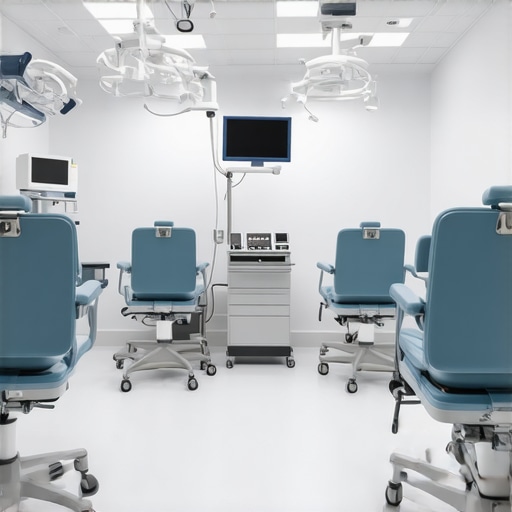
It was late in the afternoon, and I was hunched over another long surgery, feeling every muscle protest. My back was screaming, my legs were tingling, and despite all my skills, I couldn’t shake the feeling that I was fighting my equipment more than the patient. That lightbulb moment hit me hard—what if my comfort and position could be optimized without me constantly fidgeting or risking fatigue? That’s when I truly realized the importance of a good surgeon chair, particularly one that’s height-adjustable for long operations.
Why the right surgeon chair makes all the difference in lengthy procedures
In my experience, a chair isn’t just a piece of furniture; it’s a critical tool that can determine the success of a surgery—and my own well-being. Over the years, I’ve learned that a chair that can be fine-tuned to my exact needs reduces fatigue, improves focus, and even enhances patient safety. But not all chairs are created equal. The key lies in those with adjustable heights, allowing me to customize my working position seamlessly as the procedure unfolds. This flexibility ensures I’m maintaining optimal ergonomics across different surgical stages, which is essential for surgeons who perform long, complex operations.
However, early in my career, I made a costly mistake—investing in a non-adjustable chair simply because it looked sturdy. It seemed fine at first, but after a few hours, I was stretching, twisting, and in pain. That discomfort compromised my concentration and, ultimately, my performance. Since then, I’ve committed to selecting chairs that prioritize movement and comfort, embracing features like smooth height adjustments and ergonomic support. If you’re regularly involved in lengthy surgeries, I highly recommend exploring options that allow precise adjustments to suit your height and posture.
Regarding the benefits, research indicates that proper ergonomic seating can significantly reduce musculoskeletal strain for surgeons. For example, a study published in the *Journal of Occupational and Environmental Medicine* found that ergonomic interventions, including adjustable seating, decreased work-related musculoskeletal disorders among operating room staff[^1]. This evidence underpins the importance of investing in the right equipment for both your health and your patients’ safety.
Are you tired of that persistent back ache at the end of your long shifts? Do you feel that your current chair is holding you back from the best performance? If so, you’re not alone. Many surgeons overlook their seating setup, but it can be a game-changer. In the following sections, I’ll share practical insights on selecting and maintaining the perfect height-adjustable surgeon chair, ensuring you stay comfortable and in control during even the longest procedures.
Assess Your Workspace and Obtain the Right Chair
Before diving into adjustments, evaluate your operating environment. Opt for a height-adjustable surgeon chair with a sturdy base, smooth-rolling casters, and ergonomic support. Think of it as choosing the right pair of running shoes — stability and adjustability are key. I recall my first purchase, which seemed promising but lacked fine-tuning features. During a 6-hour procedure, I struggled to maintain comfort, leading to fatigue. Since then, I’ve prioritized chairs that allow precise height and lumbar position adjustments, ensuring seamless transitions during lengthy surgeries.
Set the Correct Height for Optimal Posture
Remove guesswork by calibrating your chair to match your seated height with the table or operating platform. Use the adjustment lever to raise or lower the seat so that your thighs are parallel to the floor, and your feet rest flat without pressure. Imagine your legs as the foundation of a sturdy bridge—if uneven, the entire structure becomes unstable. I once spent 20 minutes tweaking my chair during a complex procedure, and the relief was immediate. Gentle micro-adjustments can make a huge difference in reducing back strain and maintaining focus.
Align Your Lumbar Support and Backrest
Proper lumbar support acts like a shock absorber for your spine. Adjust the backrest so that it conforms to the natural curve of your lower back, promoting upright posture without stiffness. A good trick I learned is to sit upright, lean back, and then set the backrest to fill that space comfortably. During a dense vascular surgery, I found that fine-tuning my lower back support kept me alert and free from persistent pain, preventing fatigue from creeping in. Don’t hesitate to experiment with the seat tilt or lumbar pillow placements, as small tweaks yield significant benefits.
Adjust the Armrests and Head Position
Ensure armrests are set at a height that lets your shoulders relax, reducing tension in neck and upper back muscles. The arms should rest comfortably without elevating or depressing your shoulders. For head position, consider adjustable headrests or supporting devices that keep your head aligned with your spine. During a delicate neurosurgery, I once forgot to set the armrests and ended up hunching my shoulders after a couple of hours. Correct arm support reduced muscular fatigue, allowing me to focus solely on the procedure. Remember, your arms and head are extensions of your core posture — they need to be supported properly.
Incorporate Movement and Micro-Adjustments
No chair adjustment is complete without periodic micro-movements. Shift your position slightly every 20-30 minutes to prevent stiffness. Use your chair’s height and tilt adjustments subtly during the procedure to adapt to different surgical phases. For instance, I adjusted my seat height slightly during a prolonged orthopedic operation to accommodate different surgical stages, which helped maintain comfort. Think of your chair as a dynamic tool: keeps it adaptable to your body’s changing needs without sacrificing stability or support.
Maintain and Regularly Reassess Your Setup
Once your chair is properly configured, treat the setup as a living system. Regularly reassess your ergonomics, especially after long procedures or if discomfort develops. Clean and lubricate adjustment mechanisms periodically to ensure smooth operation. I recall a time I ignored the signs of wear, and the adjustment lever jammed mid-surgery, causing unnecessary stress. Periodic maintenance and reassessment prevent such setbacks and prolong your chair’s lifespan, ensuring consistent ergonomic benefits over time. Keep a checklist to verify each parameter before each shift, making micro-adjustments as needed to stay comfortable and alert throughout demanding surgeries. For additional ergonomic insights, consider exploring advanced solutions like ergonomic support accessories that complement your chair setup.While many believe that selecting medical supplies and devices is just about matching specifications or cost, the reality is far more intricate. One common misconception is that newer or more expensive equipment automatically guarantees better outcomes, but in my experience, this isn’t always true. Advanced products, like AI-assisted cavity detection tools, can offer remarkable precision, but only if they are integrated properly into existing workflows and understood thoroughly by staff. Overlooking training and compatibility nuances can render even the most sophisticated device underutilized or misused, jeopardizing patient safety and cost efficiency.
Let’s talk about the trap many fall into: assuming that all medical devices are universally applicable. For example, biohazard waste compactors designed for large institutional waste management might tempt smaller clinics due to initial cost savings, but their capacity and maintenance needs often make them unsuitable. This mismatch leads to operational inefficiencies and increased long-term expenses, which can be avoided with thorough needs assessments.
Another critical point is the misconception that all medical supplies are created equal in terms of quality control. In reality, some manufacturers might cut corners, especially in the rush to produce low-cost alternatives, resulting in items that do not meet safety or durability standards. This risk underscores the importance of sourcing from reputable suppliers and verifying certifications, particularly for items like lab safety footwear or surgical tools.
What advanced considerations should I keep in mind for integrating new medical technology into my practice?
Adopting cutting-edge devices requires more than just purchasing the latest model. It involves understanding the device’s technical nuances, compatibility issues, ongoing maintenance, and staff training. For instance, ergonomic protective equipment may come with specific cleaning protocols that, if neglected, compromise their effectiveness. Staying ahead means continuous education, understanding the device’s limitations, and planning for future upgrades or integrations. A well-informed approach safeguards your practice against costly mistakes and enhances patient outcomes.
Always remember that the key to optimizing medical supplies and equipment lies in detailed knowledge and strategic planning. Don’t fall for the myth that more expensive or newer is always better. Instead, focus on thorough assessments, staff training, and understanding niche functionalities. For practical insights on the latest innovations, explore smart rehab devices or precision surgical tools to stay at the forefront.
Have you ever fallen into this trap? Let me know in the comments.
Tools I Recommend for Long-Term Performance
When it comes to ensuring medical supplies and equipment perform reliably over time, the right tools and maintenance routines are indispensable. Regular calibration of devices like AI-assisted cavity detectors keeps precision sharp, preventing diagnostic errors. I personally rely on dedicated calibration kits that come with manufacturer-specific adjustment instructions, which streamline this process and reduce downtime.
Another asset is preventive cleaning gear. Investing in ultrasonic cleaners specifically designed for delicate equipment, such as ultrasonic bone cutters, ensures optimal performance and longevity. I’ve found that maintaining a strict cleaning schedule with these tools every few uses minimizes microbial contamination and mechanical wear, eventually saving money on replacements.
Future Trends in Equipment Maintenance
Emerging trends point toward integrated smart diagnostics that monitor equipment health in real-time. For instance, predictive maintenance sensors embedded within surgical robots can flag parts nearing failure, prompting timely servicing. Experts predict that within the next few years, these features will become standard, significantly reducing unexpected failures and enhancing procedural safety. Implementing such systems now can give your practice a competitive edge, as detailed in recent industry analyses.
How do I keep my equipment functioning smoothly over time?
The key lies in establishing a comprehensive maintenance protocol, combining routine inspections, calibration, and staff training. Assign dedicated personnel or work with external technicians who understand the intricacies of your specific devices. Additionally, maintaining detailed logs of maintenance activities helps identify recurring issues and plan ahead. For example, regularly updating the firmware of digital devices like AI-assisted mammography tools ensures they operate with the latest features and security patches, reducing vulnerability to glitches or cyber threats.
Incorporate periodic staff retraining sessions focused on device handling and troubleshooting. Proper use reduces wear and tear, preventing early breakdowns. Remember, a well-maintained device not only increases its lifespan but also enhances patient safety and care quality. For instance, routine checks on portable lactate analyzers ensure accurate readings and reliable diagnostics during critical moments.
Finally, stay informed about the latest best practices and technological advances by subscribing to industry updates or participating in professional workshops. This proactive approach helps anticipate maintenance needs before they become problematic. Why not try implementing predictive maintenance sensors on your most frequently used equipment? This small step could revolutionize your maintenance routine, making it more efficient and less reactive, ultimately saving costs and improving patient outcomes.
Over the years, I’ve discovered that the secret to sustained focus during lengthy surgeries isn’t just in technique—it’s in the comfort and ergonomics of the environment you cultivate. The choice of a height-adjustable surgeon chair, for instance, can transform your entire surgical experience, reducing fatigue and enhancing precision. Beyond just comfort, optimizing your equipment setup is a crucial skill that pays dividends in patient safety and personal well-being. The lightbulb moment came when I realized that my gear isn’t just support—it’s part of my craft.
What Small Changes Can Lead to Big Wins in Ergonomics
Adjusting your chair with micro-tweaks might seem trivial, but it can substantially decrease back strain. The key lies in fine-tuning your seating to match your natural posture, avoiding awkward stretches or hunches that accumulate over hours. I learned this lesson painfully early in my career, suffering from discomfort that compromised my concentration. Now, I see every adjustment as an investment in both my health and the success of the procedure.
Transform Your Setup with Knowledge and Care
Regularly reassessing your ergonomic arrangements is vital. Equipment can shift as you move through different surgical phases, so staying attentive ensures sustained comfort. Maintenance routines, like lubricating adjustment levers or replacing support cushions, keep your setup reliable. Remember, your chair and accessories are your allies; treat them with routine care to prolong their benefits.
Embrace the Power of a Proactive Mindset
Adopting a proactive stance toward equipment ergonomics fosters a healthier working environment. Track your adjustments, listen to your body’s signals, and don’t hesitate to upgrade when necessary. Integrating advanced ergonomic accessories or exploring innovative solutions like ergonomic support tools can be game-changers. Remember, small consistent efforts lead to long-term gains, making each surgery smoother and safer for everyone involved.
Lessons from the Field to Sharpen Your Skills
- Prioritize micro-adjustments, as every small change compounds over hours, reducing fatigue.
- Schedule regular check-ins, to recalibrate your setup and prevent discomfort from creeping in unnoticed.
- Invest in quality accessories, since durable, adjustable components sustain ergonomic benefits longer.
- Learn from peers, sharing insights about what has improved their surgical comfort can be invaluable.
- Trust your instincts, if something feels off, adjust it immediately—your body is the best feedback tool.
My Essential Tools for Ergonomic Excellence
For consistent performance, I rely on a few trusted resources. The mini-ultrasound probes give me quick access to critical data without sacrificing ergonomics. Upgrading to adjustable arm supports like the ones described in self-retaining retractors helps maintain optimal posture during complex procedures. Additionally, ergonomic stools and supportive cushions, sourced from reputable suppliers like those specializing in lab safety footwear, make a noticeable difference in endurance and focus.
Seize the Moment and Elevate Your Surgical Comfort
Remember, mastering your ergonomic setup is an ongoing journey. Every adjustment, every upgrade, contributes to a more sustainable and effective surgical practice. Don’t wait for discomfort to become a problem—be proactive, informed, and intentional about your environment. Your long-term health and your patients’ outcomes depend on it. Step into each procedure with confidence, knowing your setup supports your skill and dedication.
What’s been your biggest challenge in maintaining ergonomic comfort during surgeries? Share your experiences below—I’m eager to learn from your journey!
,