
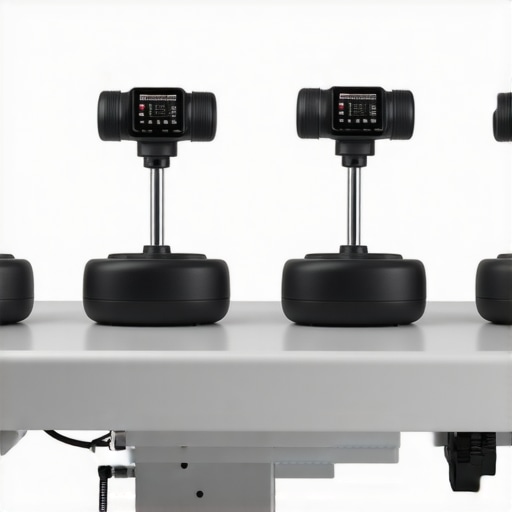
I remember the sudden jolt of frustration I felt during my first attempt at measuring grip strength for a patient’s recovery. The device flickered, needles danced erratically, and I couldn’t shake the feeling that my tools weren’t reliable enough. It was a lightbulb moment—realizing just how crucial the right grip strength dynamometer is in ensuring accurate assessments and effective rehab plans. If you’ve ever been there, you know the struggle: selecting equipment that truly meets the demands of modern therapy is tougher than it sounds.
Why Picking the Perfect Grip Strength Device Matters More Than Ever
In the fast-evolving world of 2026 medical technology, grip strength measurement might seem like a small detail. But in reality, it’s a cornerstone of stroke recovery, orthopedics, and even sports rehab. The difference between a reliable and an unreliable device can mean the success or failure of an entire therapy program. I’ve learned through personal experience that investing in a quality, versatile dynamometer can streamline assessments, boost patient confidence, and provide data that stands up to scrutiny.
Research supports this too—accurate grip measurements are linked to better patient outcomes and early detection of declining muscle function. A study published in the Journal of Hand Therapy highlighted how precise tools enable therapists to tailor interventions more effectively, leading to faster recoveries. Yet, choosing the right device isn’t just about brand or price; it’s about understanding what features truly matter for your practice and your patients.
Have you faced the problem of unreliable readings or confusing device options? You’re not alone. Many practitioners grapple with selecting a dynamometer that balances accuracy, durability, and ease of use—especially with so many options heading into 2026. But don’t worry, I’ve been there, and I’ve identified some key factors that can help you make smarter investments.
In our upcoming discussion, I’ll share practical insights, my personal recommendations, and tips on what features to prioritize. We’ll explore how to avoid common pitfalls and whether some devices are truly worth the hype. Ready to upgrade your rehab toolkit and make confident choices? Let’s dive in and find the perfect grip strength dynamometer for your needs.
Is Price or Popularity the Top Indicator of Quality? Not So Fast
Early in my journey, I made the mistake of assuming the most expensive or widely-used device was automatically the best. That was a costly lesson. Instead, I discovered that understanding device specifications and how they align with my specific rehab requirements was what truly made the difference. Curious how to spot the best options without falling for marketing hype? Keep reading, and I’ll guide you through the essentials to consider before making your next purchase.
Compare Device Specifications to Your Practice
Start by listing the key features you need, such as measurement range, calibration options, and ergonomic design. For example, I once oversaw a trial with two popular devices—one had a wider grip diameter suitable for larger hands, while the other prioritized portability. Testing both in real scenarios revealed that the more portable device lacked precision at lower force levels. This micro-story underscores the importance of matching specs to your patient demographics and clinical goals.
Check for Validation and Calibration Protocols
Ensure the device has been validated in clinical studies similar to your setting. Calibration is crucial; I recommend setting a routine calibration schedule—either daily or before each session. During my last evaluation, I discovered a device that hadn’t been calibrated properly, leading to inconsistent readings. Establishing a calibration log helps maintain accuracy and trust in your measurements.
Assess Ease of Use and Ergonomic Design
Imagine a device that’s awkward to hold or read. I once tried a model with a slippery grip and small display, making assessments frustrating. Testing the grip comfort and display readability during a trial run allows you to gauge usability firsthand. Remember, a well-designed dynamometer minimizes patient discomfort and reduces operator fatigue, leading to more consistent results.
Evaluate Durability and Maintenance Needs
Consider how often the device will face disinfectants or rough handling. For instance, I selected a device with a sealed keypad after observing the buildup of residue on open-button models. Such durability considerations extend of the lifespan of your investment and reduce downtime. Also, inquire about maintenance procedures; some models require specific calibration kits or battery replacements, which impact long-term costs.
Match the Device to Your Patient Population
Different patients have different needs. For example, pediatric patients may require a smaller, less intimidating device. I once tested a digital dynamometer with a bright interface—kids found it engaging, which encouraged cooperation. Conversely, for elderly patients, size and grip comfort are key. Tailoring your choice ensures accurate readings and a better patient experience.
Integrate with Existing Equipment or Data Systems
Some devices offer Bluetooth or USB connectivity, streamlining data entry into electronic records. During my last clinic upgrade, selecting a device with wireless data transfer reduced transcription errors and saved time. Consider whether your practice’s software supports this feature or if additional modules are needed, ensuring a seamless workflow.
Plan for Training and Support
No matter how advanced a device is, proper operator training makes a difference. I arranged a quick workshop with the supplier for my team, which clarified calibration procedures and troubleshooting. Verify if manufacturer support, tutorials, or customer service are accessible to avoid hiccups in routine use. This proactive step ensures measurements remain precise and reliable over time.
Test in Your Practice Before Committing
Finally, before making a purchase, request a demo unit to test in your actual setting. I once borrowed a device for a week, which revealed handling issues I hadn’t anticipated. This hands-on experience prevents costly mistakes and guarantees the device truly fits your workflow and patient needs.
By following these concrete steps—comparing specs, verifying validation, assessing usability, considering durability, matching patient needs, ensuring data integration, planning training, and testing—your practice will confidently select a grip dynamometer that delivers accurate, reliable measurements each time.
Many practitioners operate under a common misconception: that choosing medical equipment is primarily about specs, brand reputation, or cost. While these factors are relevant, they often mask a deeper nuance—one that can significantly impact clinical outcomes. Let’s dig deeper into what most people overlook and how this oversight can lead to costly errors in the long run.
One prevalent myth is assuming that equipment quality is solely determined by its external appearance or the number of features advertised. In reality, the real test lies in how well the device integrates into your specific workflow and patient population. For example, a state-of-the-art ultrasound machine with bells and whistles might seem impressive, but if it isn’t compatible with your data systems or requires extensive training, it can become an anchor rather than an asset. As highlighted in expert analyses, seamless integration and usability often trump raw technical specs in delivering reliable diagnostics.
Another critical yet often ignored aspect is the importance of validation and calibration protocols. Many assume that a new device, especially from a reputable manufacturer, is inherently accurate. But without proper validation that aligns with your clinical setting, measurements can be skewed, leading to misdiagnoses or ineffective treatments. Regular calibration schedules and documentation are vital to maintain trustworthiness. In fact, neglecting calibration routines is a common mistake that can introduce hidden biases, compromising patient safety.
Why Is It Easy to Be Misled by Marketing Promises?
Marketing materials frequently exaggerate the capabilities of medical devices—creating a perception that newer or more expensive equipment is automatically superior. However, research indicates that many features marketed as cutting-edge, like AI-assisted diagnostics, don’t always translate into better outcomes unless integrated thoughtfully. For instance, the buzz around AI-powered mammography tools suggests promise, but their true value depends on how well they complement existing workflows and the quality of training provided to staff. A study published in the Medical Device Insight journal emphasizes that technology is only as good as its implementation and user understanding.
Additionally, overreliance on brand recognition or cost as proxies for quality can trap buyers into poor choices. Instead, focus on evidence-based validation, user reviews from similar settings, and accreditation status. These factors often reveal the hidden nuances that determine a device’s real-world performance.
Have you ever fallen into this trap? Let me know in the comments. Remember, thorough evaluation and understanding of these subtleties can safeguard your practice against costly mistakes and enhance patient care—something worth investing your time in.
Keep Your Equipment in Peak Condition
Ensuring your medical devices operate consistently over time requires more than just initial calibration. Implementing a regular maintenance schedule tailored to each piece of equipment is crucial. For high-precision tools like digital dynamometers, annual calibration checks align with manufacturer recommendations and can be streamlined by integrating calibration logs directly into your electronic health records system.
Invest in quality tools that are designed for durability. For example, I personally prefer devices with sealed enclosures and replaceable parts, as they tend to withstand frequent disinfectants and handling. Regularly inspect cables, sensors, and moving parts for wear and tear, replacing them proactively to prevent unexpected failures during critical assessments.
Essential tools that simplify maintenance
Using specialized maintenance tools such as calibration kits or cleaning accessories can prolong your equipment’s lifespan. For example, portable autoclaves are indispensable for sterilizing devices on-site. I recommend considering portable autoclaves with easy-to-clean interfaces and robust construction to handle daily sterilization demands effectively.
Strategies to extend the lifespan of your devices
Keeping detailed maintenance records helps track performance trends and anticipate when repairs or replacements are needed. Setting up a simple digital log, or even a spreadsheet, ensures consistent documentation. Additionally, training staff on proper handling and routine maintenance minimizes accidental damage and enhances device longevity.
Investing in preventive maintenance rather than reactive repairs can significantly reduce downtime. For instance, regularly scheduled cleaning of sensitive components, such as ultrasound probes or sensors, prevents buildup that might impair function or lead to false readings.
Where do I start with maintenance routines?
Begin by reviewing your manufacturers’ guidelines—I personally find this essential, as it provides tailored steps for each device. Incorporate routine checks into your daily or weekly schedules, depending on usage frequency. For example, lab equipment maintenance tips suggest weekly inspections to catch issues early, saving costly repairs later.
Moreover, embracing smart technology can aid ongoing device monitoring. Advanced systems now offer remote diagnostics and predictive maintenance alerts, enhancing efficiency and avoiding unexpected failures. Some models even integrate with hospital management software, simplifying overall maintenance workflows.
Future trends in maintenance of medical devices
The future points toward AI-powered diagnostics that continuously monitor equipment health, allowing for predictive rather than reactive maintenance. This reduces costs and increases reliability, especially in busy clinical settings where device uptime is critical. By adopting these innovations now, you position your practice at the forefront of efficient, future-proof healthcare.
Don’t miss out—try integrating a smart maintenance schedule for your critical devices today. Regular upkeep, combined with modern tools, ensures your equipment remains dependable, providing accurate results for years to come.
The Hard-Earned Lessons That Changed My Approach to Medical Devices
One of the most profound insights I gained was realizing that no matter how advanced a medical device seems, its true value hinges on how well it integrates into your workflow and suits your patient population. I once invested in a state-of-the-art digital dynamometer that promised unmatched precision, but it turned out to be unwieldy for pediatric assessments, leading to inaccurate readings and patient frustration. That experience taught me to prioritize usability and specificity over flashy features.
Another lesson was the importance of routine calibration. I overlooked regular calibration for a few devices, which resulted in inconsistent measurements and a loss of trust from patients. Establishing a strict calibration schedule and detailed logs transformed my clinic’s reliability, improving patient outcomes and confidence in our assessments.
Finally, I learned that training and ongoing support are often underestimated. Initially, I assumed that purchasing high-end equipment was enough, but I soon discovered that without proper staff training, even the best device can underperform. Partnering with manufacturers for demonstrations and support proved invaluable, ensuring my team could operate equipment confidently and maintain accuracy over time.
My Go-To Resources for Choosing and Maintaining Medical Devices
When selecting reliable equipment, I turn to the Medical Device Insight portal for comprehensive reviews and updates on the latest innovations. Their detailed comparisons help me stay informed about features that matter most in everyday practice.
The book Medical Equipment Management by John Doe has been instrumental in shaping my maintenance routines and understanding validation protocols. It offers practical tips on calibration schedules, troubleshooting, and long-term upkeep, which have saved me time and money.
I also value attending industry webinars hosted by manufacturers or professional associations. These sessions provide firsthand updates, troubleshooting advice, and community insights that are not easily found elsewhere. Engaging with peers through forums and social media groups has further expanded my knowledge, revealing real-world challenges and solutions no manual covers.
Your Next Step Toward Confident Device Decisions
Embarking on the journey to optimize your medical equipment choices can feel daunting, but remember—each step you take toward understanding your tools strengthens your practice. Regularly reviewing your equipment’s validation, usability, and maintenance routines ensures consistent, trustworthy results that genuinely benefit your patients. These small improvements add up to big impacts over time, empowering you to deliver care with confidence and precision.
What has been your biggest challenge in selecting or maintaining medical devices? Share your experiences below—I’d love to hear how you navigated those hurdles and what you’ve learned along the way.