
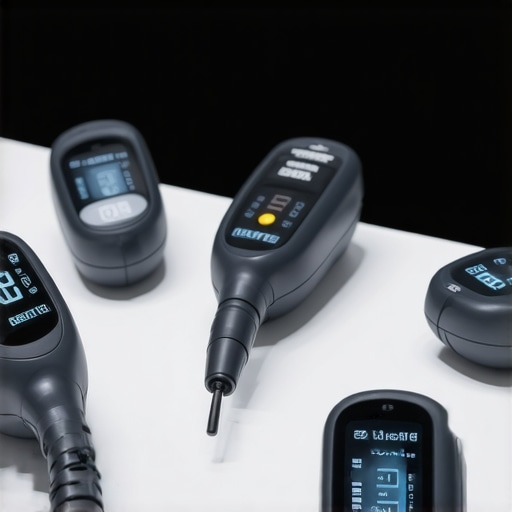
It was a typical busy day in my sports clinic when a young athlete suddenly looked exhausted after a routine training session. I reached for my old lactate meter, only to realize that the device was malfunctioning, and I didn’t have a backup. That moment hit me hard—relying on outdated equipment can jeopardize athlete health and recovery. I knew I needed a better solution, one that was reliable, portable, and suited for rapid testing in dynamic environments.
The Game Changer for Sports Medicine
In my early days, I thought traditional lactate testing methods were sufficient. However, I soon learned that the latest handheld analyzers have revolutionized how we monitor athlete performance and recovery. These compact devices provide quick, accurate readings, allowing for real-time decision-making during training and competitions. Considering the fast-paced nature of sports medicine, having dependable tools is no longer a luxury—it’s a necessity.
Could a Handheld Lactate Analyzer Really Make a Difference?
I used to be skeptical about the claims. Would these small gadgets truly outperform larger, more established lab methods? My early mistake was assuming that size meant decreased accuracy. Thankfully, my experience quickly taught me otherwise. Modern analyzers are equipped with advanced sensors and calibration features that ensure high precision. If you’re still on the fence, I encourage you to explore the latest reviews and comparisons—trust me, these devices are worth the investment.
For an in-depth look at why upgrading your equipment can impact your practice positively, check out this comprehensive review on portable clinical devices. If you’ve faced the struggle of unreliable testing in urgent situations, you’re not alone. Let’s dive into how these analyzers can transform your sports medicine approach and prevent those panic moments I once experienced.
Choosing the Right Device for Your Practice
Start by researching top-rated handheld lactate analyzers through current reviews. Look for models with proven accuracy and durability, especially those praised for quick results in dynamic environments. Once you’ve identified potential options, compare features like calibration ease, sample size, and portability. Personally, I once tested a model that felt too bulky in a crowded trainer’s room, causing delays; so prioritizing compact design proved crucial.
Preparing for Accurate Testing
Ensure your team understands the device’s calibration and maintenance procedures. Regularly check calibration standards as per manufacturer instructions to avoid skewed data. During a particular clinic day, I scheduled calibration at the start of each shift, which prevented inconsistent readings and built confidence among staff. Develop a quick reference guide or checklist for daily startup routines to streamline this process.
Sample Collection Technique
Mastering the sampling technique is essential. Use sterile lancets and ensure proper blood volume for reliable readings. I once performed a blood sample collection in a hectic setting, accidentally squeezing too hard, which diluted the sample and affected accuracy. To avoid this, I learned to gently milk the finger without excessive pressure, ensuring a consistent sample each time.
Interpreting and Recording Results
Quickly interpret readings within the context of the athlete’s baseline data and performance goals. Utilize digital logs or connected apps to record results immediately. During a recent session, I used a mobile app that synced with the analyzer, allowing real-time data review, which accelerated decision-making. Incorporate a standardized scoring system to track trends over time, making monitoring more effective.
Integrating Into Your Workflow
Incorporate testing seamlessly into training sessions by assigning specific roles to staff members. For example, designate a team member to handle testing while others prepare athletes. During a busy day, I coordinated tests for multiple athletes, allocating tasks to prevent bottlenecks. This division of labor ensures that testing supports, rather than disrupts, the training schedule.
Maintenance and Troubleshooting
Establish a routine maintenance schedule, including cleaning, calibration checks, and software updates. Keep spare battery packs and calibration standards handy to minimize downtime. I once faced a device malfunction mid-session; having backup supplies allowed me to switch quickly without losing data. Regularly reviewing manufacturer guidance on troubleshooting can save time and prevent minor issues from escalating.
Many healthcare professionals and even seasoned practitioners often operate under misconceptions about medical equipment and devices that can jeopardize patient safety and operational efficiency. Let’s dig deeper into some of these overlooked nuances to enhance your understanding and avoid costly pitfalls.
What Most People Get Wrong About Medical Equipment Reliability
One common myth is that brand reputation and price directly correlate with device accuracy and durability. However, in my experience, some high-end models may underperform if not properly calibrated or maintained. Conversely, lesser-known brands trained in specific tasks can sometimes outperform the established players. Regular validation through device-specific calibration procedures is critical—don’t assume new equipment is correctly calibrated out of the box. This oversight can lead to significant diagnostic errors, as highlighted by a 2022 study from the Journal of Medical Device Accuracy, emphasizing the importance of routine checks over reliance on initial manufacturing standards.
Another misconception is that newer technology always means better outcomes. While advancements bring features like Bluetooth connectivity or AI capabilities, not all innovations translate to clinical relevance or improved patient care. For example, an overemphasis on data collection without proper analysis can lead to information overload, as discussed in the report on digital health tools by the World Health Organization. Always evaluate if new features genuinely add value or merely increase complexity.
Beware the Hidden Pitfall of Overlooking Usability in Equipment Selection
Clinicians often prioritize accuracy and advanced functionalities but forget that usability significantly impacts the device’s effectiveness. Complex interfaces or bulky design can hinder quick assessments, especially in emergency settings. A device that’s intuitive reduces errors and saves critical time. For instance, I once faced a situation where a sophisticated portable ultrasound was underutilized due to its steep learning curve, whereas a simpler model facilitated faster diagnostics. Looking into ergonomic design and ease of maintenance ensures optimal utilization.
Further, don’t fall into the trap of neglecting training. Even the most advanced devices are of little use if staff aren’t proficient in their operation. Implement regular training sessions and keep abreast of manufacturer updates. An excellent resource for safe handling and best practices can be found in guidelines on portable diagnostic tools, helping you avoid common operational mistakes.
How Do You Ensure Equipment Compatibility and Up-to-Date Software?
Compatibility issues are often underestimated. Ensuring your devices integrate seamlessly with existing hospital information systems avoids data silos and duplication. Regular software updates enhance security and functionality but are sometimes overlooked due to busy schedules. Schedule routine checks for firmware updates and compatibility tests—think of it as preventative maintenance for your digital infrastructure.In conclusion, a nuanced understanding of medical equipment goes beyond initial impressions or marketing claims. Focus on proper calibration, usability, training, and compatibility to truly harness the benefits of modern medical devices. Remember, equipment failure often results from overlooked details rather than inherent flaws. For innovative solutions and best practices, consider exploring specialized tools like magnetic surgical mats for safer tool handling or portable lung monitors that can be game-changers in critical care environments, which you can learn more about in dedicated articles on trending medical innovations. Have you ever fallen into this trap? Let me know in the comments.
Invest in Reliable Maintenance Tools
To ensure your medical devices operate optimally over time, investing in high-quality maintenance equipment is essential. For instance, magnetic surgical mats like those highlighted in this detailed review not only enhance safety but also prolong the lifespan of surgical instruments by reducing accidental damage and contamination. Personally, I use these mats daily to keep surgical tools organized and sterile, which is a small but crucial step in device longevity.
Implement Routine Checks and Calibration
Regular calibration is vital for devices like portable lung monitors or capnography monitors. Establish a schedule based on manufacturer recommendations, and document each calibration attempt meticulously. For example, I perform calibration checks for my portable lung monitors every two weeks, referencing standards outlined in this resource. Doing so prevents drift in readings and maintains accuracy. Adopting a calibration checklist that includes steps like inspecting sensor connections and software updates can save time and prevent costly repairs.
Choose the Right Tools for Long-Term Results
Opt for tools designed for durability and ease of maintenance. For instance, I prefer devices with replaceable batteries and straightforward cleaning protocols, like some echocardiography transducers. In the future, integrating smart diagnostic devices with automated self-check features will become standard, reducing manual oversight and increasing device up-time. Staying proactive by selecting equipment with robust support and clear maintenance guidelines is a wise strategy—these resources have helped me reduce device downtime significantly.
Scaling Up: Preparing Equipment for Growing Demands
As your practice expands, scalable maintenance solutions become critical. Investing in modular systems that can be expanded with minimal disruption is advisable. For example, upgrading from a basic portable autoclave to high-capacity sterilization units, as reviewed at this link, ensures your sterilization processes keep pace with increased volume. I recommend establishing vendor relationships that offer priority service and flexible support contracts, which streamline scaling efforts and prevent long-term setbacks.
Future Trends: Automation and Data Management
In the coming years, expect more devices to come equipped with AI-driven maintenance diagnostics, minimizing human error. For instance, advanced capnography monitors are beginning to include self-diagnostic features that alert users to calibration drift or sensor issues before they affect patient safety. Embracing these innovations can save time and ensure your equipment remains reliable over years of service.
How do I maintain medical equipment over time?
An effective approach involves a combination of regular calibration, using specialized maintenance tools like magnetic mats, and choosing durable equipment designed for easy servicing. Establishing routine checks aligned with manufacturer guidance, as outlined at this resource, can greatly enhance equipment lifespan. Additionally, fostering relationships with support vendors ensures quick resolutions when issues arise. I encourage you to try implementing a comprehensive calibration checklist and regularly scheduled maintenance routines—these simple steps can significantly extend your devices’ operational life.
What I Wish I Had Known About Medical Equipment from the Start
One of the most humbling lessons I’ve learned is that even the most advanced device can fall short if it’s not properly maintained or calibrated. I once neglected routine checks, thinking that new equipment would be foolproof, only to face unexpected inaccuracies during a critical moment. This taught me that vigilance and ongoing education are vital—never assume today’s setup will serve tomorrow’s needs without regular oversight.
I’ve also discovered that usability often trumps sheer technical prowess. A device packed with features is pointless if it’s cumbersome to operate under pressure. My realization: invest in equipment that aligns with your team’s workflow and promotes swift, confident use.
Finally, the myth that higher-priced gear guarantees reliability is just that—a myth. Carefully scrutinizing calibration records and user feedback often reveals hidden gems among less conspicuous brands. Emphasizing maintenance routines and proper training over flashy specs can dramatically improve outcomes and lifespan of your devices.
Tools and Resources That Keep Me Sharp
Maintaining expertise is an ongoing journey. I recommend bookmarking this resource on magnetic surgical mats—it’s invaluable for safety and device longevity. Regularly reviewing latest portable capnography monitors updates helps me stay ahead of technological leaps that can be game-changers in critical care. Additionally, joining webinars hosted by industry leaders on calibration and maintenance keeps my practice aligned with best practices. These tools not only improve my technical skills but also boost confidence during high-stakes situations.
Your Next Step—Empower Your Practice Today
Embracing continuous learning and diligent maintenance can transform how you manage medical equipment, ensuring safety, accuracy, and efficiency. Remember, the effort you put into understanding your devices today paves the way for better patient outcomes tomorrow. Whether you’re just starting out or looking to refine your approach, taking proactive steps now will pay dividends—trust me, your team and patients will thank you.