

It was a hectic Tuesday morning, and I vividly remember fumbling with tiny surgical instruments trying to organize my workspace. One slipped off the tray, clattering onto the floor. Instinctively, my heart sank. That moment of panic—the sweat on my palms, the rush to find the misplaced tool—made me realize how crucial safety and efficiency are when handling delicate surgical tools. I wondered, ‘Is there a better way to keep everything secure but accessible?’ After some research and personal trials, I discovered that using magnetic surgical mats could be a game-changer. These mats keep tools firmly in place, reducing the risk of accidents and contamination, and boost workflow efficiency. Today, I want to share with you how these mats have revolutionized my practice and how they can make your surgical environment safer too.
Start with a Clear Layout
Arrange your magnetic surgical mats on a stable, clutter-free surface close to your workspace. During a recent procedure, I placed all essential tools—scalpels, forceps, scissors—on the mat, ensuring each had its designated spot. This minimized the time spent searching and kept everything within arm’s reach.
Use Color-Coded Zones
Create designated zones on the mat for different tool types—sharp instruments on one side, graspers in the center, scissors on the other. I experimented with a color-coded system, assigning red for cutting tools and blue for grasping instruments, which streamlined my movements and reduced errors.
Leverage Magnetic Hold Strength
Select mats with varying magnetic intensities based on tool weight and size. For lightweight items like sutures, a softer magnetic hold sufficed, but heavier instruments required stronger magnets. During a complex excision, the right magnetic strength prevented tools from shifting, catching me before they fell.
Secure Small Items Effectively
Small items such as needles or clips can be tricky. I recommend using additional magnetic strips or tiny magnets fixed onto the mat to hold these securely. In practice, this prevented accidental drops when switching between instruments swiftly.
Implement Regular Checks and Maintenance
Periodically verify the magnetic strength and cleanliness of the mats. Accumulated debris or magnetization loss can reduce effectiveness. During a busy session, I noticed a slight decrease in grip, which I addressed by wiping the surface and repositioning the magnets, restoring optimal adhesion.
Maintain Proper Sterilization Protocols
Ensure mats are sterilized according to protocols—most are compatible with standard sterilization procedures. This practice was critical during an outpatient procedure where contamination risk was high. I sterilized the mats alongside instruments, maintaining a sterile environment without hassle.
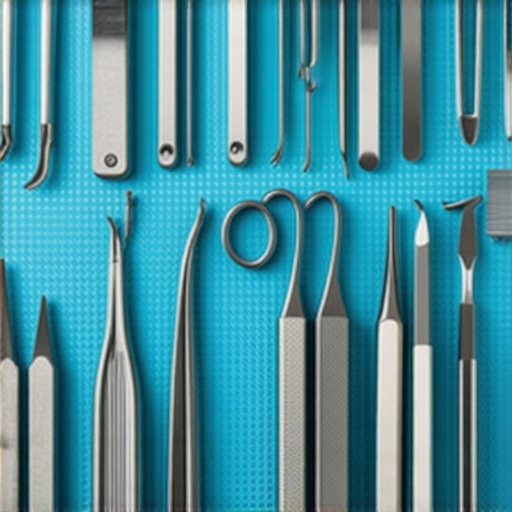
Using magnetic surgical mats streamlines tool management, reduces accidents, and enhances efficiency—a small change with significant benefits.
While many professionals believe that selecting the latest technology guarantees superior patient outcomes, the reality is far more nuanced. A common misconception is that newer equipment always outperforms older, proven devices, but this isn’t necessarily true. Often, the true value lies in understanding the subtle differences between devices tailored to specific clinical contexts. For example, some advanced imaging tools, like smart ultrasound probes, have features optimized for vascular access and are not just ‘better’ because they are newer. Instead, matching the device’s capabilities with the procedure’s requirements is what truly enhances efficiency and safety. Additionally, there’s a trap in overemphasizing technological innovation at the expense of user familiarity. A sophisticated device that’s difficult to operate can lead to errors, delays, or even patient harm—making training and ease of use just as critical as the device’s technical specifications. Experts warn that neglecting this balance can undermine the very improvements the technology promises. For instance, the buzz around laser scalpels for reducing blood loss is justified, but improper calibration or misuse can cause unintended tissue damage. Ensuring staff are well-trained and comprehensively understand device nuances, maintenance, and limitations is essential. Moreover, many practitioners overlook the importance of sterilization protocols tailored to specific device materials. Using a sterilizer designed for traditional instruments on delicate microprocessors or electronics can result in damage, compromising device integrity and safety. This common oversight can be avoided by familiarizing oneself with manufacturer guidelines and staying updated on innovations like graphene face masks with 99.9% filtration, which demand proper handling to preserve their efficacy. Remember, the devil is in the details—subtle distinctions between devices, materials, and protocols often determine success or failure. Before upgrading or adopting new equipment, consider these nuanced aspects to truly leverage technology for optimal care. Have you ever fallen into this trap? Let me know in the comments.Maintaining your medical supplies and equipment is crucial to ensure safety, reliability, and optimal patient outcomes. Regular checks of your sterilization devices, such as UV-C sterilizers, and calibration of sensitive instruments like ultra sound probes, can prevent costly downtime and reduce infection risks. Investing in quality tools, like the latest portable ultrasound plates, not only enhances diagnostic accuracy but also streamlines workflows over time. Implement scheduled maintenance routines and stay updated with manufacturer guidelines to extend the lifespan of your devices. Prediction-wise, integration of IoT-enabled monitoring systems is on the rise, promising proactive maintenance and minimizing unexpected failures. When it comes to scaling operations, adopting modular and wireless systems can significantly improve flexibility and reduce physical clutter—think wireless intraoral cameras or portable MRI scanners that adapt seamlessly to increased demand.
The Hardest Lesson I Learned About medical supplies,Medical equipment,Medical Devices
One of the most valuable lessons I’ve gained is that no matter how sophisticated the technology, meticulous attention to detail in handling and maintenance makes all the difference. I once overlooked the importance of periodic calibration for a crucial diagnostic tool, which led to inaccurate readings and a delayed diagnosis. That experience taught me that even the most advanced devices require vigilant upkeep and understanding of their nuanced features to truly improve patient outcomes.
Evolution of My Medical Toolkit: Secrets Behind Effective Implementation
Over the years, I’ve curated a set of resources that have profoundly shaped my approach. For example, consulting with manufacturers like the developers of mini ultrasound probes for vascular access has provided insights into their optimal use and upkeep. Additionally, I recommend attending specialized workshops or webinars that delve into device-specific best practices, which helps bridge the gap between theoretical knowledge and real-world application. Trustworthy online communities, such as those centered around heart monitoring devices, also serve as invaluable platforms for exchanging practical tips and updates on emerging equipment innovations.
Seize the Moment: Elevate Your Medical Practice Today
Integrating advanced medical devices and maintaining them diligently isn’t just about staying current; it’s about elevating the quality of care you provide. Whether upgrading your sterilization protocols or embracing newer tools like bio-resorbable staples, taking proactive steps today ensures safety, efficiency, and confidence in your practice. Remember, your commitment to refining your approach directly impacts patient safety and treatment success. Don’t hold back—start implementing these strategies now and witness transformative results in your clinical environment. How will you enhance your medical equipment management this week? Share your plans below.