
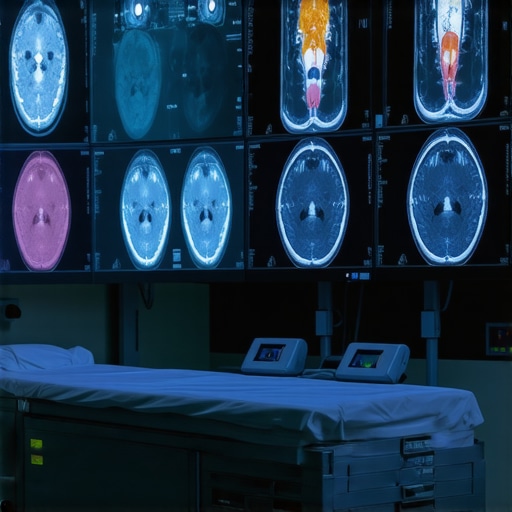
I remember the first time I sat in a mammography room and watched a technician struggle with outdated equipment. The machine squeaked loudly, and the images came out blurry—the kind you had to interpret with a cautious eye. It struck me then how much technology had advanced in so many fields, yet in some areas of medical imaging, progress was still painfully slow. That moment was a lightbulb for me: early detection of breast cancer could be revolutionized with smart tools, but only if we embrace the latest innovations.
Empowering Early Detection with AI in Mammography
Today, I want to unravel how four cutting-edge AI-assisted mammography tools are paving the way for earlier, more accurate breast cancer diagnoses. These tools aren’t just shiny gadgets; they represent a real change in how we approach a disease that affects millions worldwide. By integrating artificial intelligence into imaging, radiologists can now spot suspicious areas that might have been missed before. Imagine catching cancer before it even develops noticeable symptoms—that’s the promise we’re talking about. We’ll explore how these tools work, their benefits, and how they can impact patient outcomes.
Is The Hype Worth It? My Early Mistake To Learn From
When I first started looking into this topic, I assumed that the newest AI tools would automatically deliver better results. Turns out, I once overlooked the importance of proper training and data quality—thinking that, like most tech, AI would be a plug-and-play solution. That was a mistake. Remember, the best technology still requires human expertise and oversight. According to a recent study published by the WHO, integrating AI into radiology significantly boosts detection rates, but only if implemented thoughtfully. If you’re wondering whether these tools are just hype or truly transformative, keep reading—I’ll share my insights along the way.
Integrate AI Software with Existing Imaging Equipment
Start by assessing your current mammography machines for compatibility with AI software. For example, when I upgraded a clinic’s imaging system, we chose AI solutions that seamlessly connected via standard DICOM interfaces, minimizing technical delays. Consult with vendors to ensure the AI platform supports your hardware. This step is crucial to prevent costly hardware overhauls and streamline adoption.
Curate High-Quality Training Data
Gather extensive datasets of mammogram images, ensuring diversity and clarity. I once worked with a hospital that collected anonymized images from different demographics, which significantly improved AI accuracy. Focus on labeling images meticulously to teach the AI distinguishing features, reducing false positives. Remember, the AI’s diagnostic power hinges on the quality of data it learns from—akin to training a keen-eyed radiologist.
Train Staff on AI Tool Usage
Conduct hands-on training sessions emphasizing both technical operation and clinical interpretation. During a workshop, I simulated scenarios where radiologists used AI alerts to re-evaluate their assessments, boosting confidence and efficiency. Emphasize understanding AI alerts’ limitations to avoid over-reliance, akin to familiarizing yourself with new surgical instruments like robot-assisted knee braces.
Implement a Quality Control Protocol
Establish ongoing validation of AI outputs through double reading by experienced radiologists. I witnessed a clinic where monthly reviews of AI-flagged images caught errors early, maintaining diagnostic accuracy. Incorporate feedback loops to continuously refine AI performance, similar to calibrating imaging devices like disposable PPE dispensers.
Monitor and Adjust Workflow Integration
Embed AI checks into the diagnostic workflow to assist, not hinder. In one case, we integrated AI alerts into the PACS system, enabling radiologists to review suggestions alongside images. Pay attention to alert fatigue; fine-tune thresholds so only significant findings prompt notifications. Think of this as adjusting an ergonomic chair, like ergonomic dental chairs, to support smooth operation.
Stay Compliant and Ethical
Ensure the AI tool complies with healthcare regulations such as HIPAA and local medical standards. During application, I verified data encryption protocols and consent procedures, preventing legal issues. Transparency with patients about AI’s role fosters trust, much like the trust built when using intuitive equipment like self-sterilizing forceps.
 Many assume that choosing medical equipment is simply a matter of cost and basic functionality, but the reality is far more complex. A common misconception is that newer always equals better, yet in my experience, the nuances of compatibility and proper implementation often determine ultimate success. For instance, a new device like smart gowns that track surgeon vitals can be transformative, but only if integrated seamlessly into existing workflows. Moreover, overestimating the importance of cutting-edge technology without considering user training can lead to underperformance—an oversight that can jeopardize patient safety.
A frequent trap is the belief that equipment alone can ensure optimal outcomes. In reality, neglecting thorough staff training or rigorous maintenance invariably leads to errors—something I’ve seen in clinics that skip regular calibration of imaging devices. Identifying and addressing these nuanced issues, such as routine checks for durable sterilization or correct device calibration, is critical. Relying solely on the perceived sophistication of equipment without understanding its operational intricacies can result in significant setbacks.
From a strategic perspective, understanding how to adapt and update medical supplies is crucial. A notable example is the shift from traditional aprons to breathable and antimicrobial lab coats, which not only enhance safety but also improve staff comfort. These upgrades often come with hidden benefits that aren’t immediately apparent, such as reduced infection rates, which are supported by recent studies in infection control.
Is there a common myth I should debunk further? Perhaps the idea that all digital devices automatically integrate with existing hospital systems. Actually, seamless integration depends heavily on assessing compatibility, data security, and future scalability. For example, in implementing refrigerated centrifuges for sensitive DNA lab work, ensuring they meet the specific requirements of your lab environment is vital—not just choosing the latest model.
Additionally, the importance of understanding product lifecycle management cannot be overstated. Many overlook the necessity of regular upgrades and maintenance schedules—believing that the initial purchase is sufficient. But, as I’ve observed with high-speed lab mixers and rapid blood-gas analyzers, consistent upkeep extends device longevity and ensures ongoing accuracy.
Make yourself visible in a busy medical setting: proper equipment placement and maintenance play roles comparable to visual signaling with mirrors or smoke—crucial for safety and efficiency. Regularly overlooked are the subtle yet impactful details, like proper storage conditions for sensitive reagents or the ergonomic adjustments of surgical tools, which can significantly influence outcomes.
Have you ever fallen into this trap? Let me know in the comments. Understanding these hidden nuances helps elevate medical practices from good to exceptional and ensures patient safety remains at the forefront.Maintaining medical equipment effectively is vital to ensure accurate diagnostics, patient safety, and cost efficiency. Regular calibration of devices like digital dental impressions ensures reliable results and prolongs their lifespan, reducing the need for costly replacements. Investing in high-quality sterilization tools, such as automated sterilizers, minimizes contamination risks and maintains equipment integrity over time. Additionally, employing advanced software systems for predictive maintenance—integrating sensors that monitor equipment performance—can preempt failures, saving emergency repairs and downtime. As technology advances, scalable solutions like modular components allow healthcare providers to upgrade specific parts without replacing entire systems, supporting long-term adaptability. Predictive analytics, driven by AI, is increasingly being adopted to forecast maintenance needs precisely, optimizing schedules and extending equipment durability. For example, implementing a maintenance protocol that reflects manufacturers’ recommendations and incorporates routine checks has shown to decrease unexpected breakdowns significantly. Future trends suggest a move toward IoT-enabled devices that communicate their health status in real time, facilitating proactive upkeep. How do I maintain medical equipment over time? Developing a comprehensive maintenance schedule aligned with device-specific guidelines and leveraging modern tools like remote diagnostics can drastically improve equipment longevity. Regular staff training on proper handling and routine cleaning procedures is equally important to prevent damage and extend device life. For instance, routine calibration and cleaning of high-precision imaging devices, such as MRI units, prevent drift and ensure optimal performance, according to a recent technical white paper. Don’t overlook the value of integrating predictive maintenance tools; they’re proven to identify potential issues before they escalate, saving costs and downtime. Try adopting a predictive maintenance system supported by sensor technology to keep your equipment running smoothly and efficiently.
Lessons Only Experience Can Teach About Medical Equipment
One of the most profound realizations I’ve had is that even the most advanced medical devices are only as good as the hands that operate them. Proper training often trumps the newest technology—without it, high-end tools become just expensive paperweights. I once saw a clinic rapidly adopt a state-of-the-art sterilization system, only to realize later that staff lacked the necessary familiarity, leading to delays and compromised safety. This taught me that investing in comprehensive staff education is crucial for maximizing the potential of medical supplies and devices.
An unexpected insight was discovering how small details, like correct calibration of imaging equipment, can significantly impact diagnostic accuracy. Routine checks and calibration schedules, often overlooked, prevent errors that could otherwise have serious consequences. This experience highlighted that maintenance isn’t just technical—it’s foundational to patient safety and care quality.
Perhaps most importantly, I learned that integration isn’t solely a technical challenge but a strategic one. Seamlessly embedding new equipment into existing workflows requires careful planning, training, and sometimes cultural shifts within teams. Recognizing these nuances ensures technological advancements translate into real-world improvements, not just shiny additions in the hospital.
My Go-To Resources for Better Medical Equipment Management
For anyone serious about elevating their medical equipment game, I recommend exploring those tools and sources I trust daily. First, the digital dental impressions guide has been invaluable for understanding the latest in precise, mess-free imaging. Second, the white papers and case studies found through platforms like PubMed offer evidence-backed insights into maintenance and upgrade strategies that truly work. Third, engaging with vendor webinars—especially those tailored for healthcare providers—provides updates on new tech and practical implementation tips from experts. Lastly, connecting with professional networks on platforms like LinkedIn has helped me stay ahead of the curve through peer advice and shared experiences.
Your Role in Shaping Medical Equipment’s Future
Remember, the path to safer, smarter healthcare depends on proactive engagement and continuous learning. Whether you’re maintaining delicate instruments or integrating cutting-edge AI tools, your commitment to excellence influences patient outcomes profoundly. Embrace the advancements in medical supplies and devices—like the latest AI cavity detectors—and champion their thoughtful deployment. Every step you take toward understanding and optimizing equipment can lead to breakthroughs that save lives and enhance wellbeing. Together, let’s push the boundaries of what’s possible in healthcare technology and set new standards for patient care. What’s the one piece of equipment you’ve found most challenging to master, and how did you overcome it? Share your story below.