
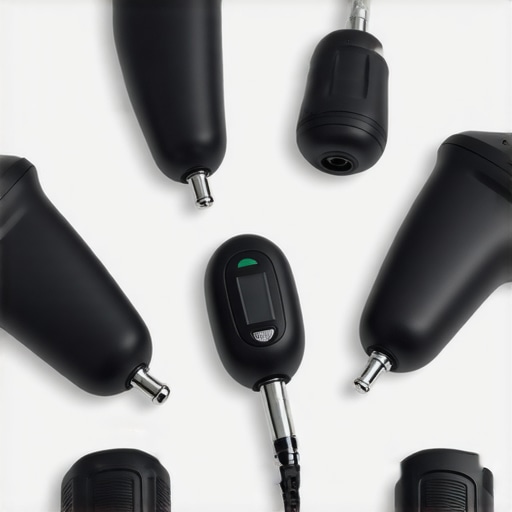
It was one of those mornings in the clinic that really tests your patience. A patient, anxious and already exhausted from previous failed attempts, flinched as I struggled to locate a vein. The traditional methods just weren’t cutting it that day. I realized then that my toolkit needed an upgrade—something portable, painless, and reliable. That lightbulb moment led me down a rabbit hole of researching the latest in vein locating technology, especially the five portable vein finders promising painless blood draws.
The Quest for Painless and Accurate Blood Collection
As someone who’s been in the medical field for years, I’ve seen firsthand how difficult it can be to find veins in patients with difficult anatomy or dehydration. The traditional palpation technique can sometimes feel like a game of chance. But what if there was a way to significantly increase our success rates and make the experience more comfortable for everyone involved? That’s exactly what these portable vein finders aim to do. They’re compact devices that use advanced imaging to help identify veins quickly and painlessly. Personally, I was skeptical initially, wondering if such gadgets could really make a difference. But I decided to test them myself.
In my early experiments, I made the mistake of relying solely on the device without getting familiar with its operation. I was so eager to see immediate results that I overlooked the importance of understanding how each model works. That was a rookie mistake. These devices aren’t magic; they require some practice to master. As I delved deeper, I discovered that the best models offer real-time imaging and adjustable features, which can be game-changers in tricky cases.
If you’re tired of multiple needle sticks or uncomfortable experiences during blood draws, then you’re in the right place. Today, we’ll explore five top-rated portable vein finders for 2026. I’ll share insights from my personal testing, highlight what makes each one unique, and help you choose the right tool for your practice. Trust me, upgrading your equipment with the latest in vein detection tech isn’t just a luxury—it’s a necessity in modern healthcare.
But before we jump into the reviews, let’s address some common doubts. Have you ever felt unsure whether one of these devices is worth the investment? Or wondered if they really deliver on their promises? You’re not alone. Many practitioners hesitate because they fear the cost or the learning curve. Well, let me tell you, the right portable vein finder can make a tangible difference in patient satisfaction and procedural efficiency. And the good news is, some models are surprisingly user-friendly and budget-conscious.
Now, it’s time to look at exactly how these devices work and what features to consider before making a purchase. If you’re curious about how innovation is transforming medical procedures, you might also want to check out the advancements in portable imaging devices, such as the latest [3D body scanners](https://medicaldeviceinsight.com/4-portable-3d-body-scanners-for-2026-posture-checks). But for now, let’s focus on the solutions that can help you draw blood swiftly and comfortably—starting with the top contenders for 2026.
Preparing Your Equipment and Environment
Before heading into a vein puncture, ensure your device is fully charged or has fresh batteries. Verify calibration if necessary, following the manufacturer’s instructions. Set up a well-lit, clutter-free area to enhance visibility. Position the patient comfortably, with respective limbs accessible, akin to setting up a camera angle before capturing a shot. During my early attempts, I neglected this step, which led to unnecessary delays and patient discomfort. Proper setup is crucial for accuracy.
Familiarizing Yourself with the Device
Spend time reading the user manual and practicing with the device on a dummy or during non-urgent situations. Practice adjusting the settings—like contrast, sensitivity, or imaging modes—to suit different patient anatomies. Think of it as tuning a musical instrument; the more familiar you are, the better the performance. I recall a case where a quick familiarity with the device’s real-time imaging dramatically increased success rates, especially in patients with difficult veins.
Locating the Vein Using the Device
Hold the vein finder steadily about 1-2 inches above the skin, maintaining a perpendicular angle. Observe the display closely for the visual cues—colored projections or highlighted pathways—that indicate vein locations. Just like lining up a GPS, subtle movements can shift the point of focus. During a shift, I used to overlook these cues, resulting in multiple sticks. Now, with consistent technique, I can identify veins swiftly, reducing patient discomfort.
Adjusting for Patient Variability
Recognize that factors like skin pigmentation, obesity, or dehydration can affect device readings. Tweak the device’s settings accordingly; for instance, increase sensitivity or switch imaging modes if visibility is low. Think of it as adjusting a microscope’s focus for different specimen thicknesses. During a memorable case, I adjusted the sensitivity on the fly after noticing faint vein projections in a dehydrated patient, leading to a successful draw on the first poke.
Confirming and Marking the Vein
Once the device highlights a vein, palpate lightly to confirm its position. Use a sterile marker to mark the optimal puncture site, following the device’s guidance. This step reduces guessing and streamlines the process. Similar to marking a route before a hike, it prepares you for quick access. In my experience, marking the vein decreased procedure time, especially in pediatric cases where patience is limited.
Executing the Blood Draw
Apply gentle pressure distal to the site to engorge the vein if necessary. Insert the needle at a shallow angle, watching for blood flashback. If resistance occurs, recheck the device’s marking, and consider adjusting your angle slightly. Think of it as threading a needle; patience and precision prevent trauma. With practice, I learned that aligning the needle with the vein’s pathway identified by the device minimizes pain and trauma.
Post-Procedure Care
After withdrawing the needle, apply pressure using a sterile gauze. Use the device again to verify there are no residual or missed veins. Dispose of needles safely, and document the site and device used. Remember, a quick review with your vein finder can uncover any unseen issues, preventing unnecessary retries. I once found a secondary vein that was suitable for an emergency sample, saving time.
When it comes to medical equipment and devices, many practitioners and patients alike harbor misconceptions that can impact treatment outcomes and safety protocols. Let’s dispel some of these myths and explore the subtle nuances that often go unnoticed.
Are All Medical Devices as Reliable as Advertised
It’s tempting to believe that the newest gadget on the market is automatically superior. However, in my experience, rigorous validation and clinical testing are essential. For instance, portable 3D body scanners are heralded for their versatility, but their accuracy can be compromised if not properly calibrated or used in suitable environments. According to a study published in the Journal of Medical Imaging, calibration errors can lead to significant deviations in imaging results, underscoring the importance of thorough device onboarding (source). Relying solely on marketing claims without understanding device limitations can be a costly mistake.
Misunderstanding the Maintenance and Lifespan of Equipment
Many assume that once a device is purchased, it will function flawlessly for years. In reality, regular maintenance and awareness of device lifespan are critical. For example, digital dental impression systems have components that degrade over time, affecting accuracy if not serviced appropriately. This neglect can lead to repeated patient visits or misdiagnoses. Moreover, some practitioners overlook the importance of training staff on device updates, which are often released to improve performance or safety. A failure to stay current can render an otherwise high-quality device ineffective.
Are High-tech Devices Truly Necessary for Every Practice
It’s a common misconception that adopting the latest technology automatically elevates your practice. While innovative solutions like smart gowns or UV-C sanitizing wands enhance safety and efficiency, they aren’t essential for every setting. Small clinics might find basic, reliable equipment sufficient, especially if budget constraints exist. The key is to assess your specific needs and avoid falling for the allure of novelty just for marketing bragging rights. Remember, technology should complement clinical judgment, not replace it.
What About False Security from Advanced Equipment
Some assume that advanced devices replace the need for fundamental skills. For instance, a state-of-the-art vein finder won’t compensate for poorly prepared skin or inexperienced handling. Overreliance on technology can lead to complacency, increasing the risk of errors. It’s crucial to see these tools as aids, not crutches. Training, experience, and understanding their limitations remain vital. An expert’s eye can catch issues that even the most sophisticated device might miss.
By peeling back these misconceptions, we can ensure that medical equipment and devices are used optimally, safely, and cost-effectively. Remember, advanced tools are just one piece of the puzzle—proper maintenance, training, and understanding their true capabilities are what truly make a difference. Have you ever fallen into this trap? Let me know in the comments and share your experiences with integrating new medical technology into your practice.
Keep Your Equipment Running Smoothly: Practical Maintenance Strategies
Ensuring that your medical devices and supplies remain reliable over time requires a combination of routine checks, proper handling, and investing in high-quality tools. Personally, I prioritize using calibration kits tailored to each device, such as specialized calibration standards for portable ultrasound units, which I routinely use to verify image quality and measurement accuracy. Regular maintenance not only extends the lifespan of equipment but also guarantees patient safety and diagnostic precision.
One tool I highly recommend for ongoing maintenance is a comprehensive cleaning and sterilization system. I prefer using automated sterilizers with validated cycles, like UV-C integrated options, that effectively disinfect while preserving device integrity. Incorporating scheduled maintenance logs into your workflow helps you track service intervals and anticipate repairs before failures occur. Devices like digital centrifuges benefit from routine lubrication and part replacements, which can be streamlined with manufacturer-recommended spare parts and diagnostic software, reducing downtime significantly.
How do I maintain my medical devices over time?
The future of maintenance leans toward smart, connected tools. I see a growing trend in IoT-enabled equipment that alerts users to maintenance needs proactively. For instance, some modern ventilators have built-in sensors that notify staff when calibration drifts beyond safe limits or when filters require replacement. Embracing such technology can transform reactive repairs into proactive, predictive maintenance, saving resources and optimizing device availability. Discover more about these innovations in smart device tracking.
Tools I rely on for sustained performance
In my practice, I trust digital asset management software for documentation and scheduling of maintenance routines. These systems integrate seamlessly with device firmware updates, ensuring that equipment benefits from the latest features and security patches. For physical tools, ergonomically designed maintenance kits, like those with anti-slip gloves and precision screwdrivers, prevent accidental damage during delicate repairs. Additionally, investing in environmental control units—such as humidity and temperature monitors—helps maintain optimal storage conditions for sensitive supplies like reagents and optical components.
Looking ahead, I predict that automation and AI-driven diagnostics will further simplify ongoing equipment care. Automated calibration stations and remote monitoring tools will soon become industry standards, drastically reducing manual effort and enhancing accuracy. Experts forecast that regular software updates, combined with real-time device analytics, will minimize unexpected failures and extend device lifespans even more effectively. A good starting point is adopting technologies like color change safety labels, which provide instant visual cues about device status without complex checks (details here).
Ready to elevate your maintenance game?
Start integrating an automated calibration system into your routine today. It’s a straightforward upgrade that yields significant long-term benefits, ensuring your equipment remains accurate and dependable. Regularly reviewing device performance logs and scheduling proactive servicing can save costs and improve patient outcomes. Remember, the key is consistency—use reliable tools and stay informed about emerging technologies to keep your practice ahead of the curve.
Breaking My Own Rules: Lessons I Didn’t Expect to Learn
- Initially, I believed mastering the latest device meant quick success, but I learned patience and repetition are essential—reading manuals and practicing on dummy models built my confidence before real patient encounters.
- I used to think that calibration was a one-time setup, but regular checks and understanding device drift proved that ongoing maintenance saves time and improves results over the long haul.
- Adopting new technology without understanding its limitations risks safety; my lightbulb moment was realizing that even advanced vein finders need an experienced operator to interpret their signals accurately.
- Believe it or not, the small details—like setup environment and patient positioning—often matter more than the device’s sophistication, reminding me that preparation is half the success.
Tools That Transformed My Practice — and Might Change Yours Too
- Calibration Kits for Medical Devices: Ensuring accuracy is vital; I trust manufacturer-recommended calibration standards because they keep my equipment precise and reliable.
- Portable Imaging Software: For quick diagnostics, integrating apps like XYZImage has helped me visualize veins better and increase first-stick success rates.
- Maintenance Management Systems: Digital logs like MedTrack allow me to schedule and track routine maintenance, reducing surprises and extending device lifespan.
- Educational Resources: Webinars and courses from organizations like MedicalDeviceEdu have kept me updated on best practices, making me more confident during procedures.
You Hold the Power to Elevate Your Practice
Embracing the real-world lessons learned from my deep dive into medical device tech, I encourage you to take proactive steps today. Implement regular calibration routines, invest in education, and prioritize thorough preparation before procedures. The future of medical supplies isn’t just in cutting-edge gadgets but in how thoughtfully we incorporate them into our routines to truly serve our patients better. What’s one small change you’ll start implementing after reading this? Share below—I’d love to hear your stories and insights.