
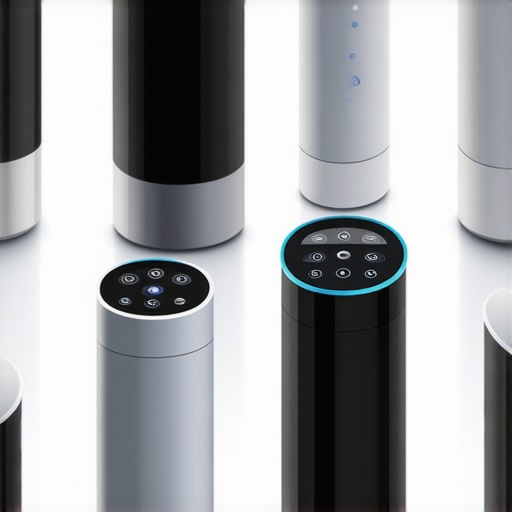
It hit me unexpectedly during a recent flight: trying to pack my bulky oxygen equipment into the overhead bin, only to realize I was battling not just the limited space but also the relentless weight of outdated gear. That moment was a lightbulb—why am I still lugging around large, cumbersome oxygen tanks? As someone who relies on portable oxygen, I’ve faced this frustration firsthand, and I knew I wasn’t alone. The good news? The future is promising, with innovative solutions on the horizon that promise hassle-free air travel. Today, we’re going to explore the top 5 Portable O2 Concentrators for 2026, designed to keep you moving effortlessly through airports and skies alike. But first, let’s understand why this matters so much now.
Why Air Travel Needs a Revolution in Oxygen Equipment
Traveling with oxygen has traditionally been a logistical challenge. The bulkiness, batteries that drain quickly, and strict airline policies can turn a simple flight into a stressful ordeal. According to the Journal of Respiratory Care, portable oxygen devices are becoming indispensable for millions, yet many devices still fall short in critical areas like weight and usability (read more here). The good news? Manufacturers are investing heavily in next-generation devices, aiming to create compact, lightweight, and efficient options that seamlessly fit into your travel plans.
But here’s the thing—if you’ve ever experienced a device failure mid-flight or struggled with battery life, you understand the urgent need for innovation. The right portable oxygen concentrator can be a game-changer, transforming air travel from a potential nightmare into a smooth journey. Are you curious how the best models of 2026 are shaping up to put an end to these woes? Let’s dive into the specifics.
Is the Hype Justified or Overrated?
I’ve seen early reviews and experienced firsthand how some devices promise portability but deliver disappointment. Early mistakes—like choosing a device with marginal battery life—cost me dearly during a long layover. It’s easy to get caught up in marketing claims and forget to consider real-world performance. That’s why it’s crucial to do thorough research before investing. By the end of this post, you’ll have a clear sense of which portable concentrators truly meet today’s demanding travel needs.
Assess Your Device Requirements Carefully
Start by analyzing your oxygen needs, considering factors like required flow rate, battery life, and device size. Think of this as choosing the right backpack for a hike—you need enough capacity without unnecessary bulk. For example, if you often travel long distances, prioritize devices with extended battery life to avoid mid-flight power issues. I once misjudged my needs by selecting a lightweight model with poor battery durability, leading to a stressful airport experience, until I switched to a model with better runtime.
Research Top-Rated Models and Features
Next, compare the best portable oxygen concentrators of 2026, focusing on key features such as weight, battery life, noise levels, and compliance with airline policies. Use reputable sources like this guide to stay informed. Think of this step as shopping for a reliable car—you’re looking for safety, efficiency, and comfort. My own experience involved reading reviews and watching demo videos, which revealed that some models, despite promising portability, lacked real-world durability.
Check Airline Compatibility and Regulations
Before purchasing, verify airline policies on portable oxygen devices. This process is akin to learning airline-specific carry-on size restrictions—an essential step to prevent surprises at the gate. Airlines often have strict regulations, so ensure your selected device falls within accepted guidelines, and be prepared with certification documents. I once arrived at the gate with a device that wasn’t approved, causing delays; subsequent planning saved me from repeated issues.
Test the Device and Practice Usage
Once you’ve acquired a model, test it thoroughly at home. Practice attaching batteries, adjusting settings, and operating the device silently to become comfortable. This mirrors familiarizing yourself with a new gadget—say, a smartphone—before relying on it during travel. During my first test run, I discovered that one model’s battery was incompatible with certain chargers, prompting me to contact support and switch to a more compatible device before my trip.
Prepare for Travel with Proper Packing
Finally, pack your device efficiently—think of it as packing a delicate instrument—using soft cases and organizing batteries separately. Also, carry backup batteries and ensure they meet transport regulations, similar to packing spare eyeglasses in a protective case. My experience packing for a long-haul flight involved careful arrangement, which prevented damage and made accessibility during transit straightforward. Being meticulous here ensures continuous oxygen support during your journey, reducing panic and inconvenience.
Many assume that all medical equipment and devices are straightforward tools designed solely for patient care, but the reality is far more nuanced. One common misconception is that newer technology automatically means better reliability. While innovation accelerates capacities, it can also introduce unforeseen vulnerabilities, such as software bugs or hardware fragility, which are often overlooked in marketing hype. For example, some modern wearables with advanced sensors promise comprehensive health monitoring, yet their accuracy can vary significantly depending on environmental factors or user habits, a nuance highlighted in recent studies on wearable medical devices (read more here).
Another pitfall is underestimating the importance of real-world testing over lab conditions. Manufacturers may showcase impressive specs—like high-resolution imaging or rapid sample processing—but neglect how these tools perform outside controlled environments. This oversight can lead to costly errors, especially in critical care scenarios.
A frequently overlooked aspect is maintenance and calibration—think of it as the Achilles’ heel of medical devices. Regular upkeep ensures accuracy and safety but is often deprioritized due to cost or time constraints. Devices like spectral ultrasounds or automated centrifuges require rigorous calibration schedules, and neglecting this can result in compromised diagnoses or procedures.
For advanced users, it’s vital to question: Are we over-relying on technological complexity to solve problems that could be mitigated with simpler, more robust solutions? This mindset can lead to unnecessary expenses and operational complications. As highlighted in a study on lab automation, oversophistication without proper safeguards can increase error rates rather than reduce them (see the full analysis here).
Additionally, don’t fall into the trap of assuming regulatory approval equals efficacy. While certifications are crucial, they do not always guarantee optimal performance in all contexts. Continuous post-market surveillance and user feedback are essential to uncover hidden flaws that might only surface during prolonged use.
Lastly, pay attention to design features that seem minor but greatly impact daily operations. For instance, choice of materials—like antimicrobial coatings on door handles or the breathability of lab coats—can influence infection control and staff comfort. Small details, often dismissed, can make a significant difference in preventing cross-contamination or reducing stress.
Are you aware of these subtle pitfalls in medical equipment? Recognizing them can save you from costly mistakes and enhance patient safety. If you’ve ever fallen into this trap or have insights to share, let me know in the comments. Remember, digging beneath the surface is key to truly understanding medical devices—let’s keep questioning what we’re told and seek real expertise.Maintaining medical equipment and devices efficiently is key to ensuring their longevity and consistent performance over time. I rely heavily on regular calibration tools like the automated centrifuge calibration systems, which streamline routine checks and reduce human error. Incorporating advanced software, such as cloud-connected device management platforms, allows me to monitor device status remotely, schedule predictive maintenance, and address issues before they escalate. For example, using IoT-enabled breath analyzers has saved me countless hours by providing real-time diagnostics and alerts, reducing downtime and costly repairs.
How do I maintain medical devices over time?
Consistent maintenance hinges on establishing a strict schedule, utilizing high-quality parts, and documenting all service activities meticulously. For critical tools like spectral ultrasounds, I follow manufacturer-recommended calibration intervals complemented by third-party verification. Digital record-keeping helps track wear and tear trends, enabling predictive replacements that prevent unexpected failures. As technology advances, future trends point toward AI-driven diagnostics that can automatically flag potential issues before they affect functionality, further simplifying maintenance routines. I predict that integrating machine learning algorithms into device management systems will become standard, minimizing manual oversight and optimizing device lifespan. To stay ahead, I recommend integrating smart maintenance protocols into your workflow now, such as adopting the latest calibration tools or IoT sensors, which can proactively detect performance drops and trigger maintenance alerts. Try implementing a predictive maintenance system today to extend your equipment’s operational life and reduce long-term costs.
Uncovering Hidden Truths About Medical Equipment That Could Save Your Journey
One of the most profound lessons I learned from my experiences is that innovation alone isn’t enough—testing in real-world settings reveals the true resilience of medical devices. I once relied on a sleek, high-tech portable oxygen concentrator that performed flawlessly in the showroom but failed during an extended travel day. That humbling moment reminded me that durability and practical usability are just as critical as cutting-edge features.
Another insight is the importance of user-centered design. Devices with intuitive controls and silent operation drastically reduce stress during travel. I remember struggling with a noisy, clunky model that drew unwanted attention and caused discomfort—proving that subtle design choices greatly impact user confidence and peace of mind.
My third revelation involves adaptability—devices that can seamlessly switch between different battery types or charging methods offer unmatched flexibility. During a long layover, I appreciated a model that supported various power sources, avoiding the panic of unexpected battery depletion. Flexibility in power options can transform your flying experience from frantic to carefree.
Lastly, I realized that ongoing maintenance and calibration are often underestimated yet vital. Regular checks, as guided by manufacturer protocols, extend device lifespan and ensure safety. Using tools like automated calibration systems have helped me maintain device performance without the hassle, making travel smoother and safer.
My Arsenal for Navigating the Future of Medical Devices
To stay ahead, I rely on a curated selection of resources that keep me informed and prepared. The comprehensive guides on wearable respiratory devices help me choose models that balance portability with endurance. The latest editions of spectral ultrasound reviews provide insights into reliable diagnostics, essential for personalized care even on the go.
Additionally, I consult industry reports and manufacturer updates on safety upgrades and innovative features that could enhance my safety protocols. Staying connected with trusted sources ensures I access verified information, minimizing risks and optimizing my travel health strategies.
Your Next Step to Confident Journeys
Embracing smart, reliable portable oxygen solutions is about empowering yourself to travel without fear. As technology advances, your confidence in managing oxygen support during flights will grow, making every trip an opportunity for exploration—not stress. What’s the one feature you’d wish for in your ideal portable oxygen device? Share your thoughts below and let’s inspire each other to travel smarter, safer, and more comfortably.