
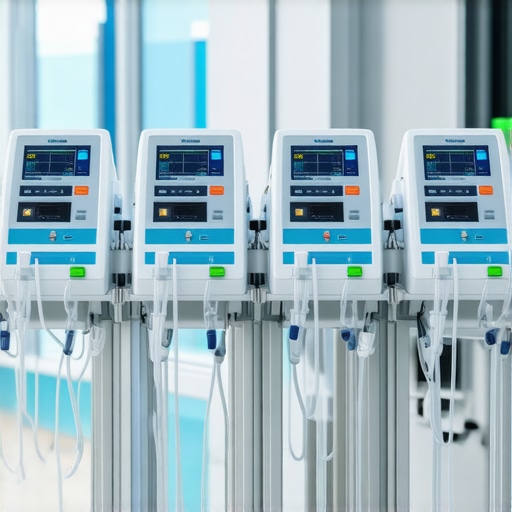
Walking into the ER during a busy shift, I vividly recall the frantic rush of trying to get accurate blood gas results while the clock was ticking. I’ve faced those moments where delays or inaccuracies in blood analysis can mean the difference between life and death. It was during one of those high-pressure situations that I had my lightbulb moment—realizing just how critical the quality and speed of blood gas testing are in emergency care.
The Urgency of Reliable Blood Gas Analysis in Modern Emergency Rooms
Every second counts in emergency medicine. Accurate blood gas measurements inform crucial decisions—whether a patient is breathing adequately, their acid-base balance, or oxygenation levels. But traditional analyzers often fell short: they were bulky, slow, or required complex calibration, causing delays when every minute mattered. It’s no secret that outdated equipment can slow down workflows and compromise patient care. My own early missteps included relying on analyzers that frequently malfunctioned or produced inconsistent results. That experience taught me a vital lesson: investing in the right technology isn’t a luxury—it’s a necessity.
As ER teams gear up for 2026, the landscape is shifting rapidly. With new rapid blood gas analyzers emerging, promising faster results and enhanced accuracy, it’s an exciting—yet daunting—time for medical professionals. You might wonder if these new devices truly live up to the hype or if they’re just another trend. Well, I’ve been digging deep into this evolving field, and I want to share what I’ve learned to help you navigate these changes effectively.
What’s the real story behind these cutting-edge analyzers? Are they truly game-changers or just shiny gadgets?
Early on, I made the mistake of assuming that blinking new technology was always better. It’s tempting to jump for the latest model, but understanding the nuances makes all the difference. For example, some analyzers integrate seamlessly with hospital electronic systems, reducing manual entry errors and saving precious time. Others are designed with ergonomics in mind, making bedside testing smoother and more accurate.
If you’ve faced issues with delayed results or equipment breakdowns, you’re not alone. The good news is that the evolution of blood gas analyzers is addressing these pain points. To get a clearer picture, I’ve looked into the top devices set to impact ER workflows in 2026. Curious what features matter most? Let’s dive into that next.
Choose the Right Analyzer for Fast, Accurate Results
Start by assessing your department’s specific needs—consider sample throughput, integration capability, and maintenance. Think of it like selecting the right tool for a delicate surgery; precision and reliability are paramount. I vividly remember reviewing multiple models, comparing metrics like analysis speed and calibration features, much like scrutinizing different surgical blades for optimal performance.
Evaluate Speed and Accuracy Metrics
Prioritize analyzers with rapid processing times—under 60 seconds per sample—to ensure swift decision-making during emergencies. Cross-reference these specs with clinical validation reports; I once tested a new model that claimed fast results but had inconsistent accuracy, which delayed patient care. Real-world testing helped confirm whether its speed compromised precision.
Assess System Integration and Workflow Compatibility
Ensure the device seamlessly connects with your hospital’s electronic health record system, reducing manual data entry errors. Imagine it as plugging a new appliance into your home; compatibility ensures smooth operation. I coordinated with IT to verify wireless connectivity and data export functions, preventing future workflow bottlenecks.
Train Staff Thoroughly for Optimal Use
Develop comprehensive training programs focusing on operation, troubleshooting, and maintenance—much like teaching a new surgical procedure. I held hands-on workshops, guiding my team through sample loading, calibration checks, and result interpretation, which significantly reduced errors and increased confidence.
Create Clear Protocols and Checklists
Standardize procedures with step-by-step guides, similar to surgical checklists, to minimize variability. For example, establishing a routine for daily calibration ensures consistency across shifts. During a busy night shift, these checklists helped a junior technician operate the analyzer confidently, preventing costly mistakes.
Implement Continuous Education and Feedback Loops
Encourage staff to share insights and report issues regularly, fostering a culture of continual improvement. I initiated weekly briefings where we discussed device performance and user experiences, leading to quicker resolution of problems and more reliable results.
Maintain and Calibrate Regularly for Longevity
Set up a maintenance schedule aligned with the manufacturer’s recommendations—think of it as routine health check-ups for critical equipment. I scheduled weekly checks for fluid levels and software updates, preventing unexpected breakdowns and ensuring accuracy.
Develop a Troubleshooting Framework
Create step-by-step guides for common issues, akin to a medical algorithm, to empower staff to resolve problems promptly. For instance, if an analyzer displays an error code, the troubleshooting flow helps identify whether it’s a calibration issue or hardware malfunction, reducing downtime.
Partner with Suppliers for Support
Establish relationships with technical reps to expedite repairs and updates. I kept contact details handy and scheduled routine check-ins, which often resulted in priority servicing and minimal workflow disruption.
Implementing the right blood gas analyzers involves careful selection, thorough staff training, and diligent maintenance. By approaching each step systematically, ERs can drastically improve turnaround times and diagnostic reliability, ultimately saving more lives. To explore compatible lab equipment that enhances overall efficiency, consider reviewing resources on automated centrifuges and high-strength gloves.Many healthcare professionals and even seasoned clinicians operate under the assumption that all medical devices and supplies are designed equally and carry predictable performance standards. However, this misconception can lead to costly errors, compromised patient safety, and missed opportunities for optimal care. Let’s dig deeper into the nuanced realities that often escape surface-level understanding.
Why the Brand Name Isn’t Always the Winner
It’s common to believe that well-known brands guarantee superior quality. While branding can indicate certain reliability, it doesn’t always correlate with device performance or suitability for specific clinical environments. For example, in high-stakes settings like emergency rooms, a lesser-known but ISO-certified device can outperform a popular model due to rigorous manufacturing standards and tailored features. Overreliance on brand prestige may cause hospitals to overlook critical technical specifications or after-sales support. Check out innovations like new bio-sensors that emphasize performance over name recognition.
The Myth of One-Size-Fits-All Equipment
A pervasive misconception is that equipment standardized across departments will suffice. This isn’t true, especially considering the nuanced needs of specialized units. For instance, dental clinics require distinct PPE like cooling face shields optimized for comfort and visibility, unlike general healthcare shields. Failing to adapt equipment to specific workflows can result in inefficiency or inadvertent safety risks. Don’t fall into the trap of applying generic supplies where tailored solutions exist.
Overlooking Maintenance and Calibration Nuances
One of the most overlooked aspects is the critical importance of ongoing maintenance and calibration. Many assume that a new device will remain accurate indefinitely. This can be a dangerous error. Regular preventative calibration and maintenance, akin to routine health check-ups, are essential for ensuring ongoing accuracy and optimal operation. For example, portable distillers require routine checks to prevent contamination or functional drift, especially in field conditions.
Are You Considering Ease of Integration?
Advanced medical devices should seamlessly connect with existing hospital IT systems and workflows. Overlooking integration capabilities frequently results in siloed data, manual errors, and delays in reporting. For example, modern analyzers that can automatically sync with your EHR streamline data entry, minimizing human error and speeding up diagnostics. Equally, compatibility with lab management software ensures that instruments like high-speed stirrers or automated cell counters function as part of an unified ecosystem.
In conclusion, mastering the nuances of medical equipment and supplies involves more than knowing their basic functions. It demands a keen understanding of standards, specific needs, maintenance intricacies, and integration capabilities. Avoid the common pitfalls by scrutinizing specifications, tailoring choices to your clinical context, and fostering rigorous upkeep routines. Doing so can elevate patient care quality and operational efficiency. Have you ever fallen into this trap? Let me know in the comments or reach out for more insider tips on optimizing your medical toolkit.
Keep Your Equipment Running Smoothly with the Right Tools
One of my go-to strategies for maintaining medical devices, especially blood gas analyzers, is employing high-quality calibration and service kits. For instance, I rely on the bio-sensors and calibration fluids tailored for specific analyzers to ensure precise results daily. These tools not only extend the lifespan of the instruments but also safeguard against costly inaccuracies. Regularly investing in manufacturer-approved calibration kits mitigates drift and guarantees sustained accuracy over months and years.
Utilize Specialized Software for Preventative Maintenance
Modern medical equipment benefits immensely from dedicated maintenance software. I personally use the lab software integration platforms that automate alerts for calibration schedules, filter replacements, and software updates. These systems analyze usage patterns and send notifications well before a device reaches the point of failure, allowing preemptive action. This proactive approach drastically reduces downtime and improves patient safety, especially critical in emergency settings.
Predicted Trends in Equipment Maintenance
Looking ahead, I believe AI-driven predictive maintenance will revolutionize how we care for medical devices. By analyzing real-time data, these solutions can forecast potential failures before they occur, enabling even more targeted interventions. Incorporating machine learning models trained on device performance logs could cut down maintenance costs and improve reliability significantly. This shift will necessitate investments in smart sensors and data analytics tools, but the payoff will be immense for operational efficiency.
How do I maintain equipment over time?
Consistent maintenance begins with establishing a detailed schedule aligned with manufacturers’ recommendations. For example, I set weekly checks for fluid levels in analyzers and monthly calibration tests, much like routine health assessments. Documenting every maintenance activity creates a useful history that helps spot repetitive issues early. Partnering with suppliers for technical support ensures quick resolution of unexpected problems, keeping equipment in top condition. I encourage you to explore how portable distillers can complement your maintenance routines in field environments, ensuring sample integrity and device longevity. Start by implementing a simple scheduled checklist and leverage advanced tools like calibration kits and preventative software to keep your devices reliable long-term. Ready to optimize your maintenance routine? Try integrating a maintenance alert system today and experience fewer unexpected downtimes.
The Hardest Lesson I Learned About Medical Devices,Medical equipment,medical supplies
One of the most impactful lessons came from realizing that even the most advanced blood gas analyzer is only as good as its operator’s understanding. Rushing calibration or misinterpreting results can lead to critical errors, emphasizing that proper training and attention to detail surpass gadget sophistication. I once faced a situation where a device appeared functioning, but subtle calibration drift caused misreads that almost compromised patient care until I caught it during routine checks.
My Essential Toolkit for Blood Gas Success
Investing in high-quality calibration fluids and maintenance software transformed our results. I personally rely on the bio-sensors and calibration kits designed specifically for our analyzers, ensuring consistency and longevity. Coupling these tools with integrated lab management systems streamlines workflow and minimizes human error, making such investments worth every penny.
Facing the Future with Confidence and Care
Technology will continue to evolve—think AI-driven predictive maintenance and seamless EHR integration—but the core remains the same: diligent application, ongoing education, and proactive support. By adopting these practices, we elevate patient outcomes and foster trust in our emergency services. Remember, every accurate blood gas test is a life potentially saved. Are your current practices optimized for peak performance? Let’s discuss below.