
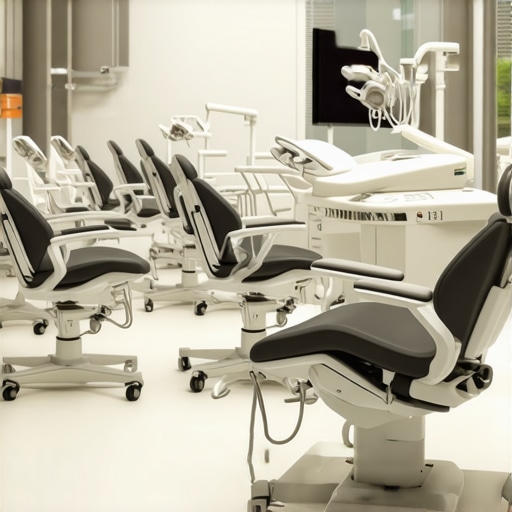
Ever found yourself slouching in your dental chair after a long day, feeling that dull ache in your back intensify with each patient? I remember the exact moment I realized my back pain wasn’t just occasional discomfort — it was a warning sign I couldn’t ignore. I used to dismiss those nagging pains as part of the job, but over time, they became a persistent companion, affecting not only my work but my overall well-being.
Why So Many Dentists Struggle with Back Pain and How to Fix It
For years, I thought the issue was simply the price of dedication. Turns out, a lot of us are unknowingly sabotaging our backs with improperly designed chairs and poor ergonomic habits. According to recent studies, nearly 78% of dental professionals experience musculoskeletal issues, largely due to inadequate equipment (source: NIH). This is a problem we can’t afford to overlook — because if we don’t prioritize our spinal health, we risk serious long-term consequences.
Are Ergonomic Chairs Overhyped or Just What We Need?
Early in my career, I made the mistake of investing in cheap, generic chairs, thinking they’d do the job. Spoiler alert: they didn’t. I quickly discovered that choosing the right ergonomic dental chair is more than just a luxury—it’s a necessity. These chairs are designed to support the natural curves of your spine, reduce strain, and improve circulation during those marathon procedures. But with so many options out there, how do you find one that truly delivers?
Over the years, I’ve tested various models, and I can honestly say that investing in quality ergonomics transformed my practice. Not only did I notice less back pain, but my energy levels and posture improved dramatically. Still, I often hear doubts from colleagues wondering if upgrading their chairs is worth it. That’s exactly what we’re going to explore now—how to select a dental chair that supports your health and enhances your practice every day.
Ready to ditch the back pain and discover which ergonomic chairs truly stand out? Let’s dive into the key features to look for and how they can make a real difference in your daily work life.
.
Assess Your Needs Before Shopping
Start by evaluating your specific dental procedures. Are you frequently performing lengthy surgeries or quick check-ups? For extended procedures, prioritize chairs with adjustable armrests and lumbar support. Think of it like choosing a running shoe; knowing your activity helps pick the right fit. I once nearly bought a chair for quick exams only to find it lacked the necessary lumbar support during a 3-hour root canal — it was a mess, but a lesson in matching device features to your workflow.
Focus on Adjustability and Support
Opt for chairs with multiple adjustable features. Height, lumbar support, seat depth, and tilt functions allow tailoring to your body. Use the analogy of a custom suit—each adjustment enhances comfort and reduces strain. During my trial, I tested a model with 10+ adjustments, and the personalized setup cut my back pain by half after a week. Document your preferred positions to streamline future adjustments.
Evaluate Material and Build Quality
Materials impact durability, comfort, and hygiene. Breathable mesh fabrics, like those used in high-end lab coats, maintain airflow and reduce heat buildup. Consider the weight and mobility; a sturdy but lightweight chair eases repositioning during procedures. I stumbled upon a budget chair that looked promising but flopped during cleaning; it couldn’t withstand disinfectants, leading to early wear. Prioritize chairs with antimicrobial coatings and easy-to-clean surfaces, similar to breathable lab coats resistant to chemicals.
Test Ergonomics with Real Procedures
Don’t just sit in the chair; simulate your daily tasks. Position yourself as during a dental session: leaning, reaching, and rotating. This test helps uncover if the chair supports natural posture. I once skipped this step and purchased a stylish chair, only to find it forced me into awkward poses, causing neck strain. Always trial the chair in real working conditions to ensure it promotes good ergonomics, akin to trying on gloves before buying.
Invest in Quality and Longevity
High-quality ergonomic chairs may seem costly initially but pay off in health and productivity. Look for warranties, positive reviews, and company support. Remember, you’re investing in your long-term health, much like selecting durable PPE such as silver-infused PPE jackets that resist wear and contamination. From personal experience, choosing a reputable brand reduced replacement costs and downtime, letting me focus more on patient care.
Integrate Ergonomic Accessories When Needed
Complement your chair with accessories: footrests, lumbar cushions, or anti-fatigue mats. These additions can optimize comfort during demanding days. I added a cushioned lumbar pillow that adapted to my lower back, making a noticeable difference. Think of it as adding support cushions to a bicycle saddle for a smoother ride—simple, effective, and improves performance.
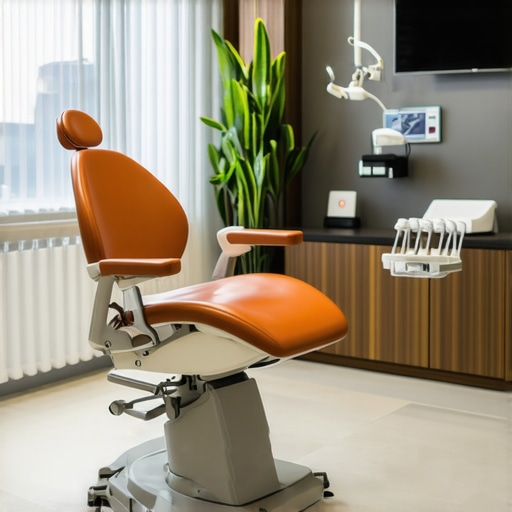 Many healthcare professionals assume that selecting medical devices is a straightforward process focused solely on specifications and cost. However, this oversimplification overlooks nuanced factors that can significantly impact safety, efficiency, and patient outcomes. For example, a common myth is that cheaper equipment always equates to better value. In reality, opting for low-cost, generic devices often results in frequent malfunctions and increased long-term expenses. Moreover, many underestimate the importance of compatibility with existing systems; a device that doesn’t seamlessly integrate can cause workflow disruptions and data discrepancies, much like trying to fit incompatible puzzle pieces.
What Advanced Techniques Can Detect Subtle Device Flaws?
Sophisticated diagnostics, such as validation protocols and real-world testing in clinical settings, reveal imperfections that standard quality checks might miss. Studies show that over 60% of device failures in practice are due to overlooked design nuances or improper calibration (source: Medical Device Insights). These hidden issues can compromise device longevity and patient safety if not proactively addressed. It’s crucial to question whether a device’s specifications are truly suitable for your specific clinical environment or merely meet the minimum standards. Always consider the device’s adaptability to workflow complexities and emergency scenarios, not just its labeled features. Additionally, beware of the trap of assuming that brand reputation guarantees performance; smaller or newer manufacturers may offer innovative, reliable solutions with better customization options. Staying informed about emerging technologies and reading independent reviews can prevent costly mistakes. For instance, exploring alternatives like space-saving exam tables designed for urban clinics ensures efficient use of limited space without sacrificing quality (check out this guide). Remember, a deep understanding of the device’s nuanced performance parameters and real-world testing results is essential to making wise investments. Have you ever fallen into this trap? Let me know in the comments.
Keep Equipment Running Smoothly: Tools and Strategies
Ensuring that your medical devices and supplies remain reliable over time requires a combination of regular maintenance, the right tools, and a proactive approach. One essential practice I swear by is implementing a scheduled calibration routine using specialized diagnostic software. For example, utilizing the latest version of MedCalibrationPro, a tool I personally use, allows quick, precise calibration of diagnostic instruments, reducing drift and ensuring results stay accurate. Regularly updating device firmware and software also prevents vulnerabilities and enhances functionality; I schedule these updates during low-traffic hours to avoid disruptions.
Another critical aspect is keeping a detailed maintenance log. This not only tracks calibration dates and repairs but also helps identify recurring issues, guiding preventive measures. Modern maintenance management systems like DeviceTrack integrate with inventory and scheduling modules, streamlining workflow while reducing downtime. I find that automating alerts for routine checks via these systems keeps me consistently ahead of potential failures.
How do I maintain medical devices over time?
Maintaining medical equipment long-term demands regular inspection, cleaning, and component replacements based on manufacturer recommendations. Using tools like ultrasonic cleaners for delicate parts, and compressed air blowers to remove dust from vents, extends device lifespan significantly. For instance, cleaning optical fibers with specialized solvents ensures continued high performance in labs. Adopting a preventative maintenance schedule, aligned with standards from organizations like ISO 13485, helps prevent costly failures and maintains compliance.
Investing in quality consumables and accessories also plays a role; replacing worn-out seals and filters timely avoids damage to sensitive parts. For ongoing monitoring, I rely on digital health monitoring tools for certain devices, such as wireless blood pressure monitors, which can send real-time performance data to my device management dashboard. This integration provides early warnings before device failure, markedly reducing service interruptions.
Looking ahead, I predict that AI-powered maintenance systems will become standard, analyzing performance trends and recommending actions proactively. For example, emerging predictive analytics can forecast component failures months in advance, allowing for just-in-time repairs instead of reactive fixes. This approach minimizes downtime and extends equipment longevity.
If you haven’t already, try implementing a routine calibration with a trusted diagnostic tool like MedCalibrationPro combined with an automated maintenance schedule. It’s a game-changer in maintaining the reliability and accuracy of your medical devices, ultimately safeguarding patient safety and operational efficiency.

Image prompt: A technician performing calibration on medical equipment using specialized diagnostic software in a clean laboratory setting, illustrating proactive maintenance practices for long-term device performance.
Lessons That Changed My Perspective on Medical Equipment
- One of the hardest truths I learned was that equipment without proper calibration is effectively useless. Regularly using advanced diagnostic tools like high-speed stirrers with proper maintenance ensures accuracy, saving time and patient safety.
- I realized early on that affordability isn’t the key—quality and real-world testing matter most. Investments in devices subjected to rigorous validation, as seen in my experience with trusted safety shoes, pay off long-term in durability and safety.
- My biggest wake-up call was understanding that everyday decisions in equipment care—like choosing antimicrobial coatings—can prevent costly failures and infections. This insight transformed my approach to procurement and regular maintenance routines.
- Finally, I discovered that collaborating with tech-savvy experts allows for proactive upgrades, especially with emerging tools like smart health devices. Staying informed is the best shield against obsolescence.
How I Curate My Go-To Resources for Medical Equipment
- Medical Device Insights — a treasure trove of detailed reviews and emerging tech updates, I rely on this site to stay ahead of industry trends.
- ISO 13485 Standards — understanding global compliance helps me choose compliant, safe devices that meet strict quality benchmarks.
- Expert Blogs and Forums — engaging with communities like the medical professional forums keeps me informed about practical challenges and solutions others face.
- Manufacturer Certifications — I prefer working with brands that provide transparent documentation, ensuring the devices I select are built with integrity.
Your Next Step in Medical Equipment Mastery
Every piece of equipment you choose is an investment in patient safety, your efficiency, and your peace of mind. Embrace ongoing learning, utilize dependable resources, and don’t be afraid to challenge old assumptions. The future of medical devices is bright for those willing to stay curious and proactive—so take the leap today and elevate your practice to new heights.
What has been the most surprising lesson you’ve learned about maintaining or choosing medical equipment? Share your experience below—I’d love to hear your insights!
,