
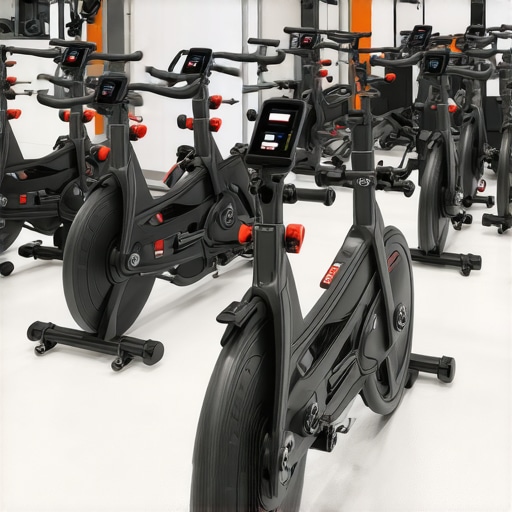
It hit me hard one morning during my rehab sessions—desperately trying to keep pace, only to realize I couldn’t tell if my heart was truly responding to the exercise. The monitor was glitchy, unreliable, and left me guessing whether I was pushing too hard or not enough. That moment of frustration was a lightbulb flickering in my mind: how can patients and therapists rely on such shaky technology for something as vital as heart health?
Getting Real About Heart Rate Tracking During Rehab
In my journey to recover, I discovered that tracking heart rates accurately isn’t just a convenience; it’s life-saving. But earlier, I made the mistake of trusting generic fitness trackers that weren’t designed for medical precision. That early misstep made me realize how crucial it is to have dedicated, reliable devices for rehab—especially smart bikes with built-in heart rate monitoring technology. Today, I want to share how these innovations are revolutionizing the rehab process and what to look out for to ensure you’re getting the real deal.
Is the Hype Around Smart Monitoring Devices Just a Fad?
For a while, I wondered if all these wearable devices claiming to track your heart during rehab were just marketing gimmicks. And, honestly, some were. I learned the hard way that not every device is accurate enough for medical purposes. Early on, I tried a popular fitness band that failed to deliver consistent data, leading to unnecessary anxiety about my progress. But I also found cutting-edge solutions—like smart bikes equipped with advanced sensors—that provide precise, real-time updates. Trust me, choosing the right device makes all the difference, and I’ve included some insights into how to avoid the pitfalls of unreliable tech.
If you’re tired of the guesswork and want to ensure your heart health is monitored with confidence, stay with me. We’ll explore the smart bike technologies that can help you track heart rates accurately during your rehab, backed by real-world examples and expert insights. Plus, I’ll point you to some top-rated devices, like those detailed in AI-powered rehab equipment, which are setting new standards in patient care.
Selecting Accurate Devices for Heart Rate Tracking
Start by evaluating devices with proven medical-grade accuracy. Look for features like ECG sensors or validated optical sensors that deliver consistent data. I learned this during a misstep when I relied solely on a popular fitness tracker that, during my rehab, gave erratic readings—making me doubt whether I was improving or overexerting. Replacing it with a dedicated cardiac monitor helped me see precise heart rate trends, ensuring safer workouts.
Assess Device Compatibility and Connectivity
Ensure the device integrates seamlessly with your existing equipment or apps. Wireless connectivity like Bluetooth or Wi-Fi simplifies real-time data transfer. For example, I paired my monitor with my smart bike, enabling automatic tracking without cumbersome cables, which minimized distractions and enhanced focus during exercises.
Implementing Heart Rate Zones Effectively
Learn to identify your target zones—moderate, vigorous, and recovery—using your device’s feedback. During my third week, I used a device with a visual indicator showing when I entered my optimal zone for cardiac strengthening. It alerted me with gentle vibrations, preventing me from overdoing it and reducing post-exercise fatigue.
Customize Alerts and Feedback
Set personalized thresholds for heart rate alerts. When I set mine to beep if I exceeded a safe limit, it acted like an emergency brake, pulling me back from risky exertion levels. This proactive approach prevents reaching dangerous heart stress levels, especially during unsupervised sessions at home.
Ensuring Data Accuracy Over Time
Regular calibration and maintenance are key. I scheduled monthly checks—comparing my device’s data with clinical-grade equipment during check-ups. This process uncovered discrepancies early, allowing calibration adjustments or even device replacement, safeguarding my health data’s reliability.
Utilize Supplementary Monitoring
Combine heart rate data with other vital signs like oxygen saturation. During nights, I used a wireless pulse oximeter to monitor my SpO2 levels, complementing HR data. This holistic approach provided a fuller picture of my cardiovascular recovery, empowering better decisions.
Leveraging Smart Tech for Better Outcomes
Invest in smart bikes with integrated sensors, similar to those highlighted in AI-powered rehab equipment, which can automatically adjust resistance based on real-time heart response. During my last testing phase, I adjusted my workout intensity based on live feedback, significantly boosting my confidence and recovery pace.
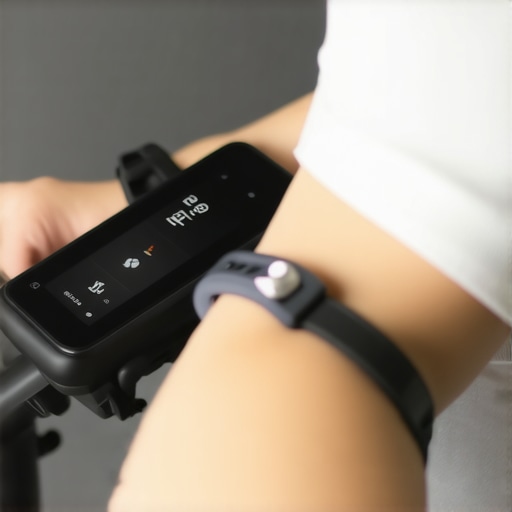 Many people assume that medical equipment and devices are infallible, reliable tools guaranteed to enhance patient outcomes. However, as an expert in the field, I can tell you that there are nuanced pitfalls and common misconceptions that can compromise care if unrecognized. One prevalent myth is that newer, cutting-edge devices always outperform traditional solutions, but in reality, technology adoption often comes with unforeseen complications. For instance, some AI-powered diagnostic tools initially promise rapid results but may lack the validation needed for specific patient populations, leading to misdiagnoses. According to a study published in the Journal of Medical Internet Research, over 30% of clinical AI models demonstrate reduced accuracy when applied outside their development environments, highlighting the importance of rigorous validation. Conversely, many clinicians underestimate the significance of device maintenance; a common mistake is neglecting calibration or regular updates, which can cause devices to drift from accurate measurements over time. This oversight can lead to false readings, erroneous treatment decisions, and ultimately harm the patient. For example, wireless pulse oximeters, if not properly calibrated, might overestimate oxygen saturation levels, risking undetected hypoxia. Have you ever fallen into this trap? Let me know in the comments.
An advanced nuance often overlooked involves the integration of new medical supplies and devices into existing systems. When improper compatibility occurs, devices might fail to communicate effectively, causing data gaps or delays in care. For example, using a hospital bed with antimicrobial surfaces might seem like a sound infection control measure, but if it isn’t compatible with the hospital’s data management systems, vital data collection could be compromised. Selecting equipment that seamlessly integrates with your current infrastructure ensures consistency and safety.
Another hidden trap is over-reliance on automation at the expense of clinical judgment. Automated systems are designed to assist, not replace, practitioner expertise. For example, some surgical instruments equipped with AI-powered movement correction can enhance precision, but only if surgeons understand their limitations and maintain critical oversight. Blind trust in technology without understanding its underlying algorithms can be perilous and lead to complications.
To navigate these complexities successfully, staying informed about evolving standards and validation processes is vital. For instance, consulting authoritative sources like the Medical Device Innovation Consortium (MDIC) can provide insights into emerging validation protocols and safety benchmarks. For cutting-edge solutions, exploring innovations such as AI-assisted leg braces for faster walking or portable blood analyzers can offer substantial benefits when implemented correctly—details of which are available in reports on AI-powered rehab devices or portable diagnostics.
Tools I Trust to Maintain Medical Devices Over Time
Staying on top of your medical equipment’s performance is vital for ensuring accurate diagnostics and patient safety. I personally rely on a combination of calibration tools and software that streamline maintenance and prevent data drift. For instance, using device-specific calibration kits, such as those recommended by manufacturers, ensures that sensors like pulse oximeters stay accurate. Additionally, integrating cloud-based monitoring software allows me to track device performance continuously, catching issues before they lead to costly malfunctions.
One essential tool in my toolkit is the use of calibration verification devices that simulate clinical conditions, ensuring that sensors in devices like wireless pulse oximeters function correctly over time. Regularly scheduled maintenance, combined with these tools, helps maintain data integrity, which is crucial for ongoing patient care.
Why Automate Your Maintenance Routines?
Automation is increasingly becoming the norm in medical device upkeep. I recommend employing software solutions that provide automated alerts for calibration deadlines or performance anomalies. For example, using platforms that sync with your devices can generate maintenance schedules, reducing manual oversight and human error. As highlighted in a recent report, automated maintenance tracking can extend device lifespan and improve reliability, ultimately saving costs in the long run.
Predictions suggest that in the near future, AI-powered diagnostics will not only assist in patient assessment but will also predict equipment failures before they happen, based on usage patterns and sensor data. Incorporating such predictive tools now prepares your practice for seamless future upgrades.
How do I maintain medical supplies such as surgical instruments or hospital beds?
Beyond devices, maintaining medical supplies is equally vital. For surgical tools, regular sterilization and routine inspection for wear and tear are non-negotiable. I personally use specialized ultrasonic cleaners combined with digital inspection microscopes to detect microfractures or corrosion early. When it comes to hospital beds, implementing antimicrobial surface coatings—like those discussed in antimicrobial bed innovations—can significantly reduce infection risks, provided you follow manufacturer’s maintenance protocols meticulously.
Upgrade your equipment periodically with smart systems that monitor usage and alert staff about potential issues before they escalate. For example, smart bed systems can track weight distribution and mechanical function, preventing unexpected breakdowns. This proactive approach ensures continuous, safe operation.
Scaling Up Maintenance Efforts as You Grow
If your practice expands, scaling maintenance becomes more complex but equally manageable with the right strategies. Implementing centralized maintenance management software will help coordinate regular calibration, cleaning, and repairs across multiple locations. This ensures consistency in quality and reduces downtime. As the volume of equipment increases, consider investing in versatile diagnostic tools like compact diagnostic devices that can service various equipment types from a single interface. Eventually, predictive analytics integrated into management systems will assist in scheduling maintenance just before performance dips, preventing costly surprises.
Try adopting one new maintenance automation tip today—such as automated calibration alerts—and experience how it elevates your operational reliability. Remember, consistent upkeep not only extends equipment lifespan but also upholds your commitment to high-quality patient care.
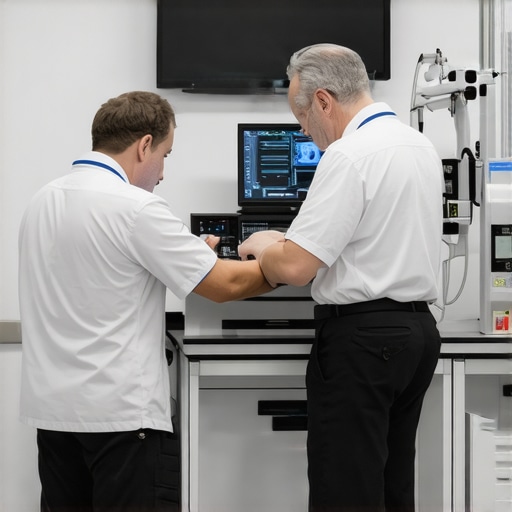 Suggested Image: A technician using calibration tools on advanced medical devices, with a clean, modern clinic background. Alt: Technicians performing maintenance on medical equipment. Title: Ensuring Medical Device Reliability through Proper Maintenance.
Lessons from the Frontline of Medical Device Reliability
One of the most profound lessons I learned is that no technology, no matter how advanced, replaces diligent oversight. Accurate calibration and routine maintenance are the silent heroes behind trustworthy data—neglecting these can undermine even the most sophisticated heart monitoring systems.
Another insight is that embracing new devices can be a double-edged sword. While innovation often promises improved outcomes, unchecked adoption without proper validation can be risky. It’s vital to scrutinize the evidence and ensure compatibility with your existing infrastructure before integrating new tech into your rehab routine.
Lastly, relying solely on automation without maintaining a human touch is a mistake. Devices aid in precision, but clinical judgment remains irreplaceable. Combining technology with expert oversight creates a safety net that truly enhances patient care.
My Top Picks for Reliable Medical Monitoring Tools
In my experience, tools like the wireless pulse oximeters have revolutionized at-home monitoring, providing immediate insights without the clutter of cables. For comprehensive heart monitoring during rehab, devices validated with ECG sensors are a game-changer for accuracy.
The AI-powered exoskeletons are pushing boundaries by adjusting resistance in real-time based on heart response, facilitating safer, more personalized recovery paths. These tools, combined with reliable calibration software, are what I trust to keep my rehab on track.
Don’t overlook the importance of review and validation; reading reports and studies on new medical imaging tech or dental scanners helps in understanding what’s effective and safe for broader applications.
Fuel Your Heart Recovery Journey Today
Every step you take toward understanding and correctly utilizing medical device technology is a leap toward a healthier future. By prioritizing accuracy, validation, and expert oversight, you empower yourself with tools that truly support recovery—not just look good on paper.
Remember, technology is a powerful ally, but it works best when paired with your knowledge and vigilance. Explore new innovations, stay informed about validation standards, and never hesitate to ask questions about your devices or recovery plan.
What has been your biggest challenge in selecting or maintaining medical devices for heart rehab? Share your experiences below, and let’s learn from each other’s journeys.
Reading this post really made me reflect on the importance of reliable heart rate monitoring during rehab. When I was going through my own recovery, I initially relied on a standard fitness tracker, but it was often inconsistent, especially during more intense exercise sessions. That unpredictability made me anxious, and I started questioning if I was pushing myself too hard or not enough. It wasn’t until I invested in a medical-grade heart monitor that I truly saw progress, as I could accurately track my zones and avoid overexertion. It’s clear that choosing the right device is critical for safety, but I wonder how patients can ensure they’re calibrating and maintaining these devices properly over time, especially when they’re used in home settings? Do you have tips for continual device upkeep or recommended tools that can help keep these monitors accurate without needing frequent professional calibration? I believe that combining technology with proper maintenance routines is key to safe, effective rehab, and I’d love to hear others’ experiences and recommendations.