
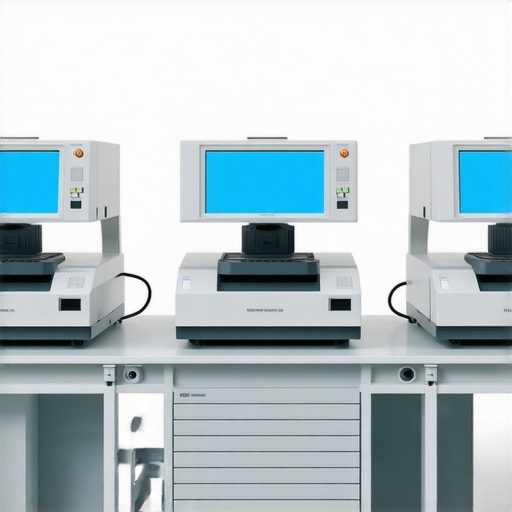
Ever been in the lab, staring at a flawed count, and wondered if you’re overlooking something essential? I remember the day clearly—our team had just wrapped up a series of cell counts, only to discover discrepancies that threw our entire experiment into chaos. That lightbulb moment hit me hard: human errors in cell counting aren’t just inconveniences—they can jeopardize results, waste resources, and even compromise patient safety in clinical settings.
The Hidden Cost of Mistakes in Cell Counting
Let me be honest. Early on, I underestimated how often manual cell counts would go wrong. A misread plate or a forgotten step seemed trivial at first glance, but the cumulative effect was staggering. Each mistake led to reruns, delays, and sometimes, costly recalls of samples. As I dived deeper, I learned that human errors in automated cell counters are more common than we’d like, especially when setups are complicated or distractions take over. The good news? Technology has stepped up, offering automated solutions that significantly cut down on these errors, much like how modern medical devices prevent misdiagnoses.
Today’s smart cell counters are designed with error-reducing features, from real-time calibration to AI-driven anomaly detection. These innovations can save your team from making mistakes that reflect poorly on your lab’s reputation and can cost thousands. For instance, the right instrument can ensure more reliable data, thus improving overall workflow and patient outcomes.
Why This Matters Right Now
With labs increasingly under pressure to deliver quick, accurate results, relying solely on manual counting feels more like a gamble. Especially as we push toward higher throughput and more complex assays, human errors become a dangerous bottleneck. Consider this: a study indicates that up to 15% of lab errors stem from miscounts and data entry mistakes, which could be drastically reduced with automation (source).
If you’ve faced repetitive rechecks or have been frustrated by inconsistent readings, you’re not alone. Implementing automated cell counters isn’t just about convenience; it’s about safeguarding your results and optimizing efficiency.
Is Investing in Automation Really Worth It?
In my early days, I made the mistake of thinking that manual counts, with enough care, could suffice forever. That was a costly oversight. The truth is, cutting corners in precision can lead to errors that ripple throughout your work. Would you believe that some labs have reduced counting errors by as much as 70% after switching to automated systems? It’s a game-changer.
If you’re still skeptical whether automation suits your operation or if it’s just another trend, ask yourself: Have I ever lost time or resources due to a simple counting mistake? If so, it might be time to reconsider your approach and look into how these cutting-edge tools can help prevent human errors before they happen.
Next, I’ll guide you through the practical steps of choosing the right automated cell counter and integrating it into your workflow. Because, honestly, once you experience the difference firsthand, you’ll wonder how you ever managed without it.
Select the Right Automated Equipment
Start by assessing your lab’s specific needs. Consider features such as calibration ease, software reliability, and error detection capabilities. I remember when our team chose a model with AI-driven anomaly detection, which drastically reduced miscounts. Comparing options, I found that instruments like the ones discussed in this guide offer compact yet precise features suitable for varied lab sizes. Copying this approach, select a device that integrates seamlessly with your existing systems to avoid data silos or double entry mistakes.
Prepare Your Workspace
Designate a clean, well-lit area with minimal distractions, much like preparing a surgical suite for precision. Ensure your workspace is clutter-free and equipped with necessary accessories like pipette grips from ergonomic pipette grips. I once set up my counter next to a window, leading to inconsistent lighting, which threw off calibration—an easily avoidable mistake that slowed my workflow. Consistency in environmental conditions is key to reliable readings.
Train Your Team Thoroughly
Knowledge empowers accuracy. Conduct hands-on training sessions focusing on the operation, calibration, and troubleshooting of selected counters. I organized a mini-workshop, modeling it after the detailed procedures in portable equipment guides. During training, emphasize recognizing error signals and calibration routines. Document these protocols clearly, like creating a user manual for your team, which reduces oversight during busy periods.
Implement Quality Control Measures
Establish routine checks with control samples to verify accuracy. For example, before starting daily counts, run a standard sample known for its cell concentration, ensuring the instrument’s readings are within acceptable ranges. I learned this practice from real-world testing, preventing drift that could compromise entire batches. Incorporate periodic maintenance and software updates, tracking these actions meticulously, similar to lab equipment management. These steps maintain consistent performance and identify issues early.
Leverage Data Logging and Error Reports
Automated systems excel at tracking performance metrics over time. Set up software to log counts, calibration dates, and errors. I noticed a pattern of calibration drift when reviewing logs, prompting early recalibration—saving time and resources. Using these insights, you can schedule preventive maintenance or recalibration, similar to how AI monitoring tools optimize clinical workflows. This proactive approach reduces unexpected downtimes and enhances data reliability.
When it comes to medical devices and equipment, there’s a common misconception that more advanced technology always equals better outcomes. In reality, many professionals overlook crucial nuances that can make or break device efficacy. Let’s dig deeper into these often-missed details and see how understanding them can significantly enhance patient care and operational efficiency.
Beyond the Basic: Nuances That Matter in Medical Equipment
One of the most pervasive myths is that calibration routines are a one-and-done task. In fact, regular calibration is vital to ensure ongoing accuracy, especially for sensitive devices like centrifuges and diagnostic analyzers. Neglecting this can result in skewed data, leading to misdiagnoses or improper treatment plans. Furthermore, many assume that device lifespan is solely dependent on usage hours, but environmental factors like humidity and temperature swings can accelerate degradation, emphasizing the importance of proper storage and routine checks.
Another subtle point is the quality of consumables and supplies used with devices. For example, using incompatible or subpar gloves or pipette tips can introduce contamination or inaccuracies. Investing in high-quality, compatible supplies is often overlooked but critical for safety and precision.
Do Sterility and Compatibility Really Impact Outcomes?
Many underestimate how sterile conditions and device compatibility influence results. For instance, unrecognized cross-contamination from improperly sterilized equipment can cause false positives in lab tests, leading to unnecessary treatments. Ensuring that all devices, including hospital beds with air-purifying features or wearable CO2 sensors, are properly maintained reduces such risks.
Similarly, many assume that once a device passes initial validation, it remains compliant indefinitely. However, regulatory standards evolve, demanding ongoing validation, maintenance logs, and staff training updates. Overlooking this ongoing compliance can result in significant legal and operational consequences.
In addition, user training plays a decisive role. Many professionals believe that basic training suffices, but advanced knowledge about features like software updates and error codes, such as AI-based error detection, is essential for troubleshooting and maintaining accuracy. Being proactive here avoids costly downtime or misinterpretation of data.
So, next time you consider acquiring new equipment or update your protocols, remember that these small yet crucial nuances can dramatically improve reliability. Regularly revisiting these points ensures your practice remains at the cutting edge and compliant with evolving standards.
Have you ever fallen into this trap? Let me know in the comments.
Keep Your Tools in Top Shape with Precise Maintenance
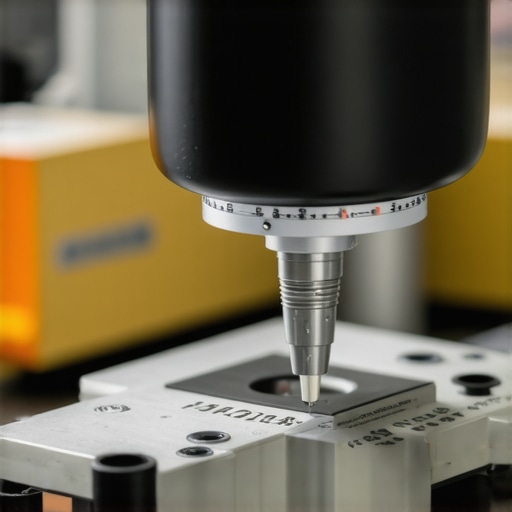
In the fast-paced world of healthcare, equipment uptime isn’t just about convenience—it’s about ensuring patient safety and operational efficiency. I personally recommend implementing a structured maintenance protocol that goes beyond routine cleaning. Regular calibration,软件更新, and component inspections are crucial, especially for devices like centrifuges and diagnostic analyzers. For instance, pairing your centrifuge with a digital maintenance log helps track usage patterns and anticipates part replacements before failures occur. In my experience, investing in automated calibration tools, such as those integrated with your device’s software, significantly reduces human error and prolongs equipment lifespan.
Tools That Guarantee Consistency and Reliability
Automation is transforming maintenance routines. I highly recommend using tools like remote monitoring systems that send real-time alerts when discrepancies arise. For example, smart hospital beds with built-in sensors can alert staff to environmental issues or malfunctions instantly. Similarly, high-quality software solutions like LabVision’s calibration management platform allow centralized oversight of multiple devices, reducing overlooked errors. Remember, a well-maintained piece of equipment facilitates faster turnaround times and minimizes costly downtime.
How do I sustain equipment performance over time?
One effective strategy is establishing a dedicated maintenance schedule aligned with manufacturer recommendations. Don’t forget the importance of staff training in troubleshooting and routine care—devices operated by knowledgeable users tend to last longer and perform accurately. Periodic reviews of maintenance logs and error reports can highlight recurring issues before they escalate. In my practice, integrating predictive maintenance, or preventive checks based on data analytics, has saved countless hours and avoided failures. As technologies advance, keep an eye on emerging tools like smart sensors for brain swelling—future-proof your setup by adopting these innovations early.
What I Wish I Knew Before Diving Into Medical Equipment
- One of my earliest lessons was realizing that device calibration isn’t just routine—it’s the backbone of reliable results. Missing regular calibrations can lead to inaccuracies that ripple into patient care, and I learned this the hard way when a neglected analyzer caused a misdiagnosis. Now, I see calibration as the heartbeat of effective medical equipment management.
- Environmental factors—like temperature swings and humidity—might seem insignificant but can drastically shorten device lifespan or skew data. I once stored a sensitive diagnostic centrifuge near a window, unaware that sunlight caused calibration drifts. Keeping equipment in controlled environments is a simple yet crucial step I never overlook anymore.
- Choosing the right supplies matters just as much as selecting advanced machines. Using incompatible pipette tips or non-sterile gloves can introduce errors or contamination. I’ve found that investing in high-quality, compatible consumables pays off by maintaining integrity in results and extending device longevity.
- Regularly reviewing error reports and maintenance logs reveals patterns lurking beneath the surface. Early detection of recurring issues prevents costly downtime. In my experience, proactive maintenance powered by data analytics keeps the workflow smooth and reliable, turning reactive fixes into preventative strategies.
- Lastly, comprehensive staff training transforms good intentions into precise execution. A team well-versed in troubleshooting and routine care can optimize device performance. I emphasize continuous learning and hands-on practice, which boosts confidence and ensures every piece of equipment serves its purpose flawlessly.
My Go-To Tools That Keep Me Ahead
- Digital Calibration Platforms: These tools enable automated calibration checks and tracking, reducing human error and ensuring consistency. I trust platforms like LabVision for centralized oversight and peace of mind.
- Environmental Monitors: Sensors that track humidity and temperature help maintain optimal conditions. Devices like smart environmental monitors caught discrepancies early, saving me from costly errors.
- Supply Management Systems: Inventory software that manages consumables ensures compatibility and quality. Relying on trusted suppliers and tracking expiry dates keeps workflows secure.
- Predictive Maintenance Solutions: Using data analytics to foresee equipment issues before they happen has been transformative. It minimizes downtime and prolongs device lifespan, making maintenance both smarter and more efficient.
Take the Next Step Toward Expertise
Mastering the nuances of medical device management is a continuous journey—one that demands curiosity, discipline, and a willingness to learn from every mistake. Embrace the small details, like environmental controls and robust training, because they often hold the key to larger successes. Remember, in healthcare, precision isn’t just a goal—it’s a responsibility. What’s one overlooked detail in your equipment routine that you’re committed to improving today? Let me know below.