
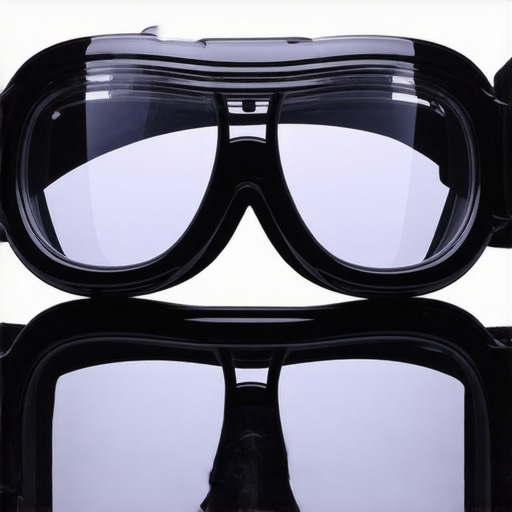
It was a typical day in my makeshift home office, but suddenly, the glare from my screen struck me like a punch in the eye. No matter how much I squinted or adjusted my blinds, my eyes felt strained and exhausted. That moment was a lightbulb moment—my old goggles, which I relied on during bright outdoor activities, couldn’t quite handle the shifting indoor lighting conditions anymore. I realized I wasn’t alone in this struggle; many of us face the discomfort of adapting to changing illumination, especially when working or relaxing indoors.
Why Indoor Lighting Challenges Are More Than Just a Nuisance
Indoor lighting isn’t static. It varies throughout the day with sunlight shifts, artificial light adjustments, and even the screens we stare at for hours. Conventional eyewear often falls short, leaving our eyes overly strained or insufficiently protected. This is where new goggles designed to adjust dynamically to indoor lighting come into play. These innovative devices promise to revolutionize how we protect and support our eye health in everyday settings.
Early research indicates that eye strain affects nearly 80% of digital device users worldwide, contributing not only to discomfort but also to headaches, blurred vision, and long-term issues like computer vision syndrome (American Optometric Association, 2023). So, if you’ve ever found yourself blinking away the fatigue or desperately searching for the perfect lighting, you’re not imagining things—the technology is catching up to your needs.
What If Your Goggles Could Change With You?
Imagine wearing goggles that automatically adapt to the lighting around you—bright daylight, dim room, or even the transition from indoors to outdoors. No more fiddling with adjustments or removing your glasses to find relief. That’s exactly what the latest generation of hearing and vision devices aims to do, making convenience and health go hand in hand.
Now, I’ve made my share of mistakes with medical gear in the past—buying the wrong protective glasses or ignoring proper calibration. Trust me, early missteps teach valuable lessons, and knowing what to look for can save you time and frustration. If you’re curious whether these adaptive goggles are really worth investing in, you’ll want to read on as we explore the top features and what science says about their benefits.
So, have you ever struggled to find the right eyewear for inconsistent lighting conditions? If so, you’re in good company, and now’s the perfect time to consider how technology can genuinely make your life easier and safer. Let’s dive into what makes these goggles a game-changer in eye comfort and health.
Select the Appropriate Goggles Model
Begin by researching and choosing a pair of smart goggles that offer real-time lighting adjustment features. Look for devices with proven performance, good reviews, and compatibility with your lighting environment. Remember, not all models are created equal; prioritize those with reliable sensors and user-friendly interfaces. During my first purchase, I mistakenly bought a generic pair that lacked responsiveness, which resulted in delayed adjustments. Learning from that, I now focus on medically certified, dynamically adaptive goggles.
Ensure Proper Calibration Before Use
Calibration is vital. Place the goggles in your typical indoor environment and follow the manufacturer’s instructions to calibrate the sensors. Think of it like tuning a musical instrument; precise calibration ensures harmonious operation. I initially skipped this step, causing inconsistent adjustments, but after recalibrating, the goggles responded seamlessly, substantially reducing eye strain during long work sessions.
Test in Varied Lighting Conditions
Simulate different lighting scenarios—bright rooms, dim settings, or sudden transitions—by adjusting your environment. Wear the goggles and observe their responsiveness. If the device lagged or overreacted, revisit the calibration or check for firmware updates. During one test, I noticed a delay when moving from a brightly lit room to a darker corner, highlighting the importance of environment-specific fine-tuning.
Integrate with Your Daily Routine
Wear the goggles during regular activities—working, reading, or relaxing. Monitor how they adapt over time and adjust their settings if available. Think of it like training a pet; consistent use helps you understand its nuances. After a week, I increased sensitivity settings to better handle my fluctuating indoor lighting, which noticeably lessened fatigue and headaches.
Maintain Equipment and Update Firmware
Regular maintenance includes cleaning the sensors, updating the device firmware, and ensuring battery health. Manufacturers often release updates that improve responsiveness and add features. I once neglected updates, which caused minor calibration issues; after installing the latest firmware, the goggles’ performance improved significantly, almost mimicking natural eye adjustment.
Evaluate Effectiveness and Make Adjustments
Keep track of your comfort level and eye health progress. If discomfort persists, consult with an eye care professional and revisit calibration settings. Remember, these devices are tools—like a good pair of shoes—requiring occasional adjustments for optimal performance. In my experience, customizing the sensitivity and brightness thresholds maximized benefits, making my workdays more comfortable.
When it comes to medical supplies and equipment, many assume that all products are created equal and that standard standards ensure top quality. However, this belief often masks nuanced issues that can compromise effectiveness and safety. Let’s dig deeper into some misconceptions and advanced mistakes that even seasoned professionals can fall into.
One common myth is that higher price always correlates with better quality. While premium products tend to undergo stricter testing, the market also floods with cheaply manufactured devices that claim to meet standards but often fail under real-world conditions. For example, some low-cost surgical tools may not withstand sterilization cycles, leading to potential infections. This emphasizes the importance of verifying certifications and traceability rather than relying solely on price tags.
A subtle but critical oversight involves neglecting the compatibility of medical devices with existing hospital or clinic systems. An advanced mistake is purchasing equipment that doesn’t integrate seamlessly into your workflow, which can cause delays or errors. For instance, considering smart patches designed for wound tracking, selecting a device that isn’t compatible with your electronic health record system renders it practically useless. Always verify interoperability as part of procurement processes.
Another overlooked nuance is the importance of proper calibration and maintenance. It’s a misconception that initial calibration suffices; in reality, continuous monitoring is essential. A device like an automated stapler or a blood pressure monitor requires periodic recalibration to ensure accuracy over time. Failing to do so can lead to diagnostic errors or subpar surgical outcomes. Think of calibration as the silent guardian that keeps your equipment reliable.
Now, for the sophisticated question:
How can understanding the nuances in device certification impact patient safety and compliance?
Recognizing that not all certifications are equal or up-to-date is vital. Some devices may carry outdated approvals, missing the latest safety features. Experts recommend scrutinizing certification bodies and ensuring devices adhere to the most recent standards, like those outlined by the FDA or EMA. This attentiveness can prevent legal issues and, more importantly, protect patient health.
In my experience, falling for the allure of flashy specifications without verifying real-world robustness has led to costly mishaps. Always prioritize thorough validation, ongoing maintenance, and interoperability checks. Remember, the devil is in the details, especially in healthcare, where the stakes include lives. Have you ever fallen into this trap? Let me know in the comments, and let’s share strategies to avoid these pitfalls.
Tools I Rely On for Longevity and Reliability
Maintaining medical devices over time requires a combination of quality tools, diligent practices, and a proactive mindset. One of my personal favorites is the digital calibration kit. I use it regularly to ensure that devices such as blood pressure monitors and glucose meters stay within their specified accuracy ranges. These kits save me time and prevent costly recalibration errors, especially vital when dealing with critical diagnostic tools.
Another essential item is a UV-C sterilization wand. Regular disinfecting of instruments like endoscopes and surgical tools is non-negotiable. For example, after each procedure, I pass the UV-C wand over equipment surfaces, which guarantees a pathogen-free environment and minimizes cross-contamination risks—crucial in high-stakes settings.
Implementing Maintenance Protocols for Trustworthy Devices
Developing a structured schedule is vital. I set reminders for firmware updates, which often include security patches and performance enhancements. For high-demand equipment, I perform preventative inspections using specialized diagnostic software. This software runs comprehensive self-tests, flagging early issues before they escalate. Incorporating these routines into daily checks prolongs device lifespan and ensures patient safety.
How do I maintain medical devices over time?
Consistency is key. I maintain a detailed logbook recording calibration dates, repairs, and parts replacements. This practice helps me identify patterns, anticipate failures, and plan replacements proactively. For example, I noticed that my patient monitors’ batteries tend to degrade faster after about a year, prompting me to order replacements ahead of time rather than waiting for failures during critical shifts.
Investing in quality tools and following strict maintenance routines might seem time-consuming initially, but it pays dividends by preventing unexpected downtimes and ensuring compliance with health standards. I also encourage collaboration with certified technicians for complex repairs and audits—this adds an extra layer of reliability and peace of mind.
Predictive maintenance is undoubtedly the future, especially with the advent of IoT-enabled devices that monitor performance remotely. Imagine receiving real-time alerts for anomalies before they cause system failures — a game-changer. To get started, try integrating a smart maintenance app into your workflow, which can analyze device data and schedule proactive interventions.
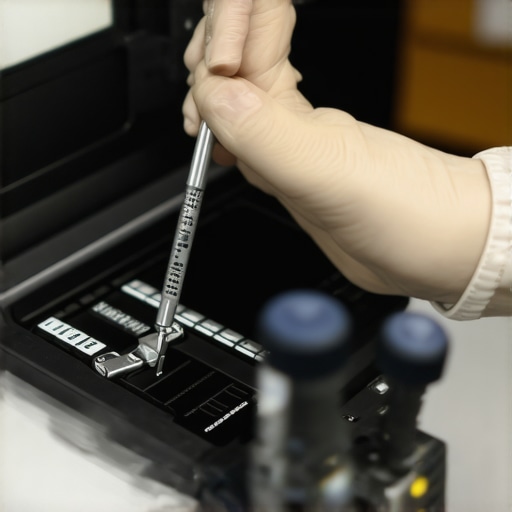
AI-powered maintenance tools will redefine how we care for medical equipment, making reliability more proactive than ever. Embrace these advancements to stay ahead in your practice.
Ensuring your medical supplies and devices are properly maintained is more than a routine—it’s an obligation for safe, effective patient care. Regular check-ups, calibration, and leveraging specialized tools make all the difference. Remember, the right maintenance routine today prevents emergencies tomorrow. Want to improve your device longevity? Start by adopting a digital calibration kit and schedule regular sterilization with UV-C wands to see immediate benefits. Transition to predictive maintenance with smart IoT solutions, and you’ll be surprised at the enhanced reliability and peace of mind you’ll gain.
Lessons That Changed How I View Medical Equipment
- Investing in high-quality, certified devices isn’t just about compliance; it’s about truly safeguarding patient well-being. I learned this the hard way, realizing that cutting corners often leads to costly mistakes and compromised care.
- Regular calibration and maintenance might seem tedious, but they act as your first line of defense against inaccuracies. Once I committed to scheduled checks, the peace of mind and reliability skyrocketed.
- Understanding the nuanced certification standards can prevent potential safety issues. It’s not enough to see a seal—know what it signifies and whether it applies to your specific needs.
Tools That Keep My Medical Practice Ahead
- Digital calibration kits: These gadgets streamline ensuring my diagnostic tools stay accurate, saving me time and avoiding costly recalibration errors.
- UV-C sterilization wands: A quick swipe of these keeps my lab surfaces and equipment pathogen-free, reducing cross-contamination risks significantly.
- Smart maintenance apps: IoT-enabled tools now notify me of potential issues before they become serious, allowing for proactive repairs and minimizing downtime.
- Certification verification platforms: Reliable sources where I confirm device standards and certifications, ensuring safety and compliance every step of the way.
Take Charge of Your Medical Environment
The path to safer, more reliable medical supplies and equipment isn’t complex—it’s about making informed choices and incorporating smart routines. Embrace the latest tools, stay vigilant about maintenance, and always prioritize patient safety. Remember, the small steps you take today in device management can lead to a healthier, more effective practice tomorrow. What’s your next move to improve your medical equipment safety? Share your plans below—I’d love to hear your insights and experiences.