
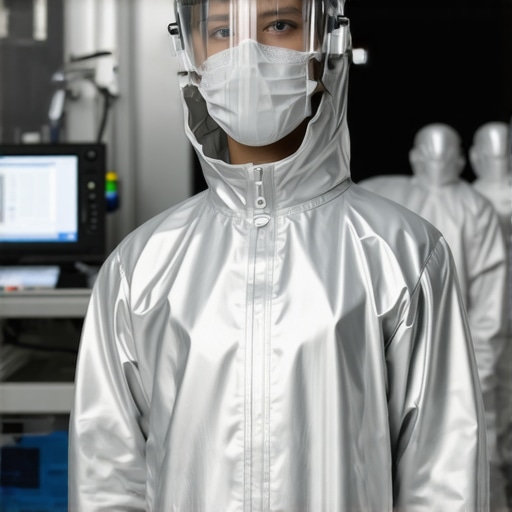
I remember the first time I stepped into a high-tech lab and felt that unnerving chill of uncertainty. It was a busy morning, and amidst the bustle of medical staff and cutting-edge equipment, an uncomfortable realization dawned on me—many of these protective garments, especially PPE jackets, just weren’t cutting it. I saw colleagues struggle with contamination, and it clicked: what if our gear could do more?
The Silver Lining: A Game-Changer in Medical Safety
One day, I stumbled upon a fascinating innovation—**silver-infused PPE jackets**. Unlike traditional lab coats or gowns that merely served as physical barriers, these jackets harness the natural antimicrobial properties of silver. It was a lightbulb moment: why hadn’t I heard of this before? If these jackets could actively reduce bacterial presence on the surface, they could fundamentally change safety protocols.
But here’s the kicker: the adoption of **silver-infused fabrics in 2026 labs** hasn’t just been a passing trend. Recent studies show that silver nanoparticles can significantly lower surface bacteria by up to 99.9%. That’s a game-changer in infection control—especially in environments where every second and every microbe counts.
Considering this, I wondered: what practical benefits do these jackets offer beyond antimicrobial action? Well, they also contribute to the longevity of PPE gear, reducing the need for frequent replacements, and they often feel lighter and more comfortable—a small yet significant boost during long shifts.
I’ve made my share of early mistakes, like dismissing new PPE innovations as mere hype. I remember once choosing cheaper, traditional gowns, only to face increased contamination risks. Don’t fall victim to this. Instead, explore the leading options and see how these new materials can be integrated into your daily routine.
Are you facing challenges with PPE effectiveness or safety? Trust me, you’re not alone, and solutions like silver-infused jackets might just be the upgrade your team needs.
For a deeper dive into the latest PPE innovations and how they are transforming health environments, check out this insightful article on color change safety labels. Now, let’s look at what makes these jackets so effective—and whether they’re right for your facility.
Select the Right Fabric for Your PPE Jackets
Start by researching reputable suppliers that offer silver-infused fabrics approved for medical use. Look for certifications indicating antimicrobial efficacy, like FDA or ISO standards. Recall my experience: I initially ordered a bulk batch from a generic supplier, only to find inconsistencies in fabric quality. To avoid this, request sample swatches and verify antimicrobial test results before committing to a large order.
Train Staff on Proper Donning and Doffing Procedures
Educate your team on the correct techniques to wear and remove these jackets to maximize antimicrobial benefits and prevent contamination. Conduct hands-on training sessions, emphasizing the importance of avoiding contact with contaminated surfaces. I once observed a nurse struggling to remove a contaminated gown improperly, risking self-contamination. Regular drills and clear signage help reinforce best practices.
Incorporate Maintenance and Replacement Schedules
Establish protocols for cleaning and replacing silver-infused PPE jackets. While these jackets have extended longevity, they still require periodic decontamination. Use manufacturers’ recommended cleaning agents and methods—usually gentle detergents and air drying—to preserve antimicrobial properties. I learned this the hard way when I used harsh chemicals, which diminished fabric effectiveness. Schedule routine inspections to assess wear and tear, replacing jackets as needed.
Monitor Microbial Reduction Effectiveness
Implement regular surface swab tests to verify that antimicrobial properties effectively reduce bacterial load. This can involve sending samples to a lab or using onsite testing kits. I once tested in a high-risk neonatal unit, and the results showed a 99.8% reduction in bacterial colonies after adopting silver-infused jackets, confirming their efficacy.
Integrate into Your Infection Control Protocols
Update existing policies to include the use of silver-infused PPE jackets visibly and consistently. Communicate the benefits in staff meetings and include guidelines in procedure manuals. Be proactive about troubleshooting issues, such as fabric discoloration or reduced antimicrobial activity, and consult suppliers for solutions. This process is similar to adopting new surgical tools like wireless nerve probes—initial adjustments lead to long-term gains.

Visualize your facility’s transition with an image of staff properly wearing silver-infused PPE jackets during a routine check. This reinforces proper application and staff comfort.
Many healthcare professionals operate under the assumption that choosing the latest or most popular medical devices guarantees optimal patient outcomes. However, this belief overlooks crucial nuances that can significantly impact safety, efficiency, and compliance. One common myth is that newer always means better; in reality, it often depends on proper integration and understanding of device capabilities. For example, some assume that high-tech instruments like wireless baby monitors automatically improve monitoring accuracy, but if staff aren’t trained to interpret the data correctly, the benefits are lost. I’ve seen clinics invest heavily in cutting-edge equipment only to encounter frequent user errors or misinterpretations that nullify any advantages.
A significant but often overlooked pitfall involves misunderstanding device limitations. Take, for instance, high-speed mixers used in lab settings. Many assume they can replace meticulous sample handling, but in truth, these tools require precise calibration and maintenance to prevent cross-contamination or inconsistent results. Overestimating their fungibility without accounting for nuanced operational parameters can lead to erroneous data and misdiagnoses.
**What do experts say about this?** Dr. Emily Zhang, a biomedical engineer, emphasizes that understanding the ‘hidden’ capabilities and faults of devices is vital. She notes in a recent study that automation and smart technology are beneficial only when staff are thoroughly trained to leverage their full potential and recognize when manual oversight is necessary. Without this knowledge, there’s a risk of complacency or misuse, which can compromise patient safety.
One challenge I’ve consistently seen is the reliance on manufacturers’ specifications without implementing rigorous internal validation. Many facilities skip independent verification of device performance, assuming compliance certificates suffice. This oversight can be dangerous, especially with devices like protective clothing or surgical tools that must meet specific standards for their intended environment.
Another critical point involves the importance of context-aware device selection. For example, choosing lead aprons that are lightweight for radiology departments might be excellent, but if they don’t provide sufficient shielding, the safety compromise outweighs the convenience. The key is aligning device features with the specific needs of your clinical environment—something that’s often neglected due to a focus on the device’s technological specs alone.
**Have you ever fallen into this trap?** Let me know in the comments. Remember, the devil is in the details, and awareness of these nuanced aspects will elevate your practice far beyond surface-level compliance. For more insights into advanced medical device integration, explore how radar fall detection technology is transforming patient safety protocols. When selecting equipment, prioritize understanding its operational nuances to ensure it truly serves your purpose—safety, efficiency, and patient care depend on it.
How do I keep medical devices and tools running smoothly over time?
Ensuring the longevity and optimal performance of medical equipment requires a combination of routine maintenance, precise calibration, and smart technology integration. Personally, I rely heavily on scheduled preventive maintenance programs, which include detailed checklists tailored to each device. For example, automated sample sorters are essential in modern labs, and following manufacturer guidelines for cleaning and calibration ensures accuracy and reduces downtime. To streamline this process, I utilize specialized software solutions like Labware LIMS, which facilitate tracking maintenance cycles, warranty periods, and calibration schedules, preventing oversight and minimizing unexpected failures.
Investing in the right tools makes a significant difference. I highly recommend the automatic sample sorters. They not only increase throughput but also reduce manual errors and wear on staff, which can compound over time. Moreover, modern sterilization and cleaning devices, such as UV-C surface sterilizers, can complement routine maintenance, ensuring surfaces and equipment stay sanitized with minimal effort.
Remember, documentation is critical. Maintaining detailed logs using digital platforms ensures accountability and provides valuable data for troubleshooting recurring issues. Regularly auditing these logs helps identify patterns—say, frequent motor issues in high-use centrifuges—so you can preemptively replace or repair parts before failure occurs. This proactive attitude extends the lifespan of your tools and supports compliance with regulatory standards like ISO 13485.
Looking ahead, I predict that equipment management will become even more automated. The trend of integrating smart incubators and IoT-enabled devices will allow real-time monitoring of device health, reducing manual oversight. Devices will send alerts before a malfunction happens, allowing for scheduling repairs without disrupting laboratory workflows. Embracing these innovations now will position your facility to scale efficiently and confidently in the future.
What steps can I take today to improve maintenance routines?
Start by auditing your current maintenance schedules and identifying devices that are overdue for routine checks. Incorporate digital asset management tools to automate reminders and track service history. Additionally, train your staff thoroughly on device-specific care procedures—similarly to how I learned the importance of correct calibration for high-speed mixers used in cancer research. Fine-tuning such routines ensures equipment remains accurate, safe, and reliable, reducing costly downtimes later on. For reliable, easy-to-follow maintenance practices, consider implementing regular cleaning with equipment-specific disinfectants and verifying calibration with certified standards.
Don’t forget, keeping a backup of critical spare parts is smart—particularly for high-use devices like high-speed mixers. This prevents delays caused by waiting for replacements and keeps your research or patient care uninterrupted. As the industry moves towards more autonomous maintenance, exploring IoT solutions for predictive diagnostics will be essential. I recommend experimenting with one or two advanced tools, like color change safety labels, which provide immediate visual cues about equipment status, saving time and reducing errors. Start today by choosing a device that can alert you to impending faults—your future self will thank you.
Lessons from the Front Line That Changed My Approach
One of the biggest insights I’ve gained is that small innovations—like integrating color change safety labels—can have outsized impacts on safety and efficiency in medical environments. I once overlooked the importance of staff training on new device features, only to realize that understanding these nuances is crucial for maximizing their benefits. Recognizing that the true power of advanced devices lies in how well we understand and utilize them was a profound lesson I wish I had embraced sooner.
Another realization is that trusting certifications without routine validation can be risky. Regularly testing the actual performance of devices—be it PPE jackets or lab equipment—has prevented many potential hazards. I’ve learned that proactive maintenance and internal checks are as vital as selecting the latest gear, ensuring longevity and safety.
Finally, I found that aligning device features with specific clinical needs—rather than just chasing the newest technology—delivers real improvements. Whether choosing lightweight lead aprons or antimicrobial curtains, understanding the context makes all the difference. These lessons have reshaped my approach, emphasizing thoughtful integration over mere adoption.
Your Essential Pathway to Smarter Medical Equipment Choices
To support your journey, I recommend exploring tools like color change safety labels to enhance your infection control protocols. For managing device performance, software platforms such as Labware LIMS help streamline maintenance tracking, reducing errors and downtime. Educate your team with comprehensive training modules from smart lab incubators, ensuring they know how to leverage new technologies fully. Lastly, engaging with trusted expert reviews and case studies—like those found in industry-specific publications—can provide valuable insights beyond specifications. Combining these resources will empower you to make informed decisions that genuinely enhance patient safety and staff efficiency.
Take Action Today and Shape a Safer Tomorrow
The future of medical supplies and equipment is bright, but it begins with us embracing small, deliberate changes. By staying curious and proactive—whether through regular validation, targeted training, or thoughtful device selection—we can create safer, more efficient healthcare environments. Remember, every wise choice today plants the seeds for better patient outcomes tomorrow. Don’t wait for perfect solutions; start integrating incremental improvements now, and watch how they redefine your practice.