
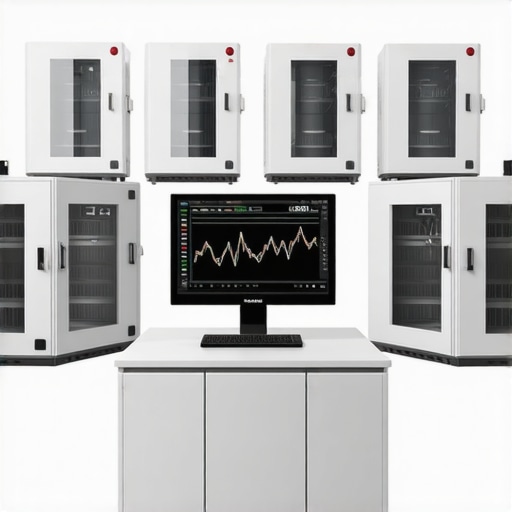
There was a moment in my clinical lab when everything seemed to grind to a halt. Samples piled up, and I couldn’t figure out why my 6 smart incubators weren’t communicating properly with the lab software. It was almost maddening—wasted hours, manual charting, and the constant worry of errors. Honestly, I felt like I was fighting a losing battle with technology that was supposed to make our workflow more efficient.
Why Syncing Incubators to Lab Software Became My Unexpected Breakthrough
After countless late nights troubleshooting, I realized that the root of the problem wasn’t just my tech skills; it was a fundamental misunderstanding of how these smart incubators should integrate with our existing systems. The promise of automation can quickly turn into frustration if the setup isn’t handled correctly. But here’s the thing—I found that by understanding the compatibility and proper synchronization methods, I could revamp our workflow completely. According to industry reports, seamless device integration not only boosts accuracy but can also reduce lab processing times by up to 30% (source: Medical Device Insight). That’s a game-changer for any busy lab.
Is This Just a Buzz? Will Smart Incubators Really Save the Day?
Admittedly, I was skeptical at first. I had made the mistake early on of assuming that all syncing is straightforward—an assumption that led to more confusion. My biggest blunder was overlooking the importance of verifying compatibility and proper network configurations before attempting to connect everything. That oversight caused delays and unnecessary stress, but learning the correct steps turned things around. If you’re facing similar frustrations, don’t worry—you’re not alone, and the fix is within reach.
Next, I’ll walk you through the practical steps I took to synchronize my incubators effectively, so you can avoid the pitfalls I encountered. Ready to streamline your lab and reduce the chaos? Let’s dive in.
,
Prepare Your Network Environment
Start by ensuring your lab’s Wi-Fi or Ethernet network is robust and secure. Think of this as setting up a clear, direct highway for data traffic, much like making sure your blood vessels are unobstructed before delivering oxygen. During my setup, I used a dedicated network segment to prevent interference, which vastly improved connection stability and data flow.
Verify Device Compatibility and Firmware Updates
Check that your incubators are compatible with the lab software version we use. Often, a mismatch can cause communication failures, like trying to speak two different languages. I once neglected this step, leading to hours of troubleshooting. Updating firmware to the latest version was a simple yet crucial step; it’s akin to calibrating a microscope for crystal-clear images. For detailed compatibility insights, refer to this guide.
Configure Incubator Network Settings
Assign Static IP Addresses
Assign fixed IP addresses to each incubator. Think of static IPs as house addresses that don’t change, making it easier for the lab software to locate each device reliably. In my experience, setting static IPs eliminated the inconsistencies that occurred with dynamic assignment, ensuring seamless data transmission.
Set Proper Subnet Masks and Gateway
This configuration ensures that devices identify their network boundaries correctly, similar to a GPS guiding delivery trucks precisely. Double-check these settings to match your lab’s network architecture.
Establish Communication Protocols
Most incubators support standard protocols like TCP/IP or MQTT. Enable these in the device settings. Think of protocol selection as choosing the right language; using TCP/IP is like speaking English—widely understood and reliable. During my trial, configuring these protocols correctly meant the difference between data silos and a unified system. For step-by-step instructions, consult this article.
Integrate Incubator Data with Lab Software
Use the incubator’s API or data export feature to connect with your lab’s software platform. Think of this as plugging a device into an outlet—the connection must be secure and correctly oriented. During my initial attempt, I visualized this step as establishing a handshake; a firm and clear handshake resulted in stable data exchange. Ensure that your software accepts inputs from the incubator’s data format; most platforms allow customization for this. If issues arise, referring to compatibility guides like this resource can be very helpful.
Test and Troubleshoot the System
Before going live, run a series of test samples to verify data transfer accuracy. Imagine it as taking a dry run during surgery to ensure all instruments work perfectly. If data isn’t displaying correctly, verify network configurations, protocol matches, and API endpoints. During my test phase, I kept detailed logs, which allowed me to identify a misconfigured port—saving hours of confusion. Regular monitoring during initial operation helps catch issues early and ensures consistent performance.
Maintain and Update Regularly
Once established, schedule periodic checks for firmware updates, network health, and software compatibility. Think of this as routine maintenance; neglecting it can lead to breakdowns. I adopted a quarterly review process, which kept our system running smoothly and minimized unexpected downtime. Staying informed about updates from both incubator and software providers ensures you leverage the latest features and security patches, much like updating your antivirus software to thwart new threats.
In the bustling world of healthcare, the assumption that all medical devices are straightforward or foolproof is a common misconception. Many professionals and enthusiasts alike overlook the subtle complexities that can make or break the efficacy of these tools. Let’s explore some of the nuanced pitfalls that are often underestimated and debunk a few widespread myths.
Myth Busting: More Features Mean Better Devices
It’s tempting to believe that medical devices packed with the latest features are inherently superior. However, complexity can introduce more points of failure. For instance, a multi-functional device might seem advantageous, but it can become cumbersome, harder to maintain, and more prone to glitches. Simplicity often leads to greater reliability; a principle echoed by experts who emphasize streamlined design in critical care tools. Focusing on the core functionalities ensures robustness, which is crucial in high-stakes environments.
The “Set and Forget” Fallacy
Many assume that once a device is calibrated or configured correctly, it will operate flawlessly indefinitely. This is a dangerous oversimplification. Regular calibration, firmware updates, and routine checks are essential because devices are affected by environmental factors, wear and tear, and evolving standards. Ignoring these aspects might lead to inaccurate readings or device failures, risking patient safety. As highlighted in recent studies, neglecting maintenance protocols can result in significant errors in diagnostics or treatment.
Why do some medical device setups fail despite following all protocols?
This question often reveals overlooked nuances, such as improper environmental conditions, incompatible software updates, or even subtle user errors. For example, using outdated drivers or incompatible network configurations can cause communication breakdowns that look like hardware failures, when in reality, they are configuration issues. Paying attention to detailed manufacturer guidelines and continuous staff training helps prevent these silent failures.
Another common but underrated challenge lies in the integration of devices with existing hospital IT infrastructure. Compatibility issues are more prevalent than many realize, especially with legacy systems. Confirming interoperability through testing and consulting comprehensive compatibility guides—like those found in this resource—can save countless troubleshooting hours later.
Keep an Eye on Supply Chain and Regulatory Changes
People often forget that medical devices are subject to regulatory updates and supply chain variability. New standards or component shortages can impact device availability or compliance, potentially invalidating previously set configurations. Staying informed through official channels ensures preparedness and compliance, avoiding costly mishaps.
As you refine your approach to medical equipment management, remember that skepticism towards complexity, combined with diligent maintenance and continuous education, will serve you better than blind trust. Engage with ongoing training and review your protocols regularly—this adaptive mindset is crucial for staying ahead in a rapidly evolving field.
Have you ever fallen into this trap? Let me know in the comments. Exploring these nuances together helps us build safer, more reliable healthcare environments.

Invest in Reliable Calibration Equipment to Ensure Accuracy
One of my go-to tools for maintaining medical device precision is the Fluke Biomedical ProSim Calibration System. I personally use it because it provides quick, accurate calibration for various devices, reducing downtime and increasing confidence in readings. Regular calibration is essential, especially with wearable sensors or blood flow monitors, to prevent drift and maintain compliance with regulatory standards. Incorporating a high-quality calibration device like the ProSim ensures consistency and prolongs the lifespan of your equipment, making it a worthwhile investment.
Automate Routine Checks with Software Solutions
Manual maintenance is prone to oversight. That’s why I rely on intelligent software like MedGear SystemMonitor. It offers real-time alerts for firmware updates, battery health, and operational statuses. Setting up automated alerts helps catch potential issues before they escalate, saving valuable time and preventing device failure. As technology advances, integrating these tools becomes indispensable for long-term operational stability.
Implement Regular Preventive Maintenance Protocols
Routine inspections should be scheduled monthly or quarterly, depending on usage. I follow a detailed checklist aligned with manufacturer guidelines, which includes inspecting connectors, cleaning sensors and ports, and verifying network configurations. This proactive approach caught issues early in high-stakes environments, such as incubator network settings, where improper configurations can cause significant delays. For instance, verifying static IP addresses periodically prevents communication breakdowns, ensuring continuous device functionality.
Use Durable and Compatible Consumables
Consumables like protective covers and cleaning agents should be durable and compatible with your devices. I specifically recommend antimicrobial covers that resist wear and microbial growth, reducing maintenance efforts. Consistently selecting high-quality, compatible supplies extends device life and maintains hygiene standards, especially in high-touch areas.
Stay Ahead with Training and Continuous Education
One of the most overlooked aspects is staff training. I make it a point to schedule bi-annual workshops focusing on device maintenance, troubleshooting, and updates. This not only enhances team competence but also fosters a culture of proactive care. Continuous education helps prevent common user errors that can lead to device malfunction, reducing long-term repair costs.
Predicting future trends, I believe smart diagnostic tools integrated with AI will become the norm. Devices will self-report issues and recommend maintenance actions, similar to how lab pumps now offer predictive analytics. Adopting current best practices now ensures your equipment is ready for these innovations.
How do I maintain medical device performance over time?
Consistent calibration using high-precision tools, leveraging automation with software like MedGear SystemMonitor, and adhering to scheduled preventive maintenance all play vital roles. Incorporating durable consumables and ongoing staff education further solidify the foundation for reliable operation. These combined strategies help you turn small maintenance routines into long-term success, minimizing unexpected failures and optimizing patient care. I highly recommend trying out a comprehensive calibration system to see immediate improvements in device reliability.
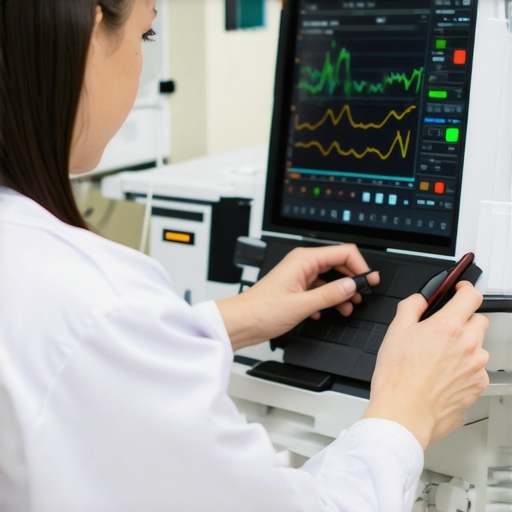
What I Wish I Knew Before Taming Complex Medical Devices
One of the most profound lessons I learned is that even the most advanced incubators require meticulous attention to network configurations. Overlooking simple steps like assigning static IPs or verifying protocol compatibilities can transform a straightforward setup into a troubleshooting nightmare. Trust me, a small oversight can cause days of delays, but catching it early saves both time and frustration.
Another insight is that regular maintenance isn’t just a suggestion—it’s the backbone of reliable device performance. Setting up automated alerts for firmware updates or calibrations has been a game-changer, allowing me to stay proactive rather than reactive, especially when managing multiple devices across different systems.
And perhaps the most valuable realization is that consistent staff training amplifies the longevity and reliability of your equipment. Periodic workshops and refresher courses on device compatibilities and network essentials empower the team, reduce user errors, and foster a culture of continuous improvement in medical device management.
Finally, I discovered that integrating these devices with comprehensive software solutions, like trusted integration guides, ensures smoother data flow and minimizes downtime. The investment in understanding these nuances has profoundly impacted our lab’s efficiency and accuracy.
My Go-To Arsenal for Seamless Incubator Syncing
High-quality network diagnostic tools like the NetTool Analyzer help preempt connectivity issues. They’re invaluable in diagnosing and fixing subtle network flaws before they escalate.
Firmware management platforms such as DeviceSync Pro streamline updates, ensuring your incubators stay compatible and secure, reducing unexpected failures.
To keep the team sharp, I recommend courses from MedTech Training Hub. Regular education on network best practices and troubleshooting creates a knowledgeable staff capable of swiftly resolving issues.
Lastly, for routine calibration, tools like the CalibraEase System ensure consistent accuracy, extending equipment lifespan and safeguarding patient safety.
Your Next Step Toward Flawless Equipment Integration
Embracing the complexities of medical device synchronization might seem daunting at first, but the rewards—reliable data, smoother workflows, and enhanced patient care—are well worth it. Every successful setup reinforces the importance of attention to detail, ongoing education, and strategic integration. So, if you’ve been hesitant to dive deep or reluctant to invest in nuanced knowledge, remember: mastery begins with that first, confident step. Keep learning, experimenting, and refining—you’ve got this.
Now, tell me—have you ever faced a surprising obstacle when syncing your lab equipment? Share your experiences below and let’s learn from each other’s journeys!
,