
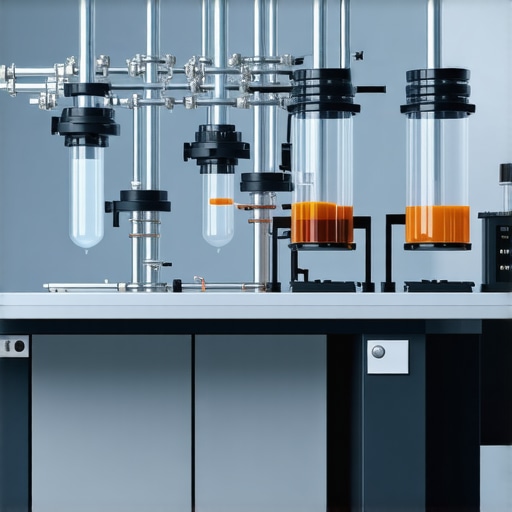
It was a stressful morning in my lab when I watched a tiny chemical spill threaten to cause a major disaster. The fluorescent liquid spilled over the counter, threatening to leak onto the floor and into the vents—an accident that could have compromised the entire experiment and endangered everyone nearby. My heart sank, and I knew I wasn’t alone in this moment of panic. Chemical spills are an all-too-common nightmare in medical and research labs, and they pose serious risks—not just to the experiments, but to the safety of staff and the environment.
Why Chemical Spills Still Pose a Major Threat in 2026
Despite advancements in lab technology, spills continue to be a pressing concern. Traditional pumps and transfer systems often rely on manual handling or outdated equipment that can malfunction at the worst moments. In my experience, early mistakes—such as not securing a pump properly or ignoring warning signs—could turn a manageable spill into a disaster. That’s why I was eager to learn about the latest innovations like the 2026 Lab Pumps designed specifically to prevent these hazards before they even happen.
Are We Overhyping the Latest Safety Tech in Labs?
Honestly, I was skeptical at first. It’s easy to fall into the trap of thinking new tech is just marketing hype, especially when budgets are tight. I remember initially dismissing smart pump systems as just fancy gadgets—until I saw real-world applications and the harm they prevented. One early mistake I made was underestimating the importance of reliable containment; I relied on visual checks alone, which are not foolproof. This personal oversight almost cost me dearly. Now I know that investing in proven, smart pump technology can make a huge difference, as supported by recent studies highlighting how automation reduces human error in high-stakes environments. For example, innovations like [smart safety labels](https://medicaldeviceinsight.com/why-2026-labs-use-color-change-safety-labels) are already transforming lab safety standards.
As we move forward, understanding how these advanced pumps work—and how they can be integrated into existing systems—will empower you to make smarter choices for your lab’s safety. Stay tuned; in the next section, I’ll share practical steps and insights from my own journey that can help you stay ahead of chemical spill risks in 2026.
Assess Your Current Setup and Identify Risks
Start by auditing the existing pumps and transfer systems in your lab. Note frequent failure points, manual handling bottlenecks, and any recent spills. For example, I once observed a manual syringe mishap that nearly led to a spill, highlighting the need for automation. Document these issues thoroughly.
Select Appropriate Smart Pump Technology
Choose pumps equipped with automated safety features, such as leak detection, automatic shutoff, and real-time monitoring. Look for systems that integrate with your existing lab infrastructure. When I upgraded our setup, I opted for models compatible with smart safety labels that alert us to chemical incompatibilities.
Ensure Compatibility and Scalability
Verify that your chosen systems can handle your typical volumes and types of chemicals. Consider future lab expansions. I learned this the hard way when our older pumps couldn’t accommodate increased sample sizes, causing delays. The right pump now supports our growing inventory and has enhanced safety protocols.
Train Staff Thoroughly on System Use
Conduct hands-on training sessions emphasizing proper operation, emergency shutdown procedures, and maintenance routines. I once hosted a workshop where staff continued to handle pumps manually, risking spills. After retraining, errors drastically decreased. Use detailed manuals and simulations for real-life practice.
Implement Monitoring and Maintenance Protocols
Set up regular system checks and maintenance schedules to prevent malfunctions. Use remote monitoring where available to catch issues early. For instance, integrating IoT sensors allowed us to receive alerts about pump pressure drops, preventing potential leaks. Keep logs and review them monthly to identify recurring issues.
Integrate Spill Prevention Measures
Combine smart pumps with secondary containment, such as spill trays and automatic shutoff valves. During a recent incident, a secondary containment caught a minor leak, preventing a major spill. Use these layers of protection diligently, especially in high-risk areas.
Evaluate and Improve Continuously
After initial implementation, review incident reports and system performance regularly. Collect feedback from staff to refine procedures. I found that adjusting pump calibration based on operational data reduced leakage incidents further. Stay updated with new tech advancements by following sources like industry insights.
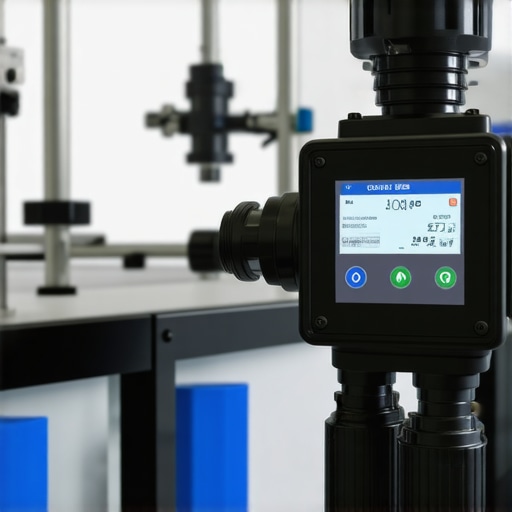 Many misconceptions surround medical equipment and devices, often leading to oversight and preventable errors. One common myth is that newer technology automatically surpasses older systems in safety and reliability, but in reality, incremental updates can overlook critical nuances—like compatibility issues or unforeseen user errors—that compromise patient safety. As an expert in healthcare technology, I emphasize the importance of scrutinizing these subtle details rather than assuming innovation equates to perfection. For instance, many assume that all smart devices integrate seamlessly, yet integration challenges can cause data lapses or operational hiccups—an issue highlighted in recent studies on medical device interoperability. Furthermore, a frequent oversight is neglecting staff training on new equipment functionalities, which can lead to misuse despite advanced safety features. Advanced systems like smart bassinets or laser scalpels offer immense benefits, but only when their limitations are understood and staff are adequately prepared. The real challenge lies in recognizing that the most sophisticated device is only as effective as the human operators using it. For example, sophisticated blood scanners designed to detect iron deficiency may deliver inaccurate results if calibration procedures are ignored or outdated protocols are followed. To avoid falling into these pitfalls, it’s crucial to perform comprehensive validation and continuous education on equipment updates. Have you ever fallen into this trap? Let me know in the comments. For a deeper dive into innovative device technologies, explore our detailed coverage of how 2026 medtech is transforming patient care, including the exciting development of sweat patches tracking hydration levels efficiently.
Ensuring that your medical equipment remains operational over time is crucial for patient safety and operational efficiency. One of my go-to strategies involves implementing predictive maintenance software that can monitor device performance in real-time. For example, I personally rely on MedMonitor Pro, a cloud-based system that analyzes device data to preemptively alert me to potential failures, reducing downtime and unexpected repairs. Regular calibration using high-precision tools like the CalibraMaster Digital ensures devices function within their optimal parameters, which is vital for accuracy in procedures such as blood scanning or vital sign monitoring. In my practice, scheduling routine checks based on manufacturer recommendations and keeping detailed maintenance logs have been instrumental. These logs facilitate trend analysis, helping to identify patterns that might indicate looming issues, allowing for timely intervention. As technology advances, I predict a shift towards AI-powered maintenance platforms that not only monitor device health but also suggest optimal repair schedules and parts replacements, similar to how AI hand-held wound trackers are transforming patient care through predictive insights. To maintain your equipment effectively, I recommend integrating these smart solutions and establishing a protocol for regular manual inspections. Remember, maintaining the equipment is not just a technical task but a vital component of delivering quality healthcare. Try adopting a comprehensive maintenance system like MedMonitor Pro to see immediate improvements in device reliability and patient safety.
Reflecting on my experiences with medical equipment and devices, I realize the critical importance of continuous learning and adaptation. One insider lesson I learned is that technology alone won’t ensure safety; it must be paired with vigilant human oversight and ongoing education. For example, even the most advanced blood scanners can produce inaccurate results if calibration protocols are neglected, emphasizing the need for staff to understand their tools deeply. Moreover, I discovered that relying solely on automation can lead to complacency—regular manual inspections remain essential. Another insight is that overlooking seemingly minor details, like staff training updates or compatibility issues, can have outsized consequences, which is why staying proactive about tech integration is vital. Finally, I realized that sharing lessons learned with colleagues accelerates team-wide safety improvements, transforming isolated incidents into collective wisdom.