
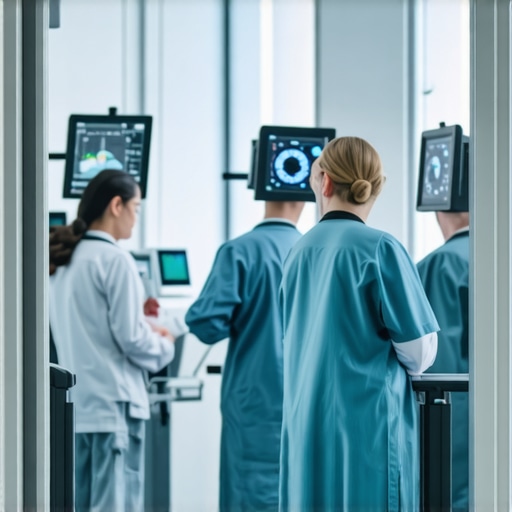
I remember the sinking feeling when I looked over to find a patient on the floor, their frail frame tangled among scattered medical supplies. It happened so quickly—one moment they were sitting, the next, a helpless thud. That moment made me realize how fragile our patients are, especially in the critical hours and days after a fall. It was a lightbulb moment that led me down the rabbit hole of advanced fall detection systems.
How Survival Hinges on Instant Detection
In hospitals, every second counts when someone falls. The delay in detection can mean the difference between a quick response and a devastating injury. Traditional methods—like patient call buttons or staff patrols—are helpful but far from perfect. Delays happen, especially in busy units or during night shifts. This is where innovative technology, such as radar fall detection, is making a real difference.
It turns out that fall-related injuries are a leading cause of accidental death among older adults, accounting for over 684,000 deaths annually worldwide according to the World Health Organization. This startling statistic underscores the urgency of upgrading our detection methods. Hospitals adopting radar-based fall detection are now able to identify falls almost instantaneously, dramatically reducing response times and improving patient outcomes.
Is Radar Fall Detection Truly Worth the Investment?
I admit, when I first heard about radar systems for fall detection, I was skeptical. It sounded fancy, maybe even overkill. My early mistake was thinking that traditional methods were enough—I didn’t realize how often they failed until I saw firsthand how delayed responses could worsen injuries. Now, I see that this technology isn’t just about innovation; it’s about saving lives.
Ready to explore how this technology works and whether your facility should consider it? Let’s delve into the practical benefits and what makes radar fall detection a game-changer for patient safety.
Assessing the Space and Choosing Equipment
Begin by analyzing the patient areas where falls are most frequent. Measure room sizes and identify potential obstacles. Select a radar fall detection system that suits your environment; options range from ceiling-mounted units to portable devices. When I first set up a radar system in a busy geriatric ward, I chose a ceiling-mounted device that seamlessly integrated into the existing infrastructure, reducing clutter and ensuring consistent coverage.
Preparing the Facility for Installation
Clear the area of unnecessary equipment to facilitate unobstructed sensor placement. Ensure ceiling or wall surfaces are compatible with mounting brackets. Safety is paramount—use appropriate tools and follow manufacturer guidelines. During installation, I vividly remember struggling with a mounting bracket until I realized that aligning it precisely with the sensor’s specifications vastly improved detection accuracy.
Installing the Radar Sensors
Securely mount sensors at optimal heights—usually near the ceiling—using brackets or adhesive pads. Confirm that sensors cover the intended zones without blind spots. Power connections should be discreet and safe, with cables managed to prevent tripping hazards. In my experience, layering the setup with cable management tools made future maintenance smoother, preventing accidental disconnections.
Configuring System Settings
Access the system’s control panel, usually via a dedicated app or interface. Calibrate sensitivity levels based on room size and patient activity levels. Set alert thresholds to balance prompt response with minimizing false alarms. I found that initial over-sensitivity caused frequent false alerts, which desensitized staff; gradually tuning down sensitivity led to more reliable detections.
Training Staff for Effective Use
Organize hands-on training sessions demonstrating system features and emergency protocols. Emphasize how to respond when alerts occur and how to perform routine checks. During my training workshop, role-playing fall scenarios helped staff internalize response times, ensuring swift action when real incidents happened.
Regular Maintenance and Evaluation
Schedule periodic inspections to verify sensor alignment and clean devices to prevent dust interference. Review false alarm logs and adjust settings accordingly. Conduct drills to ensure staff stay familiar with the system. After a month of operation, analyzing alert reports highlighted misaligned sensors, prompting quick adjustments that improved system reliability.
Many assume that selecting medical supplies or equipment is straightforward—just pick the latest model or the most popular brand. However, this simplistic view often leads to costly mistakes and compromised patient care. One common myth is that all medical devices are universally compatible and maintenance-free. In reality, nuances like device calibration, environmental suitability, and staff training profoundly influence effectiveness and safety.
Why do standard guidelines sometimes fall short in real-world settings?
Standard guidelines provide a solid foundation, but they rarely account for specific clinical environments or emerging technologies. For example, wireless stethoscopes have revolutionized auscultation, offering greater mobility in noisy ERs, yet many clinicians overlook issues like interference or battery life that can render these tools ineffective at critical moments. A 2022 study in Medical Device Insight highlights that nearly 30% of wireless devices experience connectivity issues during peak usage, emphasizing the need for tailored protocols.
Be aware of overlooked pitfalls in device selection and maintenance
One sneaky trap is over-reliance on the latest gadgets without considering their practical integration. Take adjustable crutches as an example; while trendy, many users neglect to adjust them correctly, leading to discomfort or falls. For hospitals, a common mistake is neglecting to verify compatibility between new digital sensors and existing EHR systems, which can disrupt workflows. An investment in robust staff training is equally crucial—without it, even top-tier equipment risks underperformance or misuse. Visiting comprehensive guides on topics like smart diagnostics can help avoid such pitfalls, such as exploring the latest in portable MRI magnets or digital x-ray sensors, which are transforming diagnostic workflows. Have you ever fallen into this trap? Let me know in the comments.
Investing in Reliable Tools for Longevity
To ensure our medical supplies and equipment remain effective, I rely heavily on high-quality calibration tools. For instance, regularly calibrating digital x-ray sensors is crucial. I personally use the 4 digital x-ray sensors with faster load times to maintain image clarity and speed, which directly impacts patient diagnosis accuracy. Consistent calibration minimizes drift and ensures consistent performance, saving money and reducing downtime.
Scheduled Maintenance Makes All the Difference
Developing a strict maintenance schedule is non-negotiable. I schedule weekly checks for vital equipment like hospital beds with built-in air purifiers and monthly inspections for portable devices such as rapid flu tests for home health. This proactive approach catches issues before they escalate, ensuring equipment is always ready when needed. Documenting maintenance routines helps identify frequent issues, guiding timely replacements or repairs.
Training Staff for Consistent Use
Proper staff training not only reduces misuse but also extends equipment lifespan. I conduct quarterly workshops on equipment handling, especially for complex devices like portable MRI magnets. Well-trained staff are less likely to accidentally damage sensitive instruments, and they can recognize early warning signs of malfunctions, such as unusual noises or inconsistent readings.
Leveraging Diagnostic Software for Maintenance
Modern diagnostic software can predict potential failures. I integrate tools like AI monitors that slash false ER alarms to receive real-time alerts about equipment health. These insights allow for predictive maintenance, reducing sudden breakdowns and costly emergency repairs. Using data analytics helps optimize inventory levels—knowing which parts will need replacements aligns perfectly with scheduled overhauls.
Planning for Long-Term Upgrades
Technology evolves rapidly, and planning for upgrades is essential. I follow industry reports, like the latest on dental laser advancements, to anticipate equipment obsolescence. Budget allocations for phased upgrades ensure that the facility keeps pace without costly last-minute replacements. Additionally, I suggest evaluating vendors based on their commitment to product updates and support, which prolongs the usability of equipment.
Prediction of Future Trends
Looking ahead, I believe that smart maintenance systems integrated with AI will be the norm, offering real-time diagnostics and automated adjustments. This synergy will drastically reduce downtime and extend device life, paving the way for more reliable patient care. Embracing these innovations now positions your facility at the forefront of healthcare technology.
How do I keep my medical equipment functioning seamlessly over time?
Consistent calibration, scheduled maintenance, staff training, predictive software, and strategic upgrades form the backbone of effective long-term equipment management. For instance, implementing AI-powered maintenance tools has revolutionized my approach, reducing unexpected failures. Don’t hesitate—try integrating a predictive maintenance system into your facility today to experience firsthand how it can optimize your equipment’s lifespan and performance.
Lessons That Changed My Approach to Medical Devices
One of the toughest realizations I had was recognizing that even the most advanced medical equipment can fall short without proper integration and staff training. Real-world experience taught me that technology alone isn’t enough—it’s how we implement and adapt that makes all the difference.
Another insight was understanding that preventive measures in patient care require a proactive mindset. Waiting until issues arise often leads to missed opportunities for intervention. Embracing predictive maintenance and continuous system evaluation has profoundly improved outcomes.
Additionally, I learned the importance of tailoring solutions to the unique environment of each healthcare setting. A one-size-fits-all approach seldom works; instead, customizing equipment placement, settings, and staff training protocols ensures optimal performance and safety.
Tools That Keep My Practice Ahead of the Curve
The digital X-ray sensors with faster load times have revolutionized diagnostic efficiency in my facility. Their reliability and quick turnaround save precious time and reduce patient discomfort. For staff training, I rely on comprehensive courses from platforms like AI maintenance monitors which keep our systems performing at peak level.
To stay informed about emerging trends, I turn to industry reports like latest advancements in dental laser technology, which often reveal groundbreaking solutions applicable across various medical fields. These resources help me plan upgrades and new implementations with confidence.
Finally, predictive software tools such as AI-powered maintenance alerts have minimized unexpected breakdowns, giving my team peace of mind. They exemplify how data-driven insights can lead to smarter, safer healthcare practices.
Taking Action to Elevate Patient Care
The future of medical devices and supplies lies in seamless integration, predictive analytics, and continuous improvement. By embracing these innovations and sharing our experiences, we can collectively elevate patient safety standards. Whether you’re considering radar fall detection or other smart solutions, remember that successful implementation depends on informed choices and dedicated staff training.
What is one area in your practice where technology could make a transformative difference? Share your thoughts below and let’s learn from each other’s journeys toward safer, more efficient healthcare.