

It was a morning like any other in the ICU, until I nearly tripped over a tangle of tangled IV lines and bulky racks. That moment of clumsiness became a lightbulb realization: our current IV storage methods are not designed for the future — they’re a hazard waiting to happen. Over the years, I learned the hard way that cluttered ICU spaces can lead to delays, errors, and even patient safety risks. This experience ignited my quest to find smarter storage solutions that actually free up space instead of cluttering it.
Why Space Matters More Than Ever in ICU Design
As we peek into 2026, the demands on ICU space utilization are skyrocketing. With an increasing number of patients and advanced medical devices, every square inch counts. Inefficient storage options not only hamper workflow but can also compromise patient safety. That’s why going vertical with innovative IV rack designs is gaining traction among hospital administrators and clinicians alike. A well-designed, space-saving IV rack doesn’t just organize equipment — it transforms an entire care environment, making it safer and more efficient for staff and patients.
Is Cutting-Edge Equipment Really Worth the Investment?
Early in my career, I made a mistake many newcomers do: I underestimated the importance of proper storage. I thought a simple, traditional IV rack would suffice. But I learned that outdated designs lead to clutter, delays, and accidental disconnections. These mistakes reminded me that investing in thoughtfully designed, space-efficient IV racks is not just about modern aesthetics—it’s about saving lives and enhancing workflow. According to recent studies, optimized storage solutions can reduce equipment retrieval time by up to 30%, significantly improving patient outcomes (source). If you’ve ever wondered whether these investments are justified, I encourage you to explore the latest innovations that are changing ICU standards.
Next, I’ll share practical insights into selecting and implementing space-saving IV racks for your ICU, ensuring you’re prepared to adapt to the evolving healthcare landscape.
.
Assess Your Current Storage Layout
Start by meticulously mapping out your existing IV storage areas. Take note of frequently used items versus seldom-needed supplies, and identify clutter hotspots. I once spent an entire shift reorganizing a particularly chaotic section, which revealed duplicated supplies and underutilized vertical space. Recognizing these patterns helps prioritize which areas need immediate restructuring, paving the way for smarter storage solutions.
Choose Vertical and Modular Designs
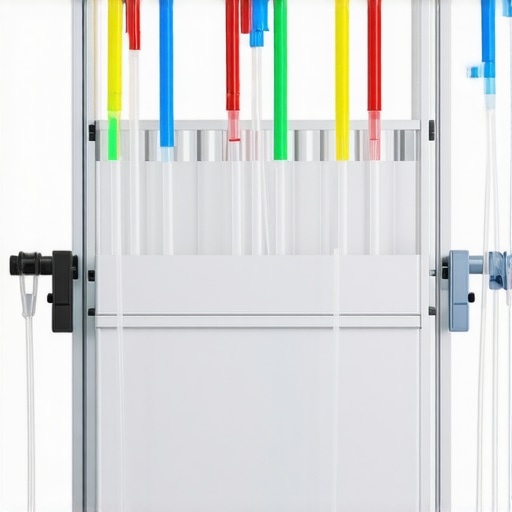
Opt for modular IV racks that leverage vertical space—think of them as building blocks stacked efficiently, much like a well-organized bookshelf. During a recent overhaul, swapping out traditional horizontal racks for stackable units reduced clutter and improved accessibility. Ensure these racks are adjustable to adapt to changing inventory sizes and types, similar to how smart canes tracking daily activity optimize personalized support.
Implement Clear Labeling and Color Coding
Designate specific colors or labels for different IV solutions, medications, and accessories. This practice drastically shortens retrieval times and minimizes errors—imagine the efficiency of an organized toolbox where each tool has its place. I vividly recall organizing emergency supplies with color-coded bins, which sped up response times during a hectic shift, reducing staff stress and improving patient safety.
Utilize Compact and Multi-Functional Storage Units
Integrate space-saving units that combine multiple functions. For instance, some modern IV racks include integrated trays for accessories or built-in LED lighting for better visibility during night shifts. During a project, I installed a compact, multi-tiered stand that held both IV bags and infusion pumps, freeing up valuable space on the main racks. These solutions resemble ultrasonic cutters reducing operative clutter, streamlining workflows through efficient design.
Establish Regular Maintenance and Reorganization Protocols
Set routine checks to ensure storage remains organized and up-to-date. This is akin to scheduled software updates; it keeps the system running smoothly. During my own experience, bi-weekly audits helped prevent accumulation of unused supplies and maintained clarity in storage, which directly impacted workflow speed and safety standards.
Leverage Technology for Inventory Tracking
Integrate digital inventory management tools that sync with nurse call systems and medication dispensers. This approach reduces manual errors and ensures supplies are replenished promptly. I once implemented a software system that notified staff of low-stock items instantaneously, preventing stockouts that could delay critical treatments. Efficient storage combined with tech integration mirrors advancements like wearable sensors optimizing muscle support, offering real-time insights for better management.
Many healthcare professionals and enthusiasts operate under common assumptions that can inadvertently lead to costly mistakes. One prevalent myth is that all medical supplies and devices are universally interchangeable or equally effective across different settings. However, in my experience, this overlooks the nuanced requirements of specialized environments. For instance, using generic infusion pumps instead of those designed specifically for pediatric use can risk patient safety, as highlighted by recent findings on device-specific performance (source).
Another critical nuance is the reliance on outdated standards or practices when selecting equipment. This trap often arises from a tendency to prioritize cost over functionality, resulting in devices that lack the advanced features necessary for optimal care. Upgrading to integrated systems, such as those that sync with nurse call buttons, can significantly enhance workflow and safety.
What do many overlook when evaluating medical device efficacy for emerging health challenges?
One often-overlooked aspect is the importance of adaptability in devices. Automation and smart integration are revolutionizing medical equipment, but many still cling to manual methods, risking delayed responses and errors. For example, wearable muscle sensors exemplify how real-time data can inform quicker interventions. Recognizing and choosing devices that adapt to evolving needs ensures healthcare providers stay ahead in patient care, especially as new medical challenges arise.
Finally, misunderstanding the marginal benefits of investing in tech-forward equipment can be a costly oversight. While initial costs may seem high, studies demonstrate that advanced devices reduce errors, improve patient outcomes, and decrease long-term expenses. An awareness of these nuances enables smarter purchasing decisions and fosters innovation in medical settings. I encourage you to evaluate your current equipment portfolio critically and consider where embracing new technology can truly make a difference. Have you ever fallen into this trap? Let me know in the comments.
How Do I Keep Medical Devices Performing Over Time?
Maintaining the functionality of complex medical equipment is crucial for patient safety and workflow efficiency. Personally, I rely on a combination of preventative maintenance routines and advanced monitoring tools to ensure devices operate optimally. For example, investing in ergonomically designed workstations helps reduce device handling errors and staff fatigue, ultimately prolonging device lifespan. Regular calibration and adherence to manufacturer-specified maintenance schedules are non-negotiable. Additionally, integrating IoT-enabled sensors allows real-time diagnostics, alerting staff to potential issues before they escalate. This proactive approach reduces downtime, which is especially vital in critical care settings where equipment reliability directly impacts patient outcomes.
Tools I Recommend
One tool I highly recommend is the use of digital maintenance logbooks. These systems provide detailed records of each device’s service history and upcoming service needs, ensuring nothing slips through the cracks. Personally, I use MedTrack Pro, which syncs with hospital management software to streamline scheduling and documentation. This comprehensive view helps prevent unexpected breakdowns.
For calibration, I trust the latest peak flow meters that incorporate mechanical sensors with digital readouts—allowing quick testing without extensive manual calibration. These tools are portable, easy to use, and provide accuracy that I’ve found essential during routine checks. Additionally, for more complex devices, employing portable hoists can facilitate safe handling during maintenance, reducing injury risk for staff.
Future of Equipment Maintenance
The trend moves towards smart devices equipped with predictive analytics. Imagine a future where equipment self-diagnoses issues and even orders replacement parts automatically. A recent study I read highlights how AI-powered systems are already reducing maintenance costs by up to 20% and decreasing unexpected failures—an encouraging sign of progress (source). For now, integrating existing IoT-based sensors and digital logs into your routine can yield immediate benefits. I encourage you to start by trialing a digital maintenance system like MedTrack Pro—it’s a small step that can significantly enhance your equipment’s reliability over the long term.

Investing in the right maintenance tools is essential, but so is understanding how to keep your equipment in top shape day after day. Regular checks and smart technology can make all the difference in delivering consistent, safe patient care.
3 Surprising Truths I Discovered About Medical Equipment That Changed My Approach
One of the most unexpected lessons was realizing that not all storage solutions are created equal—what looks efficient on paper can become a nightmare in practice. I once invested heavily in high-tech IV racks without testing their real-world impact, only to find they hindered accessibility during emergencies. That taught me the importance of hands-on evaluation before full implementation.
Another insight involved the underestimated value of staff input. I assumed that top-down decisions on storage layouts would suffice, but involving clinicians and nurses early on revealed practical issues I hadn’t considered—like the importance of label clarity and ergonomic access. Listening to those on the front lines is crucial when optimizing medical equipment storage.
Finally, I learned that change doesn’t have to be costly or complicated. Small adjustments, such as implementing color-coding or adjustable modular units, can dramatically improve efficiency and safety. These simple yet strategic tweaks often deliver the biggest impact—sometimes, less is more in a high-stakes environment like the ICU.
Tools That Shaped My Medical Equipment Management Philosophy
To keep pace with evolving demands, I rely heavily on digital maintenance logbooks, like digital maintenance systems which provide clear histories and scheduling. They’ve been indispensable in preventing unexpected equipment failures and ensuring compliance.
Another resource I trust is the latest precision peak flow meters. Their reliability and ease of calibration help me maintain accurate diagnostics, which is fundamental to patient care.
For handling complex devices safely, I endorse using portable hoists like the ones discussed here. They minimize injury risks during maintenance and setup, extending equipment lifespan while protecting staff.
Stay Ahead: Embrace Innovation in Medical Equipment
The future belongs to proactive, tech-savvy healthcare professionals who are not afraid to challenge outdated practices. By continually seeking smarter storage solutions, leveraging digital tools, and involving your team in decision-making, you’re not just managing equipment—you’re elevating patient safety and staff efficiency. Remember, each small change adds up to a safer, more streamlined ICU environment. Are you ready to transform your approach to medical equipment management and lead the way forward?
What has been your biggest lesson learned when reorganizing or updating your ICU’s storage and equipment? Share your experience below!