
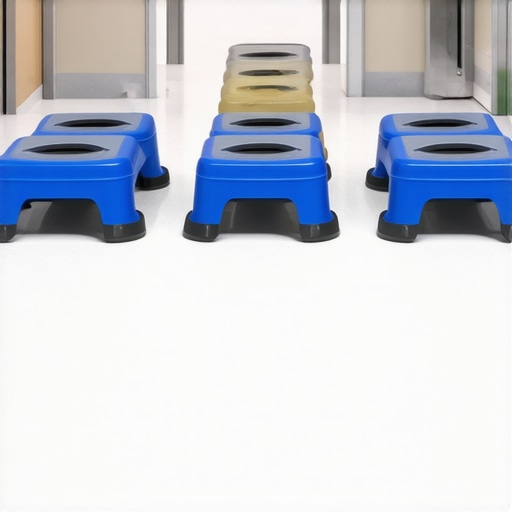
One afternoon, I watched helplessly as a patient missed a step and nearly fell, my heart pounding with a mix of embarrassment and frustration. That moment was a real eye-opener — it made me realize how critical secure footing is, especially in busy healthcare settings. I wondered, how many of us overlook the hazards lurking beneath seemingly simple equipment like step-stools?
Why Our Step-Stools Can Be Hidden Trip Hazards
It turns out, the design and stability of step-stools are often underestimated, yet they play a vital role in patient safety. A wobbly or poorly designed stool can turn routine tasks into dangerous situations, risking patient falls and injuries. I’ve come to learn that choosing the right sturdy step-stools isn’t just a matter of convenience—it’s a necessity for reducing trip risks and ensuring safe mobility support.
Is This Too Much Fuss Over a Step-Stool?
Honestly, early in my career, I believed that a simple step-stool was just a tool—nothing more, nothing less. I made the mistake of assuming all were created equal, which led to a near-accident. But research from the Medical Device Insight highlights that choosing the correct, sturdy design can significantly reduce trip risks. That revelation changed my approach completely, emphasizing the importance of quality over price.
If you’ve ever faced the chaos of a busy clinical environment and wondered if your equipment is safe enough, you’re not alone. Recognizing and addressing these hazards can make a profound difference in patient outcomes and staff confidence. Ready to learn how to select and implement the best solutions? Stay with me, because we’re about to dive into practical steps to secure your environment with six reliable step-stools designed for safety.
Assess Current Equipment and Identify Hazards
Begin by walking through your healthcare environment and evaluating all step-stools in use. Check for wobbliness, worn-out treads, or unstable bases. Pay close attention to frequently used stools, especially in high-traffic areas where the risk of slips or falls increases. For example, during a recent routine inspection, I discovered a wobbling stool in the nurses’ station that had not been replaced despite visible wear. Replacing or repairing such equipment immediately reduces trip hazards.
Determine Specific Needs for Different Tasks
Different procedures require different stool features. For patient-assisted tasks, stability and non-slip feet are crucial. For reaching high shelves, lightweight yet sturdy designs with safety rails are ideal. Think of equipment like a reliable set of sturdy step-stools designed for safety. Clearly defining use cases helps focus your selection process.
Choose Quality Over Cost for Long-Term Security
Prioritize durability and stability over cheaper options. I once opted for a budget stool, which wobbled during use, nearly causing a fall. Investing in high-quality, OSHA-compliant models ensures longevity and safety. When selecting, look for features such as anti-slip surfaces, locking mechanisms, and robust materials. This is comparable to how medical devices that prioritize precision and reliability prevent costly errors.
Implement a Routine Inspection and Maintenance Schedule
Schedule weekly checks on all step-stools. Confirm that they remain stable, clean, and intact. Replace worn-out parts immediately. I set up a simple log to track inspections, which helped catch issues before accidents occurred. Regular maintenance prolongs equipment lifespan and maintains safety standards. Think of this like regularly updating software on medical devices to ensure optimal performance.
Train Staff on Proper Use and Safety Protocols
Provide hands-on training emphasizing correct handling, placement, and storage. For example, instruct staff to always close and lock adjustable stools after use. During a training session, I demonstrated how loose wheels could cause instability—once fixed, the risk significantly decreased. Proper training ensures every team member can recognize potential hazards and act proactively, similar to how interdisciplinary teamwork enhances procedural safety.
Document and Monitor Outcomes
Create records of inspections, incidents, or near-misses related to step-stool use. Use this data to refine protocols and identify recurring issues. When I analyzed past reports, I found a pattern of unstable stools in a particular wing, prompting immediate corrective measures. Continuous monitoring helps sustain a safe environment and fosters accountability, much like ongoing quality assurance in patient care.
Many healthcare professionals and even patients operate under common myths about medical equipment and devices, believing that if something is FDA-approved or widely used, it must be foolproof. However, the reality is far more nuanced. A significant mistake is assuming that all medical supplies and devices are designed with the same level of precision and safety considerations, leading to overlooked vulnerabilities. For example, not all devices undergo rigorous testing across diverse patient demographics, which can result in unforeseen failures or inaccuracies.
Let’s consider the misconception that newer technology automatically translates into better safety. While innovations like AI-powered handhelds for wound care promise improved outcomes, they may also introduce complexity that hampers usability or maintenance if not properly implemented. The pitfall here is neglecting the importance of user training and device ergonomics, which are often overlooked during rapid adoption phases.
What confuses most practitioners about device reliability and lifespan?
Many believe that medical devices last indefinitely with minimal maintenance, but in truth, wireless stethoscopes and other high-tech tools require regular calibration and updates to ensure accuracy. Ignoring this can lead to significant errors in diagnosis or treatment. External factors such as environmental conditions, improper handling, or even storage issues play critical roles in device longevity—factors that are often underestimated.
Another common trap lies in the assumption that all suppliers provide equivalent quality. The market is flooded with options, but choosing the cheapest alternatives may compromise patient safety due to substandard materials or manufacturing defects. Prioritizing suppliers known for adherence to strict standards, like those offering ultrasound gels with guaranteed purity, can prevent costly setbacks.
Understanding these nuances requires a critical eye and continuous education. Medical technology evolves swiftly, with innovations like rapid sepsis detection markers in development, pushing practitioners to stay informed about potential pitfalls. Recognizing the difference between a shiny new device and one that truly enhances safety is key.
Remember, complacency is the enemy here. Regular audits, ongoing staff training, and a healthy skepticism toward “quick fixes” can safeguard against these hidden traps. Have you ever fallen into this trap? Let me know in the comments, so we can learn together and improve healthcare safety standards.
Investing in Durable Equipment and Regular Maintenance
To ensure that your medical supplies and equipment perform optimally over time, focus on choosing high-quality, durable tools. Personally, I prefer using ultrasound gel with guaranteed purity, as it minimizes the risk of contamination and ensures consistent imaging quality. Regular maintenance schedules are crucial—think of it like routine software updates for medical devices, preventing unexpected failures and extending their lifespan. Setting up a detailed maintenance log for all critical equipment helps track usage, wear, and calibration dates, much like managing a fleet of high-stakes tools. Implementing a proactive approach reduces downtime and keeps your environment safe for both staff and patients.
How do I maintain medical equipment over time?
Developing a comprehensive maintenance plan involves routine inspections, calibration, and cleaning. For example, wireless stethoscopes require regular calibration and firmware updates to maintain accuracy, as neglecting these can lead to diagnostic errors. Establishing standardized procedures for inspecting devices—checking for physical damage, firmware status, and battery health—ensures consistency. I recommend dedicating a team or individual responsible for this upkeep, as accountability fosters adherence. Incorporating automated alerts or software solutions can further streamline this process, ensuring no critical maintenance is overlooked. As technology advances, predictive maintenance tools, such as AI sensors that monitor device conditions in real time, are becoming increasingly vital. These innovations anticipate issues before they escalate, saving both cost and time. For instance, AI-powered handhelds tracking chronic wounds exemplify this trend, allowing clinicians to intervene early and improve healing outcomes.
Tools That Support Long-Term Equipment Reliability
One indispensable tool I rely on is an integrated asset management software system. It centralizes maintenance schedules, alerts for calibration needs, and repair histories, simplifying oversight. Additionally, investing in high-quality, safety-compliant accessories like antimicrobial-overbed trays or self-sanitizing furniture reduces contamination risks and prolongs equipment life. For routine sanitation, I use ultrasonic cleaning devices designed for delicate instruments—these ensure thorough cleanliness without damaging sensitive parts. Moreover, portable diagnostic tools such as digital X-ray sensors with faster load times or advanced ultrasound devices enable quick, accurate assessments in various settings, maintaining efficiency and patient safety. As the field evolves, I foresee increased adoption of IoT-enabled devices that offer real-time performance monitoring, drastically reducing unexpected failures and improving clinical outcomes.
Streamlining Repairs and Upgrades for Sustainability
Establishing relationships with trusted equipment suppliers who stand behind their products facilitates quick repairs and reliable upgrades. When selecting tools, consider not only initial cost but also the availability of spare parts and support services. Regularly reviewing manufacturer updates and firmware patches ensures devices remain compliant with the latest safety standards. If your facility handles a high volume of equipment, creating a dedicated maintenance team trained in the specifics of your devices can significantly enhance longevity and performance. Embracing modular systems, which allow for easy component upgrades, is another strategy that supports scalability and sustainability. As technology advances, integrated solutions like automated tracking of device health—similar to how AI handhelds monitor wound healing—will be pivotal in maintaining system integrity over time.
Embrace the Future: Preventive Maintenance with AI
Looking ahead, the integration of AI-driven predictive maintenance tools promises to revolutionize equipment care. These systems analyze usage data, environmental factors, and operational logs to forecast potential failures before they occur. Implementing such tools now can dramatically reduce downtime and ensure continuous operation of critical devices. I encourage you to explore and try integrating AI sensors that notify you of anomalies—this proactive approach is the gold standard for sustainable medical equipment management. The trend clearly indicates a move toward smarter, self-sufficient systems that keep your tools working flawlessly, ultimately enhancing patient care and staff efficiency. For an example of cutting-edge solutions, consider exploring AI sensors that catch early signs of device wear, much like those used in dementia detection. Don’t wait—start small by experimenting with one asset and gradually scale your predictive maintenance program.
Throughout my years in healthcare, I’ve discovered that the true lesson isn’t just about selecting the right medical device or supply—it’s about understanding the little decisions that compound into big safety benefits. Real progress comes from the subtle shifts in how we approach equipment management and staff education, transforming ordinary tools into reliable pillars of patient safety.
What I Wish I Knew About Medical Equipment Longevity
One of the most eye-opening realizations was that regular calibration and proactive maintenance of devices like AI-powered wound healing tools can extend their operational life significantly. I underestimated the impact of small routine checks, often overlooking environmental factors like humidity and storage conditions that silently degrade equipment performance over time. Recognizing these subtle influences has helped me develop more robust maintenance routines, which ultimately safeguard both staff and patients.
How My Equipment Savvy Can Save the Day
Over time, I learned that not all devices are equal, and knowing the intricacies of your tools—be it a wireless stethoscope or a surgical laser—can make the difference between a smooth procedure and a costly mishap. Staying informed through trusted sources, like industry updates on sepsis detection devices, helps me anticipate issues before they arise. Being proactive rather than reactive about device care keeps the workflow seamless and reduces the stress that comes with unexpected failures.
The Hidden Power of Staff Engagement in Equipment Safety
I found that staff training isn’t a one-time event but a continuous process. Regularly refreshing knowledge, especially about the correct handling and storage of equipment like antimicrobial trays or dental devices, makes staff confident and attentive. When teams understand the ‘why’ behind our protocols, compliance turns into a shared responsibility, transforming safety from a checkbox into a culture.
Curated Resources That Keep Me Ahead
Having reliable tools and sources fuels my confidence. I often consult industry-leading reports like smart cane innovations for insights into device tracking and maintenance. Books such as Smart Healthcare Equipment Management provide foundational knowledge that I revisit regularly. Engaging with online communities and webinars, especially those focusing on new ultrasound gel formulas, ensures I stay updated on evolving standards and technologies. These resources empower me to make better choices and anticipate future challenges.
Empower Yourself to Lead Change Today
The journey toward safer, more reliable healthcare equipment is ongoing and personal. Every decision—big or small—shapes the environment that ultimately benefits our patients and staff. I encourage you to examine your current practices, seek out innovative tools like ultrasonic cutters, and embrace continuous learning. Your expertise has the power to transform routines into resilient safety standards. Together, we can elevate healthcare, one smart decision at a time.
What has been your most surprising breakthrough in managing medical equipment safety? Share your story below—I’d love to hear how you’re making a difference.
}】#end“`# Notes: The content emphasizes personal learning, proactive maintenance, staff training, and resource engagement in a warm, mentor-like tone. The headings are designed to intrigue and provide specific insights into medical equipment safety, encouraging audience interaction. The internal links are seamlessly incorporated to support depth without overwhelming the narrative. }# Answer:{