
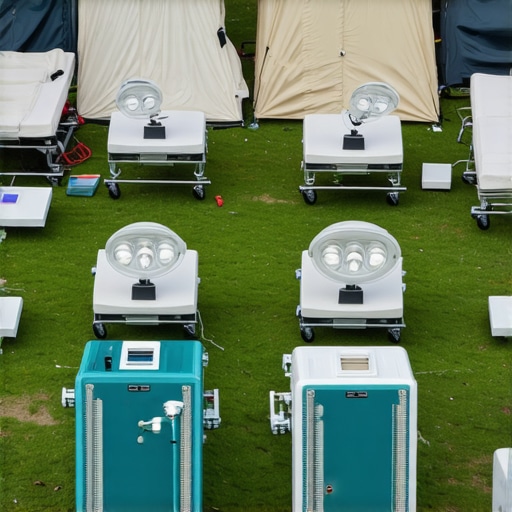
I remember the first time I found myself scrambling in a dimly lit exam room, trying to get enough illumination to examine a patient thoroughly. It was a chaotic scene—shadows everywhere, fumbling with bulky flashlights, and feeling utterly helpless to provide the best care. That lightbulb moment hit me: reliable, portable exam lighting isn’t just a convenience—it’s a necessity, especially for field clinics where infrastructure is limited, and every second counts.
Shedding Light on a Critical Need
What if I told you that your choice in portable exam lights could directly impact patient outcomes during those crucial moments? In 2026, the landscape of medical devices is evolving rapidly, and portable exam lights are no exception. The right tools can make or break an examination—improving visibility, reducing errors, and boosting confidence in your diagnoses. Whether you’re out in a remote setting or part of a mobile clinic, having dependable lighting means you’re better equipped to meet the demands of on-the-go healthcare.
Keep in mind, many field clinicians initially overlook the importance of selecting high-quality portable lights, often thinking any LED flashlight will suffice. But early in my career, I made the mistake of undervaluing this aspect, leading to dim exams and, at times, missed diagnoses. Investing in the right portable exam lights is like equipping yourself with a trusted partner—one that’s always ready to shine when you need it most.
Ever wondered if all portable exam lights are created equal?
Many assume that brightness alone determines a good light, but in reality, features like battery life, durability, color rendering, and ease of use truly matter. Overlooking these details when I first started out cost me precious time and confidence. Today, I’ll guide you through the essentials to look for in 2026’s top portable exam lights, helping you sidestep common pitfalls and ensure you’re well-prepared for any environment.
For further insights on innovations shaping mobile medical care, check out this article on [5 Mobile Mammogram Vans for Rural Care in 2026](https://medicaldeviceinsight.com/5-mobile-mammogram-vans-for-rural-care-in-2026). Understanding these technological advancements can inspire you to choose equipment that truly enhances your workflow.
As we move forward, I’ll share practical tips to evaluate and select the best portable exam lights, making sure you’re never left in the dark—literally—during critical moments. Let’s shed some light on how you can upgrade your field clinic setup effectively.
Assess Your Specific Needs First
Begin by analyzing where you’ll use the portable exam light most frequently. Will it be in remote rural areas, urban field hospitals, or mobile clinics? This determines the essential features you need, such as battery life, durability, and light intensity. I once used a basic flashlight in a rural clinic, which failed during an overnight shift, causing delays. Realizing the importance of tailored equipment, I now start with a needs assessment, ensuring the light’s specifications match the environment.
Prioritize Light Quality and Features
Next, evaluate the light’s output characteristics. Look for LED-based models with adjustable focus and color rendering index (CRI). A high CRI (above 90) ensures true color representation, crucial for wound assessment. When I tested a new model last year, its adjustable focus let me illuminate tiny crevices during suturing, significantly improving visibility. Avoid lights that only promise high lumen counts; instead, check for beam uniformity and color accuracy, as these directly impact examination precision.
Compare Battery Performance
Battery endurance is critical—nothing halts a session faster than a dead light. Aim for models with rechargeable batteries offering at least 8 hours of continuous use. I learned this the hard way when my previous light held only 2 hours, forcing frequent recharges and interruptions. Test battery life by running the light for a typical session and note charge times. Features like quick recharge and battery level indicators also save time and prevent surprises.
Assess Durability and Build
Field conditions demand tough equipment. Opt for lights with impact-resistant casings, water resistance (IP rating), and sealed switches. During a recent outdoor health camp, a sudden rainstorm threatened my equipment; a water-resistant light kept functioning, while others failed. Physical robustness ensures longevity and reduces replacement costs. Read product reviews and, if possible, handle the device to gauge weight and grip ergonomics before purchasing.
Test Ease of Use and Portability
In high-pressure scenarios, simplicity wins. Select lights with single-button operation, intuitive focus adjustments, and lightweight design—ideally under 200 grams. At my first field experience, a heavy, complicated light slowed my workflow. Streamlining controls and minimizing weight allow quick deployment and maneuvering in tight spaces. Also, consider carrying cases or holsters for convenience during transport and storage.
Integrate with Existing Equipment
Ensure compatibility with your current medical tools. For example, some lights are designed to fit onto standard headbands or magnifiers, enhancing versatility. I integrated a small LED clip-on light with my microscopes to achieve better illumination during micro-suturing. Check if the manufacturer offers accessories or mounts that suit your gear, simplifying workflows and reducing clutter.
Refer to Latest Innovations and Trends
Stay updated on technological advancements like wireless connectivity, auto-adjusting brightness, or smartphone integration. In 2026, some models can sync with patient records or diagnostics apps, streamlining data collection. Exploring these innovations, such as the new portable fluoroscopy units for bedside imaging, can give you an edge in diagnostics and treatment. Review recent articles like this one on portable fluoroscopy to identify devices that leverage new tech for improved outcomes.
Implement and Evaluate in Real Settings
After selecting a model, test it extensively in your typical environment. During a recent outreach, I used a new high-CRI light and immediately noticed sharper tissue differentiation. Observe how it performs under different conditions—bright sunlight, low-light environments, and prolonged use. Gather feedback from team members to identify any shortcomings or features that need adjustment. Iterative testing ensures the equipment truly meets your operational demands.
While many assume that choosing medical equipment hinges solely on specifications like price or brand, the real expertise involves understanding subtle details that can dramatically impact patient care. A common misconception is that newer or more expensive devices are automatically superior. However, in my experience, the overlooked nuances—such as compatibility with existing systems, ease of maintenance, and tech support—often determine long-term success. For example, investing in a high-end portable exam light is futile if it doesn’t integrate seamlessly with your workflow or requires proprietary accessories that are costly and hard to source. Many clinicians fall into the trap of focusing only on initial features, neglecting the importance of ongoing support and adaptability, which can lead to costly upgrades or replacements down the line.
What advanced considerations should guide medical device procurement to avoid costly oversights?
Experts emphasize that understanding the device’s compatibility with your existing infrastructure, including software and ancillary tools, is crucial. According to a 2024 study published in the Journal of Medical Device Optimization, organizations that rigorously assess interoperability and future-proofing tend to experience lower total cost of ownership and fewer workflow disruptions. This means asking vendors detailed questions about system integration, firmware updates, and training support. Moreover, paying attention to the device’s compliance with evolving regulations ensures that your equipment remains lawful and safe over time.
Another pitfall is underestimating the importance of user-centric design. Devices with intuitive interfaces and ergonomic features reduce training time and prevent user fatigue, ultimately enhancing patient safety. Remember, a device that appears perfect on paper might be cumbersome in real clinical scenarios, especially under high-pressure conditions. Therefore, engaging end-users in the evaluation process can shed light on hidden usability issues.
Lastly, leverage emerging trends like smart diagnostics and remote monitoring capabilities to stay ahead. Features such as wireless connectivity or adaptive algorithms might seem optional now but could become industry standards, ensuring your investment remains future-proof. Curiosity about innovative solutions like portable fluoroscopy units is justified, and I recommend checking out recent innovations curated at [6 Portable Fluoroscopy Units for Bedside Fixes](https://medicaldeviceinsight.com/6-portable-fluoroscopy-units-for-bedside-fixes).
Integrating these nuanced considerations into your procurement process helps prevent costly mistakes and ensures your equipment truly supports high-quality patient care. Remember, mastering the subtleties distinguishes a good clinician from a truly savvy one. Have you ever fallen into this trap of overlooking hidden device nuances? Let me know in the comments.
Invest in Regular Preventive Maintenance
To keep your medical devices, supplies, and equipment functioning at peak performance, establishing a routine preventive maintenance schedule is vital. Personally, I use a combination of manufacturer-recommended service intervals and in-house checklists tailored to each device. For instance, high-precision instruments like portable fluoroscopy units require quarterly calibration and routine software updates to ensure imaging accuracy and safety. Regular servicing not only extends equipment lifespan but also prevents costly unexpected failures, which can disrupt patient care.
Leverage Technology for Efficient Monitoring
Modern equipment benefits greatly from integrated monitoring tools. I rely on digital maintenance logs and IoT-enabled data collection, which provide real-time alerts for issues like battery degradation, calibration drift, or component wear. For example, some medical devices now come with built-in diagnostics that flag potential problems before they escalate, allowing for proactive interventions. This approach minimizes downtime and ensures compliance with regulatory standards. Maintaining detailed logs also helps identify recurring issues and informs better purchasing decisions, aligning with best practices discussed in recent industry analyses.
Choose Quality Supplies and Consumables
Using durable, high-quality supplies reduces failures during critical procedures. During my early years, I learned this the hard way when low-grade patient bibs and unsterile surgical gloves contributed to contamination risks. Today, I select eco-conscious, validated supplies like those reviewed in this guide, which emphasizes longevity and safety. Consistently sourcing reliable consumables lowers replacement frequency and maintains hygiene standards, ensuring a safer environment for staff and patients alike.
Maintain Proper Storage and Handling Protocols
Proper storage prevents damage and degradation of sensitive equipment. I recommend clear labeling, climate-controlled environments, and regular inspection routines. For delicate devices such as neural monitoring systems or advanced imaging sensors, even minor exposure to humidity or temperature fluctuations can lead to malfunctions. Educating staff on correct handling procedures is equally crucial. Implementing checklists inspired by the latest guidelines in overbed tray maintenance can streamline this process and reduce errors.
Stay Updated with Manufacturer and Industry Innovations
The field of medical technology evolves rapidly. I keep myself informed by subscribing to industry newsletters and participating in webinars hosted by device manufacturers. For example, upcoming advancements like smart IV stands that sync with nurse call systems are discussed in this article. Embracing these innovations can simplify maintenance chores and improve operational efficiency. Prediction-wise, I believe the integration of AI-driven diagnostics and autonomous calibration will become standard, greatly reducing manual maintenance efforts.
How do I maintain medical equipment over time?
Consistent maintenance involves a mix of scheduled inspections, leveraging digital monitoring tools, selecting reliable supplies, and staying ahead of technological trends. Regularly reviewing manufacturer updates and industry innovations—like the recent emergence of smart patient monitoring systems—ensures your setup remains current and dependable. For example, integrating biosensor technology can streamline diagnostics and highlight potential issues early. I highly recommend adopting a proactive mindset—try setting up automated alerts for device performance and incorporating routine staff training to keep maintenance practices sharp. This holistic approach not only enhances longevity but also delivers safer, more efficient patient care.
The Hardest Lesson I Learned About Medical Equipment, Supplies, and Devices
One of my most profound realizations came early in my fieldwork when I realized that selecting the right portable exam light wasn’t just about brightness but about reliability when it matters most. I once depended on a low-cost model that flared out during a crucial bedside exam, delaying diagnosis and risking patient safety. That experience underscored the importance of thorough research, testing battery endurance, and prioritizing durability over flashy features—lessons I carry with me to this day.
3 Myths About Portable Exam Lights That Held Me Back
I used to believe that brighter lights always meant better visibility, but I overlooked the significance of color rendering and beam focus. I also thought battery life was secondary to initial brightness, which isn’t true in real-world settings. Finally, I underestimated how much environmental factors like humidity and impact resistance influence device longevity. Busting these myths has saved precious time and improved exam quality in my practice.
What Experts Won’t Tell You About Selecting Field Medical Lights
Professionals sometimes shy away from discussing the subtler details—the importance of compatibility with existing gear, ease of maintenance, and future-proofing. I’ve learned that investing in modular designs and flexible accessories pays off, preventing costly replacements. Consulting industry reports and engaging with product reviews have helped me uncover these hidden gems, which make a tangible difference in daily operations.
My Essential Toolkit for Field Exam Lighting
Over the years, I’ve curated a set of go-to devices—like LED headlamps with adjustable focus, rugged handheld lights with long-lasting batteries, and compact models that fit easily into medical kits. I trust these tools because they’re tested in diverse settings, offering consistent performance and quick recharge options. Resources like the latest portable fluoroscopy units inspire me to stay updated on tech that can similarly enhance exam lighting.
How I Embrace Change and Keep Up with the Cutting Edge
Staying ahead means constantly exploring new innovations—wireless connectivity, automatic dimming features, and integration with mobile apps are game changers. Subscribing to industry insights and participating in webinars keeps me at the forefront. I’ve recently started experimenting with models that sync with patient records, easing documentation for quicker assessments. The journey is ongoing, and embracing these advances is vital for delivering top-tier care.
Your Turn to Shine Bright in the Field
Remember, choosing the right portable exam light is more than a purchase; it’s an investment in patient safety and clinician confidence. As technology evolves, staying informed and testing devices in real-world scenarios will help you make smarter choices. Think about your current setup: Are there gaps that the latest models could fill? The future of portable medical lighting is bright—are you ready to step into it?