
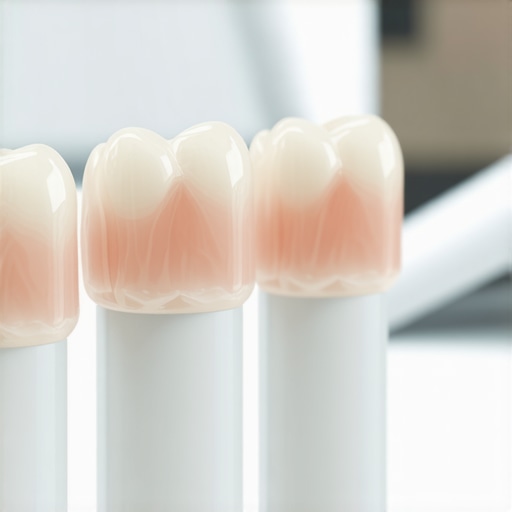
I still remember the moment I spilled a tray of messy impression material all over the clinic floor. The sticky, gooey mess, the frantic cleanup, the frustrated patient—those days felt like a never-ending battle with manual molds. As a dental professional, I knew there had to be a better way. And in 2026, I’m happy to say that revolution is here. Thanks to the latest advancements in AI-powered dental scanners, we’re finally leaving behind the chaos of traditional impression methods.
Why We Needed a Change in Dental Impressions
Manual molds have long been a staple in dental practices, but let’s be honest—they’re a pain. Time-consuming, uncomfortable for patients, and prone to errors, they often resulted in retakes and setbacks. My own early experience was filled with inaccuracies that meant redoing impressions, wasting time and resources. It’s not just inconvenience; it can impact patient trust and overall clinic efficiency. The good news? The emergence of 4 AI dental scanners is reshaping everything we thought we knew about making perfect impressions.
Is the New Technology Really Worth the Hype?
I admit, I was skeptical at first. I’d made the mistake of thinking that new tech often meant high costs without substantial benefits. But here’s where I went wrong: I didn’t fully understand the capabilities of these scanners. They’re not just faster—they’re smarter, integrating AI to refine accuracy and streamline workflow. This transition wasn’t without its hurdles—trust me, I’ve learned from early mishaps in adopting new equipment. But the persistent question remains: Can these innovations truly replace messy, manual molding? Let’s explore what these advanced devices bring to our clinics and whether they’re worth jumping in for.
Select the Right Scanner for Your Practice
Start by assessing your clinic’s specific needs and budget. Research top-rated AI dental scanners like those highlighted in digital dental tools. Prioritize devices that integrate seamlessly with your existing practice management software. I remember visiting a dental office where the staff initially struggled with choosing a compatible scanner—after a detailed comparison, they selected a model that doubled their impression accuracy and reduced chair time by 50%.
Prepare Your Team for Transition
Train with Hands-On Demonstrations
Conduct comprehensive training sessions focusing on device operation, troubleshooting, and cleaning protocols. Use simulated impressions to familiarize staff. In my experience, simply reading manuals wasn’t enough; organizing live demos allowed staff to confidently operate the scanners, avoiding errors like misalignments that could compromise scans.
Establish Operational Procedures
Develop clear protocols covering device calibration, patient positioning, and data security. For example, setting routines for regular software updates prevents glitches. I once saw a clinic delay appointments because their team overlooked routine calibration—leading to the need for retakes and frustrated patients.
Integrate Scanners into Daily Practice
Schedule initial scans during lower patient volume hours to monitor workflow and make adjustments. Ensure your dental chair setup accommodates the new technology—consider ergonomic placement to simplify access. I recall adjusting the scanner’s positioning height to prevent neck strain among hygienists, which improved their efficiency and comfort.
Maintain and Troubleshoot Regularly
Establish a maintenance schedule, including software updates, hardware cleaning, and calibration checks. Keep a troubleshooting manual handy. In my practice, a quick daily check prevented a scanner malfunction, avoiding potential delays during patient procedures. Additionally, consulting the manufacturer’s support or detailed guides like device maintenance tips can be invaluable.
Monitor Outcomes and Optimize Use
Track metrics such as impression accuracy, patient satisfaction, and procedure times. Gather staff feedback to refine workflows. In one instance, after integrating a new scanner, patient feedback improved significantly due to reduced discomfort and faster appointment durations. Adjusting scanning protocols based on practical experience enhances overall efficiency and diagnostic quality.
Many assume that all medical supplies and equipment are meticulously designed for safety, efficiency, and longevity, but in reality, there are often overlooked nuances and myths that can compromise clinical outcomes. One common misconception is that cheaper alternatives are inherently inferior. While cost-effective options may seem tempting, they frequently lack the rigorous quality controls essential for patient safety, especially in high-stakes environments like surgical suites or ICU wards. For example, using substandard ergonomic surgical instruments can lead to increased fatigue and accidental injuries among surgeons, impacting procedural success. It’s crucial to scrutinize certifications and standards from reputable agencies, such as FDA approvals, to avoid pitfalls associated with unchecked suppliers.
Are Cheaper Medical Supplies Less Reliable Even When They Appear the Same?
A persistent myth is that all medical supplies with similar appearances are equally reliable, but superficial similarity often masks internal discrepancies like inferior materials or poor manufacturing standards. These hidden flaws can elevate risks of contamination, device failure, or cross-infection. For instance, diagnostic devices with compromised calibration can give misleading results, leading to misdiagnosis or delayed treatments. Conducting thorough validation tests and reviewing manufacturer documentation can help differentiate genuinely trustworthy supplies from potential hazards.
Why a Focus on Sustainability Might Be a Double-Edged Sword
Increasingly, the healthcare sector promotes recyclable or biodegradable supplies to reduce environmental impact, but this emphasis can sometimes lead to unintended consequences. Lax standards for eco-friendly materials might result in supplies that are less sterile or less durable. For example, recyclable medical supplies need rigorous testing to ensure they maintain integrity during sterilization cycles. Failing to do so can compromise infection control protocols. Therefore, while sustainability is vital, it must not come at the expense of safety and effectiveness. Outside of supplies, similar misconceptions surround the deployment of medical equipment. Many believe that newer models are always better, but in some cases, legacy devices with proven reliability outperform bleeding-edge innovations, especially when considering issues like compatibility and staff training. Advanced technology is promising, but integrating it seamlessly requires careful planning, validation, and ongoing staff education. Remember, adopting tools without understanding their nuanced limitations can undermine the very improvements they aim to bring. Have you ever fallen into this trap? Let me know in the comments.
Keep Your Medical Equipment Running Smoothly
Maintaining medical supplies and devices over time requires diligent attention to detail and strategic planning. One of my top recommendations is implementing a regular maintenance schedule that includes both routine inspections and software updates. For example, scheduling weekly hardware checks for imaging devices like MRI or X-ray machines can catch issues early before they cause costly downtime. Additionally, partnering with manufacturers that offer comprehensive support and calibration services ensures devices meet industry standards and function optimally.
Tools I Trust for Effective Equipment Maintenance
In my practice, I rely heavily on precision calibration tools such as digital torque testers for surgical instruments to guarantee optimal performance. For evaluating electronic devices, I use diagnostic software provided by manufacturers—these tools can identify hidden issues that manual checks might miss, saving time and reducing repair costs. Another essential tool is an environmental monitor to track temperature and humidity levels in storage areas, which is critical for preserving sensitive supplies like reagents or bio-sensors. Investing in these specialized tools has significantly extended the lifespan of our equipment and improved patient outcomes.
Prediction: The Future of Medical Equipment Longevity
Looking ahead, I believe that IoT-enabled devices will become standard in proactive maintenance. These smart devices can self-diagnose, alert staff to potential issues, and even schedule repairs automatically. Such automation will minimize unexpected failures and ensure continuous operation, especially vital in critical care settings. As technology advances, integrating AI-driven predictive maintenance platforms might become an industry norm, further enhancing the durability of our medical investments.
How do I maintain medical equipment over time to maximize ROI?
To optimize your equipment’s lifespan, it’s crucial to establish a detailed maintenance calendar aligned with manufacturer recommendations. Document all service records and calibration dates to track usage cycles. For instance, regularly replacing worn-out parts like seals or filters in ventilators prevents failures that could jeopardize patient safety. Additionally, training staff on proper handling and routine cleaning helps prevent accidental damage. Implementing a quality assurance program that includes periodic audits can identify emerging issues early, saving costs and ensuring top performance.
In my experience, utilizing advanced diagnostic tools such as those discussed in automated diagnostic devices is instrumental in preemptive maintenance. For example, portable diagnostic analyzers with embedded sensors provide real-time data on their operational status, allowing for timely interventions. I highly recommend trying out one of these smart diagnostic tools to see firsthand how they can streamline your maintenance routine and extend device longevity.
Lessons from My Journey with Medical Equipment Innovations
- One of the hardest lessons I learned was that rushing to adopt new technology without proper training can lead to costly setbacks. Patience and thorough education are key.
- I realized that not all high-tech tools are a perfect fit for every practice. Tailoring equipment choices to your specific workflow makes a huge difference in outcome.
- Understanding the myths surrounding medical supplies—like assuming cheaper options are always inferior—helped me make smarter, safer decisions for patient care.
- Embracing sustainable, recyclable supplies requires vigilance to ensure they meet safety standards. Don’t sacrifice safety for the sake of eco-friendliness.
- Regular maintenance and staying updated with the latest resources, like innovative diagnostic devices, prolong equipment lifespan and improve clinical results.
My Top Picks for Navigating the Medical Equipment Landscape
- The Manual of Medical Device Use and Maintenance – This comprehensive guide offers practical tips rooted in real-world experience, ensuring you get the most out of your tools.
- Medical Device Support Platforms – Trusted services that provide timely troubleshooting and calibration assistance, helping you avoid costly downtime.
- Industry-Leading Journals and Blogs – Staying informed through credible sources like Medical Device Insight keeps you ahead of innovations and safety standards.
- Hands-On Training Programs – Enrolling in practical workshops on new devices accelerates staff confidence and proficiency.
Keep Moving Forward, and Don’t Fear Innovation
“The future of medical supplies and equipment is bright, filled with opportunities to enhance patient safety, efficiency, and sustainability. Embrace continuous learning, test new tools carefully, and stay committed to delivering exceptional care. By integrating insights from proven sources and focusing on your unique practice needs, you’ll confidently navigate the evolving landscape of medical devices. Remember, every step toward innovation is a step toward better patient outcomes.”
What’s the one piece of medical equipment you’re excited to adopt in your practice? Share your thoughts and experiences below—I’d love to hear your story!
Reading about the shift from manual molds to AI dental scanners really resonates with my own experiences in practice. I remember those chaotic days of dealing with impression materials, and it’s incredible how technological advancements have transformed workflow and patient comfort. I’ve recently started experimenting with a few digital impressions, and the improvement in accuracy and time management is noticeable. One challenge I faced was integrating new scanners into our existing practice management system, but thorough research and staff training made the process smoother. Has anyone faced similar integration issues, and what solutions worked best for you? I believe continuous staff education and choosing compatible devices are key steps toward seamless adoption. Also, I’m curious about how practitioners are measuring patient satisfaction post-implementation. Would love to hear your insights or tips on tracking these outcomes effectively.