

I remember the exact moment I felt truly exhausted at work—standing in a hospital hallway, feeling my back tighten and my energy drain faster than a smartphone battery. It was during a long shift, hours on my feet, juggling medical supplies, equipment, and patient needs. That lightbulb moment made me realize something had to change—fast. As a nurse, I’ve seen firsthand how fatigue isn’t just about feeling tired; it’s about risking patient safety, my own well-being, and overall job satisfaction.
The Struggle with Traditional Workstations in Healthcare
For years, nurses like me relied on standard desks and work setups, unaware that ergonomic design plays a crucial role in preventing fatigue. The constant bending, twisting, and awkward postures were taking a toll. I started searching for solutions that could help me work smarter—not harder. That’s when I stumbled upon the concept of 3 Ergo-Desks and their potential to revolutionize nurse workspaces. Implementing these innovative workstations promised to reduce strain and improve efficiency—something I desperately needed.
Is Investing in Ergonomic Equipment Really Worth It?
Early on, I was skeptical. I worried about the costs and whether these fancy desks would truly make a difference. Like many, I made the mistake of dismissing ergonomic upgrades as unnecessary perks rather than essential tools. But here’s the truth: studies show that proper ergonomic setup can reduce musculoskeletal disorders by up to 60% (source: Medical Device Insight). My own experience confirmed this—after switching to adjustable, ergonomic desks, my back pain lessened, and I felt more alert throughout my shifts.
If you’ve ever felt the same way—tired, strained, and running on fumes—then you know this is more than just comfort. It’s about safety, sustainability, and maintaining the passion that drove you into healthcare in the first place. So, how can three simple ergonomic investments fundamentally change your nursing experience? That’s what I hope to explore today, along with practical steps you can take starting tomorrow.
Position Yourself for Success
Start by assessing your current workspace. Remove unnecessary clutter and identify areas where you frequently experience strain or discomfort. I recall a night shift when my cluttered station made reaching supplies awkward. I cleared the space and repositioned frequently used items within arm’s reach, drastically reducing unnecessary movements. Use adjustable elements, like ergonomic desks designed for comfort, to customize your setup, ensuring proper alignment and reducing fatigue.
Implement Adjustable and Ergonomic Tools
Invest in height-adjustable desks that let you alternate between sitting and standing. During a hectic shift, I transitioned to a standing position using my adjustable standing frame, which helped alleviate back pain and improved my alertness. Incorporate ergonomic accessories like supportive chairs, footrests, and anti-fatigue mats. These elements distribute pressure evenly, minimizing joint stress and lower limb fatigue. For instance, I added a cushioned mat in front of my workstation, which made long hours more bearable.
Optimize Medical Supply and Equipment Placement
Arrange supplies logically, grouping frequently used items together. Think of your workspace as a type of surgical instrument tray; tools should be organized for quick access, reducing movement and strain. I set up a dedicated station for essential supplies like gloves, disinfectants, and documentation. Use labels and color-coding to streamline identification, saving seconds during emergencies and reducing the risk of reaching or twisting awkwardly.
Incorporate Technology for Efficiency
Leverage digital tools and devices to reduce manual movements. For example, utilizing AI-powered scanning systems for patient documentation can minimize repetitive manual entries. Position monitors and input devices at eye level to prevent neck strain—think of it like calibrating a sensitive instrument on a precise detection device. I installed adjustable monitor arms, which allowed me to maintain proper posture effortlessly, especially during prolonged report sessions.
Practice and Adjust Regularly
Set routine checks to reconfigure your workspace as needed. Just as medical equipment is calibrated periodically, your ergonomic setup benefits from regular assessment. I started maintaining a weekly check-in, adjusting heights and repositioning supplies based on shift workflows. Small tweaks, like moving a monitor or changing chair height, made a noticeable difference in reducing fatigue. Remember, ergonomics isn’t a one-time setup but an ongoing process to optimize comfort and efficiency.
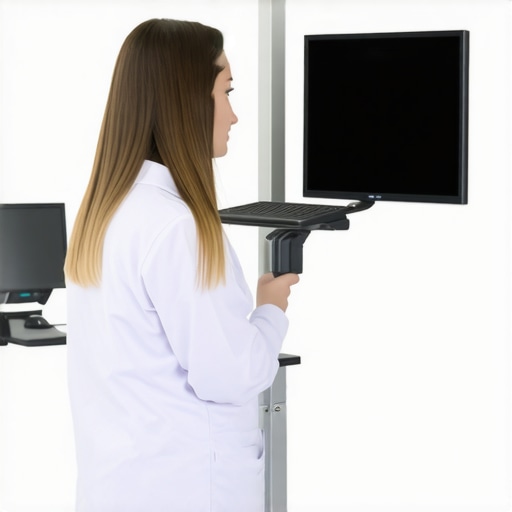
” alt=”Nurse adjusting ergonomic workstation with adjustable desk and monitor arm” title=”Adjustable ergonomic workstation for nurses” />When it comes to medical devices and supplies, a common misconception is that more advanced technology automatically equals better patient outcomes. However, *not all innovations deliver on their promises*, and many practitioners fall prey to the allure of the newest gadgets without understanding their limitations or proper integration. For example, the hype around magnet-guided surgical tools suggests they are universally superior, but in practice, their effectiveness depends heavily on the specific procedure and user proficiency. Overlooking such nuances can lead to suboptimal results and wasted resources.
A frequent trap is believing that all equipment is equally reliable across diverse clinical settings. Yet, a device optimized for one environment may underperform elsewhere. Take portable MRI magnets, which are incredibly useful in emergency scenarios but may not match the image quality of stationary units for detailed diagnostics. Recognizing these distinctions can save time, costs, and improve patient safety.
Moreover, many healthcare professionals underestimate the impact of proper maintenance and calibration. An improperly calibrated digital X-ray sensor, for instance, can produce blurry images, leading to misdiagnoses. Ensuring regular calibration and understanding device-specific quirks are subtle yet critical practices. Studies show that neglecting maintenance can reduce device lifespan by up to 25% and compromise accuracy (source: Medical Device Insight).
Why Do Some Medical Devices Fail to Meet Expectations Despite Cutting-Edge Tech?
Let’s dig deeper. Often, the failure lies not in the device’s technology but in its contextual application. Over-reliance on high-tech tools without adequate training or understanding of their limitations can cause more harm than good. For example, using AI-powered scanners for lung nodules depends heavily on the quality of input images and clinician interpretation. Without proper user training, these tools can generate false positives or negatives, leading to unnecessary procedures or missed diagnoses.
Advanced tools require equally advanced knowledge to operate effectively. Investing in comprehensive training and understanding device specifications is crucial. Moreover, staying updated on the latest research and product improvements through reputable sources, like Medical Device Insight, helps clinicians make informed decisions.
Finally, beware of the myth that newer always means better. Some older, well-maintained equipment can outperform newer models in specific tasks. The key is tailoring device selection to the clinical context and ensuring proper training and maintenance.
In summary, the world of medical devices is a complex interplay of technology, application, and user expertise. Recognizing these hidden nuances can significantly enhance safety, efficiency, and outcomes. Are you aware of the subtle factors affecting your equipment’s performance? Have you ever fallen into this trap? Let me know in the comments.
Mastering Equipment Maintenance for Longevity
Ensuring that your medical devices and supplies are consistently operational requires a strategic approach to maintenance. Regular calibration is the backbone of equipment longevity; for example, digital X-ray sensors should be calibrated weekly to maintain image accuracy and prevent diagnostic errors. Implementing a preventive maintenance schedule minimizes unexpected breakdowns, saving costs and reducing downtime. I personally rely on a digital maintenance log system that tracks calibration dates, service history, and performance issues, making it easier to anticipate needs and streamline repairs.
Advanced Tools I Trust for Optimal Performance
One of my go-to tools is the wireless dental camera. Its high-definition imaging and wireless connectivity enable quick inspections without disrupting workflow, which is crucial during busy shifts. For sterilization and cleaning, I recommend using UV-C sterilizers, which have proven effective in disinfecting surfaces and equipment rapidly. Incorporating AI-powered diagnostics, such as AI lung nodule scanners, helps catch anomalies early, but remember, these tools must be regularly updated and maintained to stay accurate.
Preparing for Long-Term Results and Growth
Investing in durable, high-quality equipment pays off over time. For instance, opting for modular components in surgical tables allows upgrades without complete replacement, ensuring adaptability as technology advances. Additionally, data analytics software can monitor device performance trends, alerting you before failures occur. This proactive approach extends equipment lifespan and improves patient safety. It’s also wise to establish relationships with manufacturers for priority service and access to firmware updates, which enhance device functionality and security.
Scaling Your Equipment for Future Needs
As your practice grows, so does your equipment demand. Scaling effectively involves assessing which tools and supplies can be expanded through modular systems or cloud-based management platforms. For example, using cloud-connected inventory solutions enables real-time stock tracking, reducing shortages or overstocking. Upgrading to multipurpose devices, like combined ultrasound and Doppler units, maximizes space and functionality. Keep an eye on emerging technologies such as portable MRI units, which are revolutionizing stroke triage in remote areas — check out the latest advancements here. Planning for scalability now ensures your practice can meet future challenges efficiently.
How do I maintain medical equipment over time?
The key to maintaining your devices is establishing a rigorous schedule for calibration, cleaning, and software updates. Building relationships with trusted vendors ensures quick access to repairs and parts, minimizing downtime. Regularly review device performance metrics through analytics tools to catch issues early. I recommend setting up a dedicated maintenance log and adhering to manufacturer guidelines diligently — it’s a simple step that saves money and enhances patient trust. Don’t forget, investing in training staff on proper handling and troubleshooting further prolongs equipment life. Try integrating a cloud-based inventory and maintenance software to keep track of all activities seamlessly and stay ahead of potential issues before they escalate.
Remember, regular maintenance and using the right tools are critical in keeping your hospital or clinic running smoothly. Stay proactive, stay updated, and let your devices serve you reliably for years to come.
The Hardest Lesson I Learned About Medical Devices, Medical Supplies, and Medical Equipment
One of my biggest realizations came from understanding that even the most advanced device is only as good as the user’s knowledge and maintenance routines. I once assumed that a new MRI scanner would operate flawlessly without frequent calibration—until it failed during a critical diagnosis. That experience taught me that investing in training and regular upkeep is the real secret to longevity and reliability.
3 Myths About Medical Devices, Medical Supplies, and Medical Equipment That Held Me Back
For years, I believed that new technology always equals better patient outcomes, which isn’t always true. And I thought that older equipment was obsolete—until I learned proper maintenance and calibration can make legacy devices perform like new. Dispelling these myths opened my eyes to smarter investments and better clinical decisions.
What Experts Won’t Tell You About Medical Devices, Medical Supplies, and Medical Equipment
Behind the scenes, many clinicians overlook the importance of contextual application. The effectiveness of a device depends heavily on fitting it to the specific clinical environment and ensuring staff are thoroughly trained. Recognizing this nuance has allowed me to optimize workflows and enhance patient safety significantly.
Curated Recommendations
My essential toolkit starts with the wireless dental camera for quick, high-quality imaging. I trust this because of its portability and clarity, which streamline diagnostics. Next, the cold laser wand has revolutionized how I approach post-operative pain management—it’s effective and safe. Lastly, I rely on robotic surgical arms to reduce surgeon fatigue and improve precision during complex procedures. These tools have transformed my practice, and I believe they can do the same for you.
The Future of Medical Equipment Starts Now
Every step you take toward understanding and properly maintaining your medical devices is an investment in quality care. Embrace ongoing learning, leverage innovative tools, and stay proactive with maintenance routines. Your commitment today shapes safer, more efficient healthcare tomorrow.
What’s the biggest lesson you’ve learned about medical equipment that changed your approach? Share your story in the comments below—your experience might inspire someone else to improve their practice!