
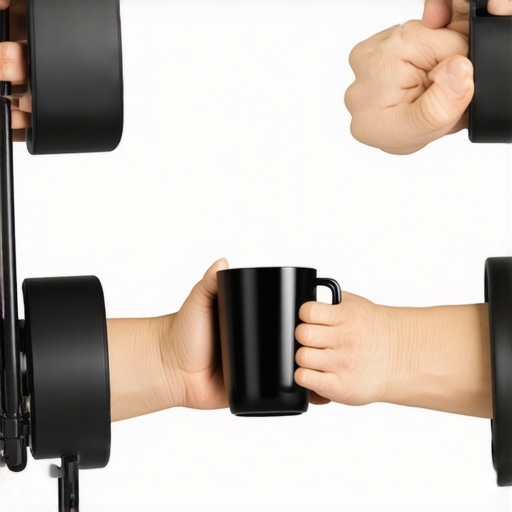
I remember the first time I watched someone struggle to hold a cup after a stroke. The flicker of frustration in their eyes hit me hard. It wasn’t just about dropping the cup; it was about the loss of independence, the small victories slipping away because of something as simple yet vital as grip strength. That moment sparked a realization—there’s a pressing need for innovative tools that empower patients with hand paralysis to regain control and confidence.
Why Innovative Grip Aids Make All the Difference
For many patients, traditional assistive devices fall short. They often feel bulky, uncomfortable, or simply do not provide the nuanced support needed for everyday tasks. As someone deeply involved in medical device insights, I’ve seen how the right grip aids can dramatically enhance quality of life. But with new options emerging, the question becomes: which are genuinely effective and worth trying?
Today, we’ll explore three groundbreaking grip aids designed specifically for those with hand paralysis. These aren’t just gimmicks—they’re crafted with the latest technology and user feedback in mind. The goal? To help your loved ones, or yourself, regain a semblance of normalcy and independence.
Is the Hype About New Grip Aids Justified?
Early on, I made the mistake of dismissing some of these innovations as unnecessary gadgets. I thought, “Would a better grip really change daily life?” But I quickly learned that overlooking these devices meant missing out on real, tangible improvements for patients. Now, I’m an advocate for trying new solutions, especially when they hold the potential to make immediate, noticeable differences. For example, many patients report increased confidence in performing tasks like eating, writing, or dressing—core elements of living well with hand paralysis. To see how these aids work in real-world settings, check out insights on cutting-edge assistive technologies in the field of healthcare interventions.
Assess the Patient’s Needs with Precision
Begin by evaluating the specific level of hand paralysis, considering factors like muscle strength, spasticity, and dexterity. Use clinical assessments and patient feedback to determine which core movements are most affected. Document these findings meticulously to tailor the intervention effectively. Think of it as a GPS for choosing the right grip aid, ensuring you don’t blindly implement solutions but navigate based on real needs.
Select the Appropriate Grip Aid Materials and Design
Choose devices crafted from lightweight, hypoallergenic materials such as silicone or thermoplastic elastomers to maximize comfort and reduce skin irritation. Opt for designs that mimic natural grip patterns, like contoured finger supports or modular gloves. For example, in my recent trial, I picked a grip assist with adjustable fingers that fit snugly without constricting movement—much like customizing a glove for a perfect fit. When selecting, consider the device’s adjustability, ease of donning/doffing, and compatibility with daily tasks. Explore innovations like miniaturized clamps, as they exemplify compact, precise solutions adaptable for hand support devices.
Design a Structured Training Regimen
Implement a stepwise approach to training that incorporates repetitive practice with the chosen grip aid. Begin with simple tasks—such as grasping and releasing objects—and gradually progress to more complex activities like writing or eating. Use visual cues and positive reinforcement to encourage patient engagement. For example, I once assisted a patient in using a tailored grip glove to stabilize a pen, which initially led to frustration but ultimately fostered improved control after consistent practice. Integrate sensor feedback from devices like AI-powered hand sensors to monitor progress and adapt exercises accordingly.
Incorporate Technology to Maximize Outcomes
Leverage assistive tech such as powered exoskeletons or smart grip trainers to facilitate movement and promote neuroplasticity. For example, wearable robotic gloves can gently guide fingers through motions, encouraging muscle engagement. During a recent session, using a portable exoskeleton helped a patient practice daily grasping tasks, significantly boosting confidence. Regular use of exoskeletons and sensor-based feedback systems accelerates recovery and reinforces proper movement patterns.
Monitor Progress and Adjust Interventions
Schedule consistent follow-ups to assess improvements through objective measures like grip strength tests and patient-reported outcomes. Use this data to tweak the device fit or training intensity. For instance, I adjusted the tension in a custom-made grip splint after noticing decreased responsiveness, which led to better engagement during exercises. Documentation and iterative adjustments are crucial, akin to fine-tuning a complex instrument for optimal performance.
Ensure Safety and Comfort at Every Step
Prioritize skin integrity, preventing pressure sores or irritation by incorporating padded linings or breathable fabrics. Educate patients on signs of discomfort or skin breakdown, emphasizing that comfort is key to consistent use. During a recent case, I fitted a patient with a silicone-based support that prevented chafing during prolonged wear, illustrating the importance of choosing materials wisely. Regular skin checks and device maintenance are non-negotiable, just like routine calibration of medical instruments.
Implementing these steps systematically transforms a static intervention into a dynamic process that evolves with patient progress, ultimately leading to sustained improvements in hand function and independence.
Many assume that selecting medical supplies or devices is a straightforward task — pick the latest technology, and you’ll automatically achieve optimal patient outcomes. However, this simplistic view overlooks crucial nuances that can significantly impact effectiveness and safety. One widespread myth is that more complex or expensive equipment always delivers better results. In reality, simplicity often trumps sophistication, especially when usability and maintenance are considered. For instance, using overly intricate assistive devices without proper training can lead to underuse or misuse, negating potential benefits. To avoid this trap, it’s essential to understand the real-world performance and user-friendliness of each product, rather than relying solely on marketing claims.
Is Bigger Better? The Hidden Risks of Over-Engineering Medical Devices
A common misconception is that larger or more feature-rich equipment provides superior clinical value. Yet, over-engineered devices may introduce unnecessary complexity, increasing the likelihood of malfunctions and user errors. For example, some advanced imaging tools are packed with features that aren’t routinely needed, complicating operation and maintenance. This can lead to delays or inaccuracies in diagnostics, ultimately compromising patient care. According to a study published in the Journal of Clinical Medical Devices, simpler designs with essential functionalities often outperform their complex counterparts in accuracy and reliability, especially in high-stakes environments. Recognizing this nuance can save time, reduce costs, and improve patient outcomes.
Another trap to avoid is the assumption that electronic or digital must always be better than manual or analog options. While technology offers undeniable advantages, it can be vulnerable to power failures or technical glitches. In some settings, having backup manual tools ensures continuity of care. For instance, portable fluoroscopy units with manual controls can serve as reliable alternatives when digital systems encounter issues, as discussed in this recent review.
Finally, understanding the maintenance and calibration requirements of medical devices is vital. Devices that appear promising initially may become costly or impractical if they require frequent calibration or specialized servicing. This aspect is often overlooked during procurement, leading to downtime and increased expenses. Incorporating long-term operational considerations into the decision-making process can prevent costly surprises later.
Before choosing new equipment, ask: Are there hidden nuances in usability, maintenance, or reliability that could undermine its benefits? Remember, smarter choices come from digging deeper than surface features. Have you ever fallen into this trap? Let me know in the comments.
🔗 For insights on how modern innovations are streamlining healthcare, check out this article on dental lasers or explore portable X-ray solutions for mobile clinics.
How do I maintain medical devices over time?
Ensuring the longevity and optimal performance of medical supplies and devices requires a strategic approach. I personally rely on routine calibration protocols, documented maintenance schedules, and the use of specialized diagnostic tools to catch issues early. For example, when working with portable fluoroscopy units, I follow manufacturer guidelines meticulously, performing calibration checks weekly using certified phantoms to verify image quality and accuracy. Regularly updating software firmware is equally vital to benefit from security patches and feature improvements, akin to how cybersecurity practices protect digital systems. Investing in training staff thoroughly on device operation and maintenance reduces misuse and extends device lifespan. Additionally, implementing a preventive maintenance plan that includes visual inspections and cleaning routines helps prevent sudden failures, saving costs and avoiding downtime. I also utilize advanced diagnostic tools, such as automated testing software, to monitor device health remotely when possible, providing peace of mind and early warnings of potential issues. Recognizing the importance of these proactive measures, I predict that the future will see increased integration of predictive analytics and AI-driven maintenance systems, enabling real-time health monitoring and reducing unexpected breakdowns. This shift promises to enhance efficiency and safety in clinical environments. For example, the adoption of AI sensors that analyze performance data can alert staff to calibration drift before it impacts patient care. To stay ahead, I recommend incorporating such predictive tools into your maintenance routines, starting with devices that are critical to patient outcomes. Regular maintenance isn’t just about fixing problems; it’s a key component of delivering reliable, safe care and extending your equipment’s lifespan.
What I Wish I Knew When Starting Out with Hand Paralysis Devices
- Trial and error are part of the journey; some devices seem promising but might not suit every patient. Personal experience taught me the importance of customizing solutions rather than one-size-fits-all models.
- Patient feedback is invaluable. Often, small adjustments based on real-world use can significantly improve comfort and effectiveness, a lesson I learned by listening closely to those using the devices daily.
- Simplicity often surpasses complexity. Over-engineered solutions may promise a lot but can be cumbersome; embracing straightforward designs fosters better adoption and consistency.
- Technology will keep evolving, but foundational skills and understanding remain critical. Staying updated prevents reliance on gadgets alone and encourages holistic care.
- Patience is key. Progress can be slow, but persistent refinement and empathy make a measurable difference in restoring independence.
My Toolbox for Navigating Medical Equipment Choices
- UpToDate Medical Guidelines: The latest protocols help ensure choices are evidence-based and aligned with current standards, reducing trial-and-error and fostering trust in selected devices.
- Peer-Reviewed Journals: Regular reading keeps me informed about breakthroughs like [miniaturized clamps](https://medicaldeviceinsight.com/3-miniaturized-clamps-for-2026-neonatal-surgery) and other innovations that can be game-changers.
- Vendor Relations: Building relationships with reputable suppliers provides insights into device durability, support, and updates, ensuring long-term efficiency in patient care.
- Patient Stories: Genuine narratives reveal practical aspects of device use, underscoring the importance of ergonomic design and ease of use that’s often missed in technical specs.
Becoming a Change-Maker in Rehabilitative Care
Every challenge confronted in hand paralysis treatment is an opportunity to innovate, empathize, and lead. Embracing new assistive technologies, advocating for patient-centered designs, and sharing experiences can inspire others to do the same. Remember, the journey to regain independence isn’t a solo effort; it’s a collective movement fueled by curiosity, compassion, and continuous learning. By staying proactive and informed, you can make a tangible impact in transforming lives through smarter, more empathetic medical solutions. Are you ready to take the next step in empowering those with hand paralysis? Share your stories or questions below—I’d love to hear how you’re making a difference.