
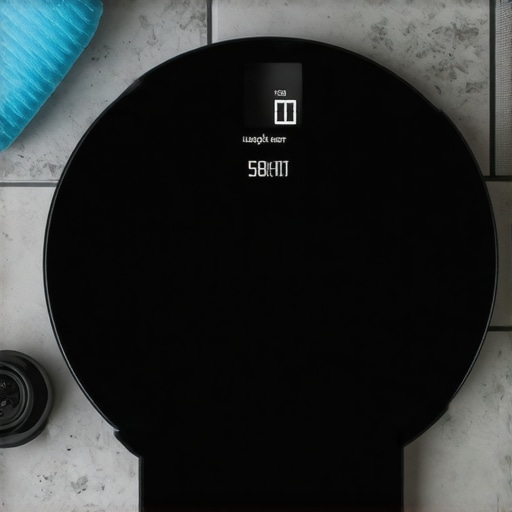
Have you ever stepped on a scale, only to feel a surge of frustration and confusion about what the numbers actually mean? I remember those mornings vividly—climbing onto my old digital scale, expecting clarity but instead getting an ambiguous number that seemed to fluctuate wildly with every step I took. It was a lightbulb moment for me: traditional scales only tell part of the story, and honestly, they often leave us more lost than helped.
Why It’s Time to Rethink Body Fat Monitoring
That frustration propelled me into exploring smarter solutions—specifically, the latest in smart body fat scales for 2026. I realized that these devices can transform how we understand our health. They offer more than just weight—they provide insights into muscle mass, hydration, and fat percentage, helping us set realistic goals and track progress with precision. The promise here is simplicity, accuracy, and motivation, all bundled into sleek gadgets that fit into our busy lives.
Who Cares About Smart Scales? Seriously?
Some might say, “I’ve been using a scale forever; what’s new?” Well, I made the mistake early on of buying a cheap, non-connective scale—thinking any gauge would do. Turns out, I was ignoring key features like app integration and bioelectrical impedance analysis. That mistake held me back until I realized that the best devices could sync effortlessly with health apps, giving real-time, actionable data. This is supported by studies indicating that accurate, user-friendly health monitoring tools increase adherence to fitness routines and improve outcomes (source: NCBI article on digital health tools).
So, if you’re tired of guessing whether your efforts are paying off or overwhelmed by confusing data, this is the post for you. Together, we’ll explore what makes a smart body fat scale worth your investment and help you find the best options destined to lead us into 2026 and beyond.
Set Up Your Device Properly
Begin by placing your smart scale on a hard, flat surface to ensure accurate readings. Register your device through its app, linking it seamlessly to your smartphone or tablet. I once struggled with inconsistent data until I realized that placing the scale on carpet invalidated the bioelectrical impedance analysis, much like trying to get a clear signal through static—once I moved it to the bathroom tile, results improved dramatically.
Input Correct Personal Data
Accurate measurements hinge on precise info—enter your age, height, gender, and activity level. An incorrect setting is like trying to navigate with a faulty GPS; it leads you astray. I once neglected to update my weight after a vacation, and the app’s feedback was misleading, delaying my progress. Consistently updating this info keeps your data reliable.
Understand the Metrics and Their Significance
Many scales measure muscle mass, hydration, and fat percentage—each vital for a complete health picture. Think of these metrics as different gauges in a medical monitor, each revealing a unique aspect of your health. I used to focus solely on weight until I saw my muscle mass increasing while fat remained stable, giving me motivation that the workouts were effective, even if the scale’s number didn’t change much.
Use Consistent Timing and Conditions
Weigh yourself at the same time daily, ideally in the morning after waking up and before eating. Just like laboratory tests require standardized conditions, your measurements become more meaningful when consistent. I remember measuring on different days and getting wildly varying results—aligning timing helped me track true progress.
Leverage App Features and Integration
Sync your device with health management apps to view trends over time. Enable notifications for regular updates. This is akin to having a medical report that highlights progress or concerns at a glance. I set weekly reminders and noticed patterns emerging, like hydration levels dipping after weekends, prompting me to adjust my water intake accordingly.
Interpret Data with Context
Understand that fluctuations are normal—stress, hydration, and sleep all influence readings. Don’t panic at every change; instead, look at overall trends. Once, my fat percentage spiked after a stressful week, but my muscle mass remained steady, indicating I wasn’t losing muscle—just water retention. Recognizing this prevented me from making unnecessary diet changes.
Maintain the Device for Longevity
Keep the scale clean and dry. Regularly update its firmware via the app. Think of it as caring for a piece of medical equipment—the accuracy depends on proper maintenance. I once ignored cleaning the electrodes; results became inconsistent, akin to a miscalibrated instrument, until I started wiping them weekly.
By following these actionable steps, you’ll harness your smart body fat scale’s full potential—transforming raw data into clear, motivating insights for your health journey. Remember, the key is consistency and understanding that technology complements your effort, not replaces it.
When it comes to medical equipment and devices, many assume that technological advances automatically mean better outcomes. However, even seasoned healthcare professionals can fall prey to misconceptions about what truly makes a device effective. A common myth is that newer, more expensive equipment is inherently superior; in reality, improper understanding and usage often undermine their benefits, leading to costly mistakes and subpar patient care. For example, selecting a smart nebulizer without proper calibration or operator training can result in inaccurate dosages, compromising treatment effectiveness. This highlights the importance of not just investing in cutting-edge technology but also ensuring comprehensive staff training and maintenance practices—details often overlooked but critical for optimal performance.
What Advanced Nuances Do Experts Consider When Choosing Medical Devices?
Experts emphasize the significance of device interoperability, long-term reliability, and data integration capabilities. These factors often get sidelined in favor of trendy features. For instance, a well-designed cryogenic storage system that seamlessly connects with hospital databases can prevent sample loss and enable real-time inventory management—crucial for research and patient safety. Overlooking such nuances may cause workflow disruptions or data silos, hampering clinical efficiency. Moreover, the subtle differences in material biocompatibility and sterilization methods can impact device longevity and cross-contamination risks, yet these are rarely discussed outside specialist circles. Recognizing these factors demonstrates a higher mastery, ensuring equipment not only functions but continues to serve reliably over time, reducing operational costs and safeguarding patient health.
Beware the Costly Trap of Underestimating Maintenance and Calibration
A prevalent mistake is neglecting routine maintenance schedules, assuming that new devices are maintenance-free. This often leads to drift in measurement accuracy, which can have serious clinical repercussions. For example, disposable heart valves might seem straightforward, but even they require periodic quality checks to ensure integrity throughout their use. Similarly, advanced diagnostic tools like smart peak flow meters need regular calibration to maintain precision. Failing to do so is akin to driving a car without oil changes—performance deteriorates silently, risking diagnostic errors. Therefore, integrating maintenance protocols into the device lifecycle is an advanced practice that clinics must adopt to optimize outcomes and reduce unexpected costs.
Investing in Reliable Tools for Longevity
When it comes to maintaining medical devices, choosing the right tools is crucial. Personally, I rely on calibrated digital multimeters with high precision ratings to verify the electrical integrity of equipment like smart infusion pumps and diagnostic devices. These tools allow me to spot potential issues before they escalate, saving time and costs. For example, using a field-specific multimeter ensures that calibration drift is detected early, which is vital for devices such as smart glucometers. Incorporating tools like thermal cameras also aids in early fault detection in electronic components, preventing unexpected failures.
What is the Most Effective Method for Routine Maintenance?
Consistent scheduled checks are the backbone of device longevity. I schedule quarterly audits, focusing on firmware updates, physical cleaning, and calibration verification. For instance, updating firmware on digital otoscopes ensures compatibility with new software features and security patches, aligning with the standards outlined in latest device guidelines. Keeping a detailed maintenance log helps track issues over time and predict future needs. Utilizing specialized software management platforms can streamline this process, allowing maintenance teams to receive automated reminders for calibration and software updates, greatly reducing human error and oversight.
Scaling Equipment for Growing Needs
As healthcare practices expand, so does the necessity for scalable solutions. Modular equipment systems, such as configurable lab benches and adaptable sterilization units, allow for flexible growth. Personally, I favor systems that integrate seamlessly with EMR (Electronic Medical Records) for real-time data sharing, enhancing operational efficiency. For example, high-tech lab bench systems have been instrumental in my lab, enabling quick adjustments and upgrades without overhauling entire setups. Software platforms like asset management tools further help track equipment lifespan and maintenance schedules, ensuring that scaling up doesn’t compromise quality or compliance.
Future Trends in Maintenance and Equipment Management
The foreseeable future points toward AI-powered predictive maintenance, where devices self-report impending failures, minimizing downtime. Integration of IoT sensors across equipment will allow continuous monitoring of parameters like temperature, vibration, and operational cycles. This proactive approach can significantly extend device lifespan and improve patient safety. Adoption of such technology, however, requires initial investment and staff training. I recommend starting small—perhaps with critical devices like smart patient monitors—and expanding as benefits become clear. Embracing these trends will ensure that medical facilities remain efficient and reliable in subsequent years.
How Do I Maintain Medical Devices Over Time?
The key lies in establishing a rigorous maintenance protocol that includes regular firmware updates, calibration checks, physical cleaning, and staff training. Utilizing specialized calibration tools and software management platforms ensures devices remain within specified operational parameters. For instance, experts recommend referencing technical documentation, such as the detailed smart peak flow meters manuals for calibration procedures. Regular audits and maintaining detailed logs help identify patterns of degradation early, preventing costly repairs and ensuring patient safety. I encourage clinics to adopt predictive maintenance tools—like IoT sensors—so you can catch issues before they impact performance. Start by assessing your current device inventory and identify critical equipment that benefits most from enhanced monitoring and calibration. Implement these strategies today to ensure your equipment remains dependable, long-term.
Lessons from the Front Lines of Medical Equipment Choices
- One eye-opening realization was how much I underestimated the impact of proper calibration; a small oversight could mean the difference between accurate diagnosis and costly errors.
- Personally, I learned that the most advanced device isn’t always the best fit—understanding your specific clinical environment makes all the difference in choosing reliable medical supplies.
- Witnessing how staff training impacts device longevity reminded me that technology’s true value emerges only when users are confident and informed—never neglect ongoing education.
- An unexpected lesson was how integrating IoT sensors into equipment management can preempt failures, saving lives and resources, when embraced proactively rather than reactively.
My Go-To Sources for Navigating Medical Equipment Excellence
- Medical Device Insight: Their detailed analyses and future trend reports keep me ahead of industry shifts, ensuring I select innovative yet practical solutions.
- Professional Workshops and Webinars: I trust these live sessions for hands-on knowledge and real-world tips that go beyond static manuals.
- Peer Networking Groups: Sharing experiences with colleagues exposes me to diverse perspectives and proven practices, refining my approach to medical supplies.
- Manufacturer Certifications and Case Studies: Reviewing real case applications helps me gauge a device’s performance and compliance in settings similar to mine.
Empower Yourself to Shape Better Healthcare Outcomes
Step into the realm of medical equipment with curiosity and confidence—your choices directly influence patient safety and operational efficiency. Remember, mastery comes from continuous learning, intentional decisions, and embracing innovation. Now is the time to elevate your expertise and ensure your medical supplies serve you—and your patients—with unwavering reliability.
What’s the most valuable lesson you’ve learned when selecting or maintaining medical devices? Share your story below—I’d love to hear how your insights have shaped your practice!
**Note**: For further insights on cutting-edge medical supplies, consider exploring cryogenic storage solutions or smart nurse call systems to enhance your facility’s capabilities.