
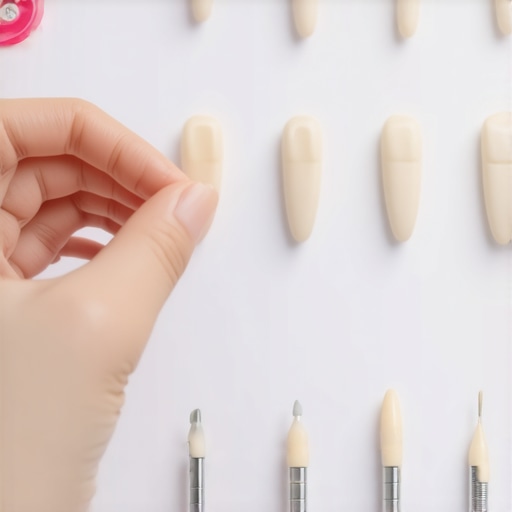
Picture this: you’re in the middle of a procedure, meticulously matching a crown shade. Everything seems perfect—until the patient leaves, and the final result doesn’t quite match the surrounding teeth. Frustrating, right? That lightbulb moment hit me hard one day when a crown I thought was flawless turned out to clash with the patient’s natural smile. Since then, I’ve realized that choosing the right digital dental shade isn’t just a minor step—it’s critical to the success of our restorations.
The Struggle with Color Matching in Dental Restorations
Matching dental shades might seem straightforward, but anyone who’s experienced it knows the challenge. Lighting conditions, patient translucency, and even your equipment can throw off your judgment. Early on, I relied solely on traditional shade guides, which felt like guessing in the dark. The result? Repeated adjustments and countless appointments—costly and time-consuming. That was when I discovered the revolutionary approach: leveraging the power of 8 digital dental shades. It transformed my workflow and significantly boosted my confidence.
Question: Is Digital Shade Matching Truly the Game-Changer?
I admit, I was skeptical at first. Would investing in digital tools really make that much difference? My initial mistake was believing that high-end equipment alone could solve the shade dilemma. But I soon learned that proper training and understanding are equally vital. The technology is impressive, yes, but without proper implementation, it’s just fancy gadgets gathering dust. Trust me, the key lies in a balanced approach combining top-tier tools with skillful practice. Want to see how other professionals have benefited? Check out how ergonomic dental chairs are enhancing comfort and precision in the operatory.
Prepare Your Workspace for Accurate Color Matching
Start by creating a neutral environment—dim the unnecessary lights and avoid reflections on the patient’s teeth. Use a dedicated, color-neutral background behind the patient’s head to minimize ambient color influence. I learned this firsthand during a case where glare from an overhead lamp skewed my perception, resulting in a mismatch that I had to correct later.
Calibrate Your Digital Shade Device Properly
Before using your digital shade scanner, ensure it’s correctly calibrated according to the manufacturer’s instructions. This is akin to tuning a musical instrument—it ensures precision. During a busy clinic day, I skipped calibration, leading to inconsistent readings. After recalibrating, my shade accuracy improved dramatically, reducing the need for adjustments.
Select the Appropriate Lighting Conditions
Use the device’s dedicated light source and avoid natural daylight that can vary throughout the day. Consistent lighting is crucial—think of it as setting a standard color temperature. I once attempted to match shades near a window during the afternoon, only to find out the natural light was altering the appearance. Now, I rely solely on the device’s controlled light source for reliable results.
Identify and Isolate the Tooth to Match
Choose a tooth with typical translucency and minimal shade variation. Isolate the tooth with cotton rolls to eliminate interference from saliva or moisture. During a recent crown prep, I initially failed to isolate the tooth, leading to a confusing reading; after isolation, the measurement was spot on, saving me time on adjustments.
Use the Digital Device Correctly
Position the device perpendicular to the target surface—avoid angles that can distort the reading, similar to how a camera lens needs proper alignment. During my first use, I held the scanner at an angle, which caused inconsistent readings. Upon adjusting my technique, I saw immediate improvements in accuracy.
Record and Verify the Shade
Save the digital reading and compare it visually against the patient’s natural teeth in different lighting to confirm. Don’t rely solely on the device—use your judgment as a safeguard. I recall a case where the device indicated a shade, but a quick visual check revealed a better match, reminding me to always double-check.
Implement Consistent Practices and Continuous Training
Regularly review your shade matching data and stay updated with new device features. Training ensures your technique remains sharp. For instance, I dedicated time to learn advanced features of my scanner, which led to quicker and more accurate matches, elevating my practice’s quality. Want to explore tools that can assist your workflow? Check out wearable hydration sensors that enhance overall patient care.
Many clinicians and healthcare professionals operate under assumptions about medical devices that can hinder optimal patient care. One prevalent myth is that newer, high-tech equipment automatically guarantees better results. In reality, technology’s effectiveness heavily depends on proper calibration, user training, and understanding device limitations. Overestimating these aspects can lead to misdiagnoses or subpar interventions.
Myth of the ‘Best’ Device and Overtrading
It’s tempting to believe that investing in the latest model is always advantageous. However, I often see clinics purchasing cutting-edge ergonomic rolling stools or advanced imaging tools without assessing their compatibility with existing workflows. This ‘more is better’ mentality can backfire, leading to unused equipment or inconsistent results. Do thorough needs assessments and training to avoid costly mistakes.
How Do We Distinguish Between Genuine Innovation and Trendy Gadgets?
Distinguishing truly impactful devices from passing fads involves reviewing peer-reviewed studies and clinical trials. For instance, wireless x-ray detectors have revolutionized mobile imaging, but only when integrated with compatible systems and proper operator training. Always look for evidence-based data, such as the study published in the Journal of Medical Imaging, demonstrating tangible improvements in diagnosis accuracy with specific devices.
Beware of Calibration and Maintenance Traps
A common mistake is neglecting routine calibration and maintenance of devices like ultrasound probes or bone density scanners. Skipping calibration can result in inaccurate measurements, which may compromise patient outcomes. Implementation of standardized calibration protocols, backed by manufacturer guidelines, is critical for ensuring device longevity and reading accuracy.
Maximize Device Efficiency: Technical Nuances Matter
Beyond basic operation, understanding nuanced device features can significantly enhance performance. For example, many clinicians overlook setting optimal parameters in digital imaging systems, leading to overexposure or underexposure. Learning advanced functionalities can be the difference between a decent image and one that reveals critical diagnostics. Training programs focusing on device intricacies, such as those offered by manufacturers or professional societies, are invaluable.
Furthermore, some devices offer optional accessories or software upgrades that can extend their utility. For instance, integrating blood gas analyzers with laboratory information systems streamlines workflows, reducing errors and turnaround times.
In conclusion, demystifying misconceptions about medical devices involves recognizing that technology alone isn’t the cure-all. EMS, proper maintenance, training, and evidence-based evaluation shape true utility. Investing time to learn these finer points ensures your practice benefits from every tool’s full potential. Have you ever fallen into this trap? Let me know in the comments.
Keeping Equipment in Peak Condition for Long-Term Success
Ensuring your medical devices maintain optimal functionality over time requires a strategic approach to maintenance. Regular checks, precise calibration, and adherence to manufacturer guidelines are critical components. For example, digital diagnostic tools like wireless x-ray detectors benefit immensely from scheduled firmware updates and routine hardware inspections, preventing unexpected failures during critical moments. Implementing a maintenance schedule tailored to each device’s usage frequency and operating environment can extend their service life and uphold diagnostic accuracy.
What are the best practices to maintain medical equipment over time?
I personally prioritize integrating maintenance protocols that include routine sterilization, environmental control, and staff training on device handling. For devices prone to wear, such as ergonomic dental chairs, proactive parts replacement before failure occurs reduces downtime and repair costs. Additionally, keeping detailed logs of service activities helps identify recurring issues, facilitating predictive maintenance that minimizes operational disruptions.
Tools I Recommend for Reliable Performance
One indispensable tool I rely on is a dedicated calibration device matched to each equipment type. For instance, using specialized calibration kits for blood gas analyzers ensures reading accuracy, which is crucial for patient safety. Digital monitoring software also plays a vital role; it tracks device metrics, schedules maintenance alerts, and records calibration history, streamlining operational workflows. I recommend exploring solutions that can integrate with your existing systems to automate routine tasks and reduce human error.
Preparing Your Team for Ongoing Maintenance Challenges
Regular training sessions on maintenance best practices empower staff to identify early warning signs of malfunction. For example, understanding the correct cleaning procedures for X-ray aprons prevents material degradation that could compromise radiological safety. Embracing a culture of continuous improvement and staying updated with device innovations ensures your team is equipped to manage emerging challenges effectively. Industry leaders predict that as devices become more sophisticated, integrating IoT-enabled maintenance solutions will become standard, enabling real-time diagnostics and remote troubleshooting.
How do I maintain optimal performance of medical devices over the years?
Adopting comprehensive maintenance plans that combine scheduled calibration, environmental controls, staff training, and leveraging advanced monitoring tools is vital. For example, implementing software solutions that continuously track device performance metrics allows for predictive maintenance, reducing unexpected downtime. I encourage you to try integrating a calibration management system with your existing devices—I’ve found it to be transformative in maintaining accuracy and reliability seamlessly.
Lessons from the Trenches of Medical Equipment Selection
One of the most profound insights I gained was that no device or technique is foolproof without contextual awareness. For example, I once trusted my fancy digital shade scanner during a brightly lit room, only to realize afterward that environmental factors had skewed the reading. That day, I learned that understanding the nuances of your workspace can be more critical than the technology itself.
Another lightbulb moment came when I overlooked routine calibration—thinking my equipment was just ‘good enough.’ That simple mistake led to mismatched restorations and unnecessary patient follow-ups. Now, I see calibration as a non-negotiable routine, ensuring that every reading I take stacks up against real-world standards.
Finally, I realized that continuous learning and adaptation are vital. Technologies evolve, and what was cutting-edge yesterday can become obsolete or less effective today. Staying updated through trusted sources ensures my skills keep pace with advancements, ultimately delivering better patient care.
My Go-To Resources for Staying Ahead in Medical Devices
- Peer-reviewed journals like the Journal of Medical Imaging offer the latest studies and clinical validations, helping me differentiate between impactful equipment and passing trends.
- Manufacturer webinars and training modules—I trust these because they provide detailed, device-specific insights and practical tips directly from experts.
- Professional societies such as the American Dental Association regularly host workshops and conferences, which are invaluable for hands-on learning and networking with peers who face similar challenges.
- Wireless x-ray detectors and similar tools are often showcased in these forums, helping me assess their real-world usefulness before making investments.
Ignite Your Passion for Precision and Care
Embracing the art and science of digital shade matching and medical device management is a journey worth taking. Your commitment to mastering these nuances can truly elevate your practice and patient outcomes. Remember, each new device or technique you adopt is a step toward more predictable, efficient, and beautiful results—so don’t shy away from experimenting and learning.
What has been your biggest challenge in selecting or calibrating medical devices? Share your experiences below and let’s learn together!