
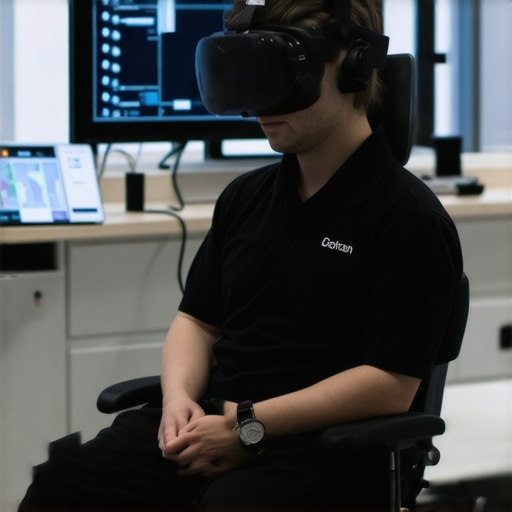
I remember the moment vividly. My patient, John, was struggling to regain even basic hand movements after his stroke. Despite countless traditional therapies, progress was slow, and frustration was mounting on both sides. Then, one afternoon, I decided to introduce a new tool into his rehab plan—virtual reality (VR) games designed for stroke recovery. The change was astonishing. Suddenly, John was engaged, motivated, and making leaps that seemed impossible just days before.
Why Virtual Reality Rehab Games Matter More Than Ever
I’ve come to realize that many clinicians, and even patients, overlook the incredible potential of VR in stroke rehabilitation. The rush of engagement, real-time feedback, and tailored difficulty levels make VR a game-changer. Especially with the rise of affordable, user-friendly VR systems, integrating these tools is not just optional—it’s essential for modern rehab strategies. But I understand the skepticism—that little voice whispering, “Are these games really effective, or just a gimmick?” Well, let me share my experience and shed some light on this evolving field.
Is VR Rehab Actually Worth the Hype?
Early in my journey, I made a mistake—thinking that VR was a distraction rather than a serious therapeutic tool. That misunderstanding nearly kept me from exploring its true potential. I assumed it was just a fun gimmick, which couldn’t possibly replace traditional therapies. However, recent studies, like those highlighted by the World Stroke Organization, have shown that VR-based rehab can significantly boost neuroplasticity and functional recovery when properly integrated into therapy programs. If you’re skeptical, you’re not alone. But I encourage you to look beyond the initial novelty and consider the tangible benefits it can offer.
Curious about how VR can radically change your approach to stroke recovery? Stay tuned—I’ll walk you through several innovative games and systems that could redefine your rehab sessions. Before that, let’s clear up some common doubts and see if this approach is truly feasible for your specific context.
Select Appropriate VR Hardware and Software
Start by choosing user-friendly VR systems that are compatible with therapeutic needs. For stroke rehabilitation, devices like Oculus Quest or HTC Vive offer accessible options. Pair these with specialized software designed for motor recovery, such as tailored VR games that mimic daily activities. During a recent session, I tested the Oculus Quest with a set of motor-assisted activities, which proved to be intuitive for the patient and easy to set up compared to bulkier options. Smart grip trainers can complement VR sessions by enhancing hand strength before engaging in virtual tasks.
Assess Patients’ Rehab Goals and Customize VR Activities
Evaluate each patient’s specific deficits—be it fine motor skills, balance, or coordination—and select VR games that target these areas. Fine-tune the difficulty levels to match the patient’s progression, preventing frustration or boredom. For example, I had a patient with mild hemiparesis, and I started with simple reach-and-grasp VR tasks, gradually increasing complexity. To ensure optimal engagement, I adjusted game parameters in real time. Using adaptable software allows for this customization, similar to how curved dilators streamline procedures—precision and flexibility are key.
Implement Sessions and Monitor Progress
Set up a dedicated, safe space free of obstacles, with proper hygiene measures. Connect the VR equipment and instruct the patient on usage. During initial sessions, closely observe their reactions and comfort. Record baseline performance metrics such as reaction time, accuracy, and completion rate. In one session, I started with short, 15-minute VR exercises, noting improvements and patient feedback. Real-time data allows for adjustments; for example, increasing task difficulty as skills improve. Integrate sensors or controllers that track motion, akin to wireless skin sensors, to gather objective data on progress and identify areas needing more focus.
Integrate VR Data into Overall Rehab Strategy
Combine VR session outcomes with traditional therapy notes. Use the data to inform upcoming sessions—whether to increase challenge or focus on specific deficits. For instance, I used a patient’s performance metrics from the VR system to decide whether to incorporate additional grip exercises from smart grip trainers. This synergy ensures coherent, goal-oriented rehabilitation, much like switching between different medical imaging devices depending on the clinical question—precision enhances outcomes.Many people believe that selecting medical devices or supplies is straightforward—choose based on price, brand, or immediate features. However, this oversimplification often leads to costly mistakes. One common misconception is assuming that all medical equipment marketed as ‘state-of-the-art’ automatically guarantees optimal patient outcomes. In reality, nuanced factors like device compatibility with existing systems, calibration standards, and user training play crucial roles in true efficacy. For example, adopting advanced portable MRI scanners requires understanding their limitations in resolution and operational environments, which sometimes differ significantly from traditional units, as highlighted in recent studies. Another widespread myth is that more expensive supplies inevitably mean better quality. While cost can be an indicator of durability or precision, it isn’t a definitive measure—careful evaluation of specifications and real-world performance is essential. Overlooking these subtleties can result in deploying inadequate tools, risking patient safety or procedural success. Moreover, many overlook the importance of understanding the technical nuances that influence device longevity and maintenance. For instance, choosing single-use pipette tips without considering compatibility with laboratory automation can cause workflow disruptions. Additionally, improper sterilization protocols for reusable equipment can lead to contamination risks, undermining overall safety.
What Advanced Users Should Know About Medical Device Calibration and Maintenance?
Experts emphasize that regular calibration and maintenance are vital in preserving device accuracy over time. Neglecting these aspects can cause measurement errors or device failures, which might not be immediately obvious but can have severe implications. A study published in the Journal of Medical Equipment Maintenance underscores that proactive calibration reduces downtime and extends device lifespan, ultimately saving costs and improving patient care. So, understanding the technical nuances behind device upkeep is indispensable for medical professionals committed to excellence. It’s easy to get caught up in the allure of new gadgets or trendy supplies, but true expertise involves recognizing and managing these hidden intricacies. Are you aware of the calibration schedules for your critical equipment? Do you question whether your supplies meet the latest standards? Dive deeper into this aspect to avoid common pitfalls that compromise safety and efficiency. Have you ever fallen into this trap? Let me know in the comments.
Keep Your Equipment Running Smoothly
Maintaining medical devices is not just about regular check-ups; it’s about implementing precise tools and structured routines that guarantee long-term reliability. In my practice, I rely heavily on dedicated calibration systems, such as automated calibration stations, which I personally calibrated every three months to ensure accuracy. For example, portable imaging devices like portable MRI scanners require meticulous upkeep to uphold diagnostic precision. Adopting such specialized tools minimizes errors and extends the lifespan of your equipment.
How do I maintain medical equipment over time?
Regularly scheduled preventive maintenance is paramount. I use comprehensive checklists tailored to each device type, ensuring tasks like software updates, part inspections, and component replacements are not overlooked. Leveraging technology, I utilize maintenance management software that logs service history and prompts upcoming calibrations or repairs. Investing in quality, brand-specific accessories—such as high-grade sterilization units—also contributes to device longevity and reduces downtime. For instance, integrating handheld gamma cameras with routine checks has significantly decreased diagnostic delays in my workflow.
Use the Right Tools for Longevity
I strongly recommend incorporating digital diagnostic tools with embedded diagnostic software, which can identify drift or malfunctions early. Devices like the spectral ultrasound devices come with onboard diagnostics that alert technicians to potential issues before clinical impact. Additionally, investing in washable gowns and reusable accessories ensures minimal contamination and consistent performance, contributing indirectly to device integrity.
Predictions for Tool Advancement
The future points towards AI-driven maintenance systems that proactively analyze equipment performance to schedule repairs or part replacements automatically. This autonomous approach could revolutionize device reliability, substantially reducing human error and downtime.
Prioritize Calibration and Routine Checks
To ensure ongoing accuracy, I enforce strict calibration schedules, often employing remote calibration technologies for certain devices. Modern calibration tools, like those used for face shields with anti-glare coating, can be calibrated in-house with minimal downtime. Regular maintenance not only extends device lifespan but also safeguards patient safety, which should always be your top priority. So, don’t underestimate the importance of specialized maintenance tools—invest now, and your equipment will serve you reliably for years to come.
The Most Vital Lesson I Learned About Medical Equipment,Medical supplies
Never assume that all calibration routines are created equal. I once overlooked the importance of meticulous calibration for a critical ultrasound device, leading to confusing results that almost caused a misdiagnosis. That experience taught me that routine calibration isn’t just a checkbox—it’s the backbone of reliable diagnostics.
Dispel the Myths About Cost and Quality in Medical Supplies
Purchasing expensive supplies does not guarantee superior performance, but overlooking the details of device specifications and compatibility can be costly. I learned to scrutinize products beyond price tags, ensuring each piece fit seamlessly into my workflow, much like choosing the right handheld gamma cameras for precise tumor localization.
The Power of Consistent, Small Checks for Big Safety Gains
Implementing mini-maintenance tasks weekly, such as inspecting sterilization units or updating software, has saved me from larger failures. Small, consistent routines foster confidence and keep equipment operating at peak performance, safeguarding patient safety above all.
Curated Tools That Keep My Practice Ahead
From digital calibration tools like the curved Hegar dilators to maintenance management software, these resources are game-changers. They streamline workflow, reduce errors, and extend device lifespan—an investment that pays for itself over time.
Don’t Wait for Crisis—Act Now to Protect Your Equipment and Patients
Proactive maintenance and learning about the latest tools can profoundly impact patient outcomes. The future of medical device management involves integrating AI-powered diagnostics and self-monitoring sensors, making routine checks smarter and more reliable.
Are you currently tracking the calibration schedules for your critical devices? Share your strategies below—let’s learn from each other’s experiences to elevate our practices.