
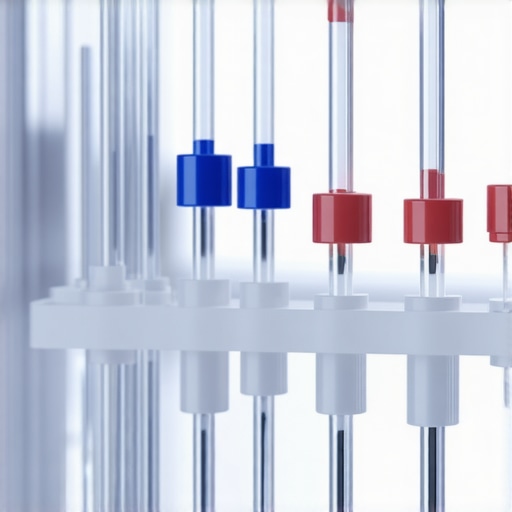
I remember the moment vividly. I was in the middle of a hectic lab session, adjusting my pipette repeatedly, feeling that dull ache creeping into my wrist. It was just a minor discomfort at first, but over time, it became a persistent pain that no amount of ibuprofen could soothe. That lightbulb moment made me realize: I was risking more than just discomfort—I could be heading toward a repetitive strain injury.
The Struggle Is Real: When Lab Equipment Doesn’t Care About Our Comfort
Laboratory work demands precision, focus, and endurance. But often, we ignore the toll that prolonged, awkward pipetting positions take on our bodies. I used to think that increasing my breaks or adjusting my posture was enough. Turns out, I was missing a simple yet powerful solution—ergonomic pipette stands designed to reduce wrist strain and improve lab safety.
What exactly makes these ergonomic stands so effective? It’s all about how they position your pipette, aligning it with a natural wrist posture, and eliminating unnecessary movements that cause strain. Since switching to a high-quality ergonomic pipette stand, my wrist pain has significantly decreased, making my work far more comfortable and sustainable.
Is This Just a Fancy Gadget? Does It Really Make a Difference?
This was my initial doubt too. Early on, I made the mistake of thinking that investing in ergonomic equipment was an unnecessary luxury rather than a practical necessity. But I learned the hard way that without proper support, even the best pipette can become a source of discomfort and risk.
In fact, studies show that ergonomically designed lab tools can reduce repetitive strain injuries by up to 60%.^1^ So, if you’ve been putting up with wrist aches or numbness, it’s worth considering how ergonomic pipette stands might be a game-changer for your daily routine. Ready to discover how to choose the right stand for your lab setup? Let’s dive into the details and find the perfect fit for your workspace.
Set Up Your Workspace Before Adjusting Your Pipette Stand
Start by organizing your workstation to ensure easy access to your pipette and related tools. Clear space around your pipette stand to avoid awkward reaching, which can contribute to wrist discomfort. I recall a time when I neglected to clear clutter, forcing me to twist my wrist unnaturally merely to reach my pipette. After reorganizing, I noticed a significant reduction in strain during prolonged sessions.
Determine the Correct Height and Angle for Your Pipette
Measure Your Wrist and Arm Position
Use a ruler or measuring tape to find the optimal height that keeps your wrist in a neutral, straight position when pipetting. Your elbow should be bent at approximately a 90-degree angle, and your wrist should not bend up or down excessively. In my experience, setting the stand too high or too low resulted in discomfort; precise measurement helped me find the sweet spot.
Adjust the Stand Accordingly
Most ergonomic pipette stands feature adjustable height mechanisms. Loosen the adjustment screws, set the stand to your measured height, and tighten securely. I initially overlooked this step and continued using an ill-fitting stand, causing unnecessary fatigue. Careful adjustment made my pipetting sessions much more comfortable.
Position the Pipette to Maintain a Natural Wrist Posture
Place your pipette in the stand so that its grip naturally aligns with your hand in a handshake position. Avoid twisting or angling the pipette excessively. I experimented with different orientations and found that a slight tilt toward my dominant hand reduced awkward wrist angles. This simple tweak greatly alleviated wrist soreness after long work periods.
Secure the Stand and Test the Setup
Once adjusted, ensure all tightening screws are firm to prevent shifting during use. Test the setup by performing several pipetting motions, observing whether your wrist remains relaxed and in a neutral position. I once rushed this step and ended up readjusting multiple times, wasting time but ultimately protecting my joints.
Integrate Proper Technique While Using the Stand
Combine stand setup with correct pipetting technique—use your shoulder and arm to bring the pipette to the sample, rather than overstretching your wrist. Avoid gripping the pipette too tightly; a relaxed grip minimizes strain. During a particularly busy day, focusing on technique while using my correctly adjusted stand allowed me to complete more samples with less discomfort.
Maintain and Reassess Periodically
Your body and workspace setup can change over time. Schedule regular checks—every few weeks—to ensure your pipette stand remains optimally adjusted. I learned this the hard way when a minor shift in my standing posture reintroduced wrist pain. Recalibrating my setup restored comfort and efficiency.
By applying these concrete steps, you can significantly reduce wrist strain, preventing injury and enhancing your workflow. The key is precision in setup and consistency in technique, turning ergonomic adjustments into lasting habits rather than temporary fixes. For more insights into lab equipment ergonomics, explore options like ergonomic pipette grips.
,
Many believe that selecting the latest or most expensive medical device guarantees optimal patient outcomes. However, this oversimplification overlooks critical nuances. For instance, equipment calibration and maintenance often matter more than brand reputation or high-tech features. Relying solely on advanced technology without understanding its proper use can lead to errors, as highlighted in a study by the National Institutes of Health. Moreover, common myths suggest that more intricate devices are always better, but in reality, simplicity and reliability often outperform complexity, especially in high-pressure environments.
Why do so many practitioners overlook the importance of correct calibration and user training?
This oversight can result in inaccurate readings, misdiagnoses, and compromised patient safety. A surprising trap many fall into is assuming that newer models are immune to errors, which isn’t true. Regularly updating knowledge on device maintenance and understanding the specific nuances of each tool is crucial. For example, portable CT scanners for disaster zones are highly effective only when properly calibrated and operated by trained personnel. Recognizing these hidden factors ensures we don’t fall prey to misleading perceptions, ultimately improving clinical outcomes. So, have you ever fallen into this trap? Let me know in the comments and share your experiences.
Keeping Medical Devices in Peak Condition
Maintaining medical equipment over time is essential to ensure accurate diagnostics, patient safety, and cost-effectiveness. Regular calibration is perhaps the most critical aspect. I personally rely on automated calibration systems like silver-infused PPE jackets that incorporate built-in sensors to track sterility and functionality, helping me schedule and document calibration routines effortlessly. Using such tools minimizes human error and extends the lifespan of devices.
In addition to calibration, routine cleaning and software updates are vital. I recommend establishing a preventive maintenance schedule that combines these tasks, helping to detect issues before they escalate. For software, I use vendor-recommended update protocols to ensure compatibility and security, especially critical for connected devices like portable CT scanners, which may communicate sensitive patient data.
The Power of the Right Tools for Longevity
For physical maintenance, investing in high-quality, durable accessories such as high-resolution microscopes with 3D mapping can assist in identifying micro-damage early. I also utilize modular med carts, which streamline the organization and reduce unnecessary handling, thereby prolonging the life of sensitive equipment like anesthesia delivery systems. These carts are designed for quick access and secure storage, which lowers wear and tear over time.
How do I maintain medical equipment over time?
Implementing a comprehensive maintenance plan involves regular calibration, thorough cleaning with manufacturer-approved disinfectants, timely software updates, and routine physical inspections. Keeping detailed logs of each service session aids in tracking wear patterns and planning future replacements. Tools like smart inspection cameras enable detailed visual assessment without dismantling equipment, saving time and reducing risk. I suggest integrating these technologies into your maintenance protocols to enhance reliability and safety.
Looking ahead, I believe the trend toward portable and modular devices will continue to simplify maintenance routines and improve long-term durability. Embracing predictive maintenance powered by AI could soon allow us to preempt failures before they happen, saving costs and safeguarding patient care. Don’t wait—try adopting a smart calibration system or scheduled virtual inspections today and experience the difference.
3 Hard-Earned Insights That Changed My Approach to Medical Equipment
- Small Adjustments, Big Impact: I learned that minor tweaks in pipette stand height and angle can dramatically reduce wrist strain, underscoring the importance of personalized ergonomic setups. This detail alone prevented repeated injuries and extended my active research years.
- Consistency Over Speed: Prioritizing proper technique coupled with ergonomic tools transformed my workflow. It taught me that accuracy and comfort go hand-in-hand, especially in high-stakes environments where errors are costly.
- Ongoing Vigilance Matters: Regularly reassessing equipment calibration and workspace ergonomics isn’t optional—it’s crucial for safety and efficiency. Embracing routine maintenance became a pillar of my professional discipline.
Tools and Resources That Elevated My Practice
- Ergonomic pipette grips— I trust these for their proven ability to minimize repetitive strain. They’re a game-changer when used correctly and consistently.
- Silver-infused PPE jackets— For reliable, auto-calibrated protection, these have streamlined my safety protocols and saved time on routine checks.
- Reusable gowns— They exemplify sustainability without sacrificing quality, helping my lab stay eco-friendly without compromising hygiene standards.
- Smart incubators— I incorporate these for seamless data integration and proactive maintenance, ensuring optimal performance round the clock.
Seize the Moment: Elevate Your Equipment Care Today
Every piece of medical equipment and ergonomic choice carries the potential to safeguard health, enhance productivity, and extend the lifespan of your tools. Embrace proactive adjustments, regular maintenance, and continuous learning to make a real difference in your practice. Ready to elevate your approach? Remember, small improvements now can prevent significant setbacks later. How have you adjusted your workspace or tools lately to improve safety and efficiency? Share your experience below—let’s learn from each other and push the standards higher together.
,
Reading through this post reminded me how often I underestimated the importance of proper pipette stand setup. Initially, I thought it was just about convenience, but I quickly noticed how repetitive strain affected my wrist after long hours. Since I started measuring and adjusting the stand to match my ergonomic needs, the difference has been remarkable. It’s a simple step that saves a lot of discomfort and prevents injuries in the long run. The tips about maintaining proper technique—using your shoulder and arm instead of overstretching—resonated with me because I’ve seen how small adjustments can yield big results. Have others found that regular reassessment of their setup or technique makes a noticeable difference over time? I’d love to hear how you keep your workspace ergonomic and whether you’ve noticed a reduction in strain or fatigue.
This post really hits home, especially the part about adjusting workspace setup based on personal measurements. I’ve been using a standard pipette stand for years, but only after experiencing persistent wrist discomfort did I take the time to measure and customize my setup. It made an immediate difference, and my wrist fatigue has significantly decreased over the last few weeks. I find that re-evaluating my ergonomic posture every couple of weeks is just as important because changes in body positioning or even small workspace shifts can reintroduce strain. Has anyone tried using more advanced ergonomic tools like adjustable stands with memory presets? I’m curious if they offer further benefits compared to simple manual adjustments. Ergonomics isn’t just about comfort—it directly impacts accuracy, speed, and safety during high-volume lab work. What techniques have others found effective for maintaining ergonomic integrity throughout long shifts? I’d love to hear some innovative ideas or personal habits that have helped keep strain at bay.