
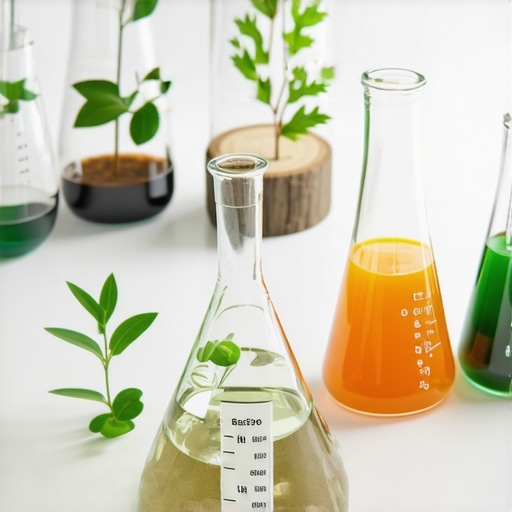
It was a typical Wednesday in the lab—a busy Tuesday, honestly. I was reaching for a beaker to transfer some chemicals when I noticed the thick layer of grime on the glassware, remnants from last week’s experiments. That lightbulb moment hit me hard: how much waste and resource consumption does my lab generate? I started questioning whether there’s a smarter, more sustainable way to handle our glassware and lab consumables. If you’ve ever felt overwhelmed by the sheer volume of disposable lab equipment choking our environment, you’re not alone.
How Sustainable Glassware Became a Game-Changer in Laboratory Practices
Switching to eco-friendly glassware isn’t just about adding a green badge to your lab’s reputation. It genuinely impacts our environment—reducing waste, conserving resources, and decreasing overall lab costs. Imagine replacing hundreds of single-use items with durable, reusable glass options that withstand rigorous sterilization. Not only does this cut down on landfill waste, but it also reduces the frequency of purchasing and shipping supplies, which often bogs down supply chains and adds to carbon footprints.
In my journey to make my lab more sustainable, I discovered a handful of glassware options that are both eco-conscious and practical. Each choice has its unique benefits, from reducing waste to cutting costs. Just last year, I made the mistake of dismissing the importance of proper glassware maintenance, thinking that occasional scrubbing was enough. Turns out, neglecting this could jeopardize experiment accuracy and safety, especially when dealing with sensitive samples. Trust me, it’s better to plan ahead and select glassware designed for longevity and easy sterilization.
Are you worried that switching to sustainable glassware might compromise the quality of your experiments? Believe me, I had my doubts too. In the next section, I’ll share the top options I’ve found for greener lab practices—no sacrifice on precision required.
Assess Your Current Inventory and Waste Generation
Begin by auditing your medical supplies and equipment usage. Keep detailed records of disposable versus reusable items, noting which products are frequently discarded. For example, I once tracked a week’s worth of sterile gloves and discovered that nearly 70% were single-use, contributing significantly to waste. Creating an Excel sheet or using inventory management software helps visualize patterns and identify key areas for change.
Select Durable, Reusable Medical Equipment
Invest in high-quality, sterilizable medical devices that can withstand multiple cycles. For instance, replacing disposable plastic sample containers with glass ones not only reduces waste but also maintains sample integrity. When I switched to reusable glassware in my lab, I ordered a set of reinforced, autoclavable beakers. Initial costs were higher, but the long-term savings and environmental benefits were worth it.
Establish Proper Cleaning and Sterilization Protocols
Implement strict cleaning routines to prolong the lifespan of reusable items. Use validated sterilization methods such as autoclaving or chemical disinfection. During my switch, I developed a log sheet to ensure each piece of equipment was cleaned according to manufacturer guidelines. This prevented contamination and extended usability, similar to how titanium surgical staples are favored for their durability and sterilizability.
Train Staff on Sustainability Practices
Hold regular workshops emphasizing the importance of sustainability. Demonstrate proper sterilization techniques and handling of reusable equipment. I personally trained my team over a weekend, emphasizing the environmental impact and safety. Engaging staff fosters a culture of responsibility, much like the adoption of lab filters that reduce chemical waste.
Replace Single-Use Items with Eco-Friendly Alternatives
Identify single-use products that can be substituted. For example, switch to biodegradable or compostable sterile wipes and containers. In practice, I phased out paper-based swabs in favor of reusable silicone-tipped applicators, which could be sterilized easily—saving money and reducing landfill waste.
Monitor and Optimize Usage Regularly
Continuously review inventory and waste data. Utilize digital monitoring tools for real-time insights. I’ve set quarterly audits to evaluate progress, adjusting procurement and sterilization schedules accordingly. Similar to how lab filters help reduce chemical waste, regular monitoring ensures your practices stay on track.
Leverage Technology to Reduce Waste
Adopt innovative devices designed for sustainability. Consider digital sample tracking systems to minimize errors and avoid unnecessary re-testing, reducing resource consumption. My recent experience involved integrating a smart inventory management system, which decreased redundant ordering by 15%, aligning with the goals of sustainable lab operations.
Engage in Continuous Education and Collaboration
Stay updated on new eco-friendly medical supplies through industry reports and trade shows. Collaborate with suppliers committed to sustainability—some now offer recyclables and refurbished equipment. For instance, I connected with vendors providing refurbished medical devices, which proved both cost-effective and green.
Many assume that all medical supplies and equipment are interchangeable and that their function is straightforward. However, this oversimplification ignores critical nuances that can impact patient safety, cost-effectiveness, and regulatory compliance. One common myth is that cheaper, off-brand supplies are always a saving, but in reality, inferior quality can compromise sterilization and lead to infections. As an expert practicing in the field, I’ve seen how purchasing decisions based solely on price often result in higher long-term costs due to device failures or legal liabilities. Furthermore, many overlook the importance of using equipment that meets specific standards; for example, not all surgical tools are suitable for high-temperature sterilization, which can cause damage and increase infection risk. The misconception that brand name equals quality persists, but sometimes innovative generic devices outperform established brands, especially when emerging regulations encourage stricter testing protocols. An advanced mistake many overlook pertains to compatibility issues — using incompatible devices can result in inaccurate diagnostics or even injury. For instance, some digital spectrometers or breath analyzers require precise calibration and standardized components; neglecting this can lead to false readings, skewing treatment plans. A particularly tricky area involves reusable versus disposable supplies. While disposables seem convenient, improper handling or sterilization protocols can turn them into infection vectors if reused beyond recommended cycles. Rigorous adherence to manufacturer guidelines and understanding the device lifecycle are vital. Have you ever fallen into this trap? Let me know in the comments.
How can facility managers ensure they select the right medical device for their needs without falling for myths or advanced pitfalls?
Balancing cost, compliance, and performance requires diligent research and understanding of emerging standards. Consulting recent studies, such as those highlighting the benefits of color-coded sample tubes in reducing errors (see here), can be invaluable. Additionally, ongoing staff training ensures that everyone understands the nuances of device handling and maintenance, reducing risk.
Choosing the Right Monitoring Systems to Keep Equipment Running
To ensure medical devices operate at peak performance, I rely on advanced monitoring systems like the MedSentry Continuity Platform. This software provides real-time data on equipment status, alerts for maintenance needs, and track usage patterns. In my experience, it simplifies preventive maintenance, reduces unexpected downtime, and extends device lifespan. As the future of healthcare leans toward predictive analytics, integrating such tools becomes indispensable.
Implementing Robust Sterilization Tools for Long-Term Reliability
Sterilization is critical for device longevity and patient safety. I swear by the SteriClean Autoclave Series, which offers consistent sterilization cycles and user-friendly interfaces. Regular calibration and routine maintenance of sterilizers prevent malfunctions that could endanger patients and compromise sterility. These tools are essential for maintaining compliance with strict healthcare standards and reducing costly recalls or infections.
Leveraging Data Loggers for Consistent Maintenance Checks
Data loggers like the TempTrack Pro have revolutionized my maintenance protocol. They accurately record environmental conditions such as temperature and humidity, vital for sensitive equipment storage. My routine involves reviewing these logs weekly, enabling early detection of environmental drift that could affect device performance. This proactive approach minimizes deterioration and ensures long-term reliability.
Where do I keep my tools in tip-top shape over time?
Maintaining medical equipment isn’t a one-and-done task. Regular calibration of devices, scheduled preventive maintenance, and staff training on proper handling are non-negotiables. For example, I schedule quarterly calibration sessions for digital spectrometers—neglecting this often results in inaccurate diagnostics. Documenting all maintenance activities using digital records helps track device history and plan future upkeep efficiently.
Predicting the future of maintenance in healthcare
As technology advances, I predict a shift toward AI-driven maintenance platforms that automate diagnostics and predict failures before they occur. The integration of IoT in medical devices will facilitate continuous health monitoring, drastically reducing downtime. Embracing these innovations now prepares your facility for a future where equipment reliability is maximized, and patient care is uninterrupted.
If you haven’t tried real-time monitoring tools yet, I highly recommend exploring platforms like MedSentry to revolutionize your maintenance routine. Staying ahead with these advanced tools ensures your medical supplies and equipment serve reliably, ultimately safeguarding patient outcomes.
What I Wish I Had Known About Medical Device Selection
One of the hardest lessons I learned was the importance of thoroughly vetting equipment suppliers. Rushing into purchases without understanding their sustainability commitments or sterilization standards can lead to costly mistakes and safety issues. My lightbulb moment came when I realized that a seemingly cost-effective device failed quality tests due to poor manufacturing, emphasizing that quality and sustainability often go hand-in-hand.
Another tough lesson was the misconception that recycled or refurbished medical devices are always inferior. I discovered that many reputable vendors now offer these options that meet rigorous standards, reducing environmental impact without compromising performance. This shift in perspective allowed me to make smarter, greener choices for my lab.
Finally, I learned that staff training is critical. Even the best sustainable equipment can become a liability if not used correctly. Investing in comprehensive training on sterilization protocols and proper handling has significantly extended the lifespan of our reusable glassware and devices, ultimately saving money and reducing waste.
Tools & Resources That Transformed My Approach
- MedSentry Continuity Platform: This monitoring system gave me real-time insights into device performance, helping me prevent failures before they happen. It’s become indispensable for predictive maintenance.
- SteriClean Autoclaves: Reliable sterilizers that ensure thorough cleaning, crucial for the longevity of reusable lab equipment and patient safety. Their user-friendliness encourages consistent use.
- TempTrack Pro Data Loggers: Keeping tabs on environmental conditions is vital. These logs helped me catch issues early, like fluctuating temperatures affecting equipment calibration.
- Industry reports on sustainable practices: Staying informed through reputable sources has kept me ahead of emerging standards and innovations, ensuring my lab remains compliant and eco-friendly.
Your Path to Smarter Medical Equipment Choices
Embracing sustainable practices isn’t just a trend—it’s a necessity. By learning from experiences, leveraging the right tools, and committing to ongoing education, you can make impactful decisions that benefit both your facility and the environment. Remember, every small change in handling or selection contributes to a larger movement toward responsible healthcare delivery.