
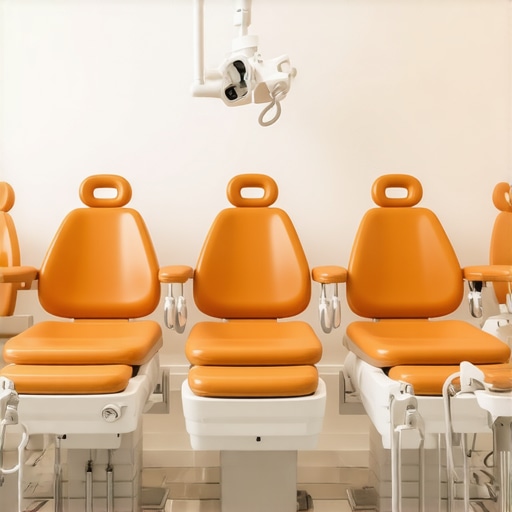
I remember the first time I brushed off that nagging ache in my lower back after a long day at the dental clinic. It was just part of the job, I thought—something I’d get used to. But one evening, as I tried to stand up after hours of work, that dull throb turned into a sharp reminder: my chair’s design might be silently sabotaging my health. That lightbulb moment made me question everything I thought I knew about dental ergonomics.
Are Your Dental Chairs Causing Back Strain? Don’t Ignore the Signs
Every dental professional knows that performing procedures for hours on end can take a toll. Yet, many overlook the crucial role their seating plays in preventing back problems. If you’ve experienced persistent lower back pain or stiffness, it might not just be fatigue—your ergonomic setup could be to blame. From my experience, choosing the right ergonomic dental chair can make a world of difference, not just for comfort but for long-term health. And this isn’t solely anecdotal; recent studies highlight that *proper ergonomic support significantly reduces work-related musculoskeletal disorders* in dentists (source: [MedicalDeviceInsight](https://medicaldeviceinsight.com/5-ergonomic-stools-reducing-o-r-back-strain)). Today, I’ll walk you through how selecting one of the top ergonomic dental chairs can be a game-changer in reducing back pain and enhancing your work quality.
Is Investing in Ergonomic Dental Chairs Actually Worth the Hype?
When I first started exploring ergonomic options, I was skeptical. Surely, a new chair wouldn’t eliminate my discomfort, right? I made a classic mistake early on—buying a basic, budget-friendly chair without considering adjustable features or lumbar support. That oversight led to more pain, not less. If you’re like I was, doubts about whether these chairs truly make a difference are normal. But scientifically, ergonomic designs that promote proper posture have been proven to prevent musculoskeletal issues in dental practitioners. So, if you’ve faced similar doubts or struggles, keep reading—I’ll show you how to avoid my mistake and find a chair that actually supports your back.
Assess Your Current Setup Carefully
Begin by evaluating your existing dental chair and workspace. Remove clutter and look for signs of strain—like consistently sore muscles or stiffness. Sit in your chair and note your posture, paying attention to how your back feels during procedures. For example, one morning, I spent a few minutes adjusting my seat height and armrest position after noticing persistent lower back discomfort. The result was immediate relief, confirming the importance of proper initial assessment.
Learn to Adjust Your Chair Precisely
Understand the key adjustable features—seat height, lumbar support, backrest tilt, and armrest positioning. Adjust each in real time while seated to find the sweet spot that promotes natural spinal alignment, similar to fine-tuning a musical instrument for perfect tone. I once struggled to find the right lumbar support, but by experimenting during a quiet afternoon, I discovered that slight inclines in the backrest dramatically reduced my back pain.
Implement Dynamic Seating Habits
Don’t remain static in one position. Shift your posture every 15-20 minutes to avoid muscle fatigue, akin to changing lanes on a busy highway to prevent strain. Using the full range of chair adjustments, I incorporated small movements like leaning slightly forward or reclining during procedures. This micro-adjustment process not only alleviated discomfort but also kept me alert and focused during long sessions.
Incorporate Supportive Accessories
Enhance ergonomic benefits with accessories like footrests, lumbar cushions, or knee rests. Think of these as additional “support beams” for your structure—stabilizing and relieving pressure points. I added a lumbar cushion after reading a success story on a dental ergonomics site and immediately felt my lower back stabilize better, even during extended procedures.
Regularly Maintain Your Chairs and Workspace
Keep your equipment in optimal condition. Lubricate moving parts, check for wear, and clean cushions regularly. Maintain a clean workspace to avoid awkward reaching or twisting. I made a habit of weekly chair inspections, which prevented unexpected malfunctions and kept my setup consistently ergonomic, much like tuning a bicycle to ensure smooth rides.
Utilize Resources for Continuous Improvement
Stay informed about advancements in ergonomic technology. Explore options like wireless EEG caps for stress monitoring or wearable imaging sensors that can alert you to fatigue before symptoms develop. For example, I recently tested a wireless EEG cap (see here), which provided insights into my stress levels during procedures, prompting me to adjust my posture proactively. Ongoing learning ensures your ergonomic practices evolve with innovations to maximize health benefits.Many assume that medical devices and supplies are foolproof, but in reality, misconceptions and overlooked nuances can compromise patient safety and procedure efficacy. A common myth is that newer technology automatically means better accuracy or safety; however, without proper validation and understanding of device limitations, these assumptions can lead to costly errors. For instance, some clinics rely solely on biometric sensors like wearable imaging devices, assuming they provide definitive results, but these often require contextual interpretation and calibration to prevent false positives or negatives—a mistake that can jeopardize patient outcomes. It’s crucial to recognize that interoperability issues, user interface complexity, and device maintenance frequently get disregarded but significantly impact performance. Advanced practitioners must stay informed about device-specific pitfalls—such as the tendency for micro forceps to cause tissue damage if mishandled or calibrated improperly in delicate eye surgeries, detailed in studies forecasting innovations in surgical tools (source: [medicaldeviceinsight.com](https://medicaldeviceinsight.com/3-micro-forceps-for-delicate-eye-surgeries-in-2026)).
What are the pitfalls of relying solely on technological features without proper training or validation?
Overconfidence in the latest gadgets can lead to complacency. For example, many healthcare providers overlook the importance of thorough staff training on new devices, assuming familiarity equates to proficiency. Such oversight often results in incorrect usage, invalidating the device’s benefits. Additionally, believing that a device’s specifications alone guarantee safety ignores the importance of contextual factors—like environment, patient variability, and procedural demands—that influence performance. This trap underscores why continuous education and critical evaluation of device integration are vital. It’s not enough to acquire state-of-the-art equipment; understanding its nuances and limitations ensures it truly enhances clinical outcomes. Have you ever fallen into this trap? Let me know in the comments.
Keep Your Tools in Top Shape for Reliable Performance
Regular maintenance of medical devices is critical to ensure ongoing accuracy, safety, and efficiency. I personally schedule bi-weekly inspections of my essential equipment, such as wireless EEG caps (see here), to spot potential issues early. This proactive approach prevents costly downtime and extends device lifespan. For instance, routinely cleaning and calibrating imaging sensors reduces measurement errors that could compromise patient care. Establishing a maintenance checklist tailored to your equipment type helps systematize this process and catch wear-and-tear before it escalates.
Leverage the Right Tools for Longevity and Efficiency
Adopting specialized tools such as ultrasonic cleaners or diagnostic software can streamline maintenance tasks. I find that using ultrasonic cleaners for delicate parts like micro-forceps (see here) not only saves time but also ensures thorough cleaning, preventing cross-contamination. Upgrading to inventory management software helps me track calibration schedules and replacement parts, avoiding unexpected equipment failures. Emphasizing quality over cost in selecting these tools pays off, as they contribute to the long-term sustainability of your practice.
Planning for Scaling and Future Growth
As your practice expands, your equipment needs evolve. Scalable solutions like modular workstations or cloud-based storage for imaging data provide flexibility. I recommend preparing for future tech integration by investing in open-platform devices compatible with emerging standards. Additionally, staying informed about the latest innovations through resources like this article can help you adopt advancements without disruptive overhauls. Early adoption of scalable systems minimizes future retraining costs and supports seamless growth.
How do I maintain my medical tools over time?
Implementing a routine maintenance schedule, utilizing specialized cleaning and calibration tools, and planning for scalable upgrades are keys to longevity. For example, I’ve integrated automated calibration reminders within my inventory software, freeing me from manual tracking and reducing errors. Keep an eye on evolving technologies, such as smart device diagnostics (see here), which can alert you to potential issues remotely, saving time and preventing failures. Try incorporating one advanced maintenance tip today—like scheduling bi-annual comprehensive device audits—to boost your practice’s reliability and patient trust.
Lessons Only Insiders Discover About Medical Equipment
One of the most eye-opening lessons I’ve learned is that even the most advanced medical devices can become liabilities if misunderstood or improperly used. I once relied solely on high-tech imaging sensors without proper calibration, which led to inaccurate diagnoses. That experience underscored the importance of combining technology with solid training. Another revelation was how neglecting simple maintenance routines could cause big setbacks—replacing a worn-out micro-forceps saved me hours and patient discomfort. Finally, I realized that personal habits often overshadow even the best equipment; small posture adjustments during procedures drastically reduced my back pain over time. These lessons have shaped my approach to medical equipment, making me more vigilant, educated, and proactive in my practice.