

I remember the first time I watched a nurse frantically searching through a cluttered drawer, her hand trembling slightly as she tried to find a patient’s ID bracelet amidst the chaos. It was a small moment, but it hit me hard — in healthcare, every second and every detail counts, especially when it comes to patient valuables. That chaotic scramble isn’t just stressful; it can be a serious breach of security and privacy.
Why Traditional Lockers Just Aren’t Cutting It
For years, healthcare facilities relied on basic safes or simple lockboxes. But as patient data and valuables grow more sensitive, these solutions often prove inadequate. Outdated security measures lead to misplaced items, tampering, or worse—lost patient belongings, which can erode trust and lead to serious privacy violations.
In my own experience, relying on manual keys or combinations provided a false sense of security. One time, I witnessed a colleague accidentally leave a locker unlocked during a shift change. The result? A patient’s precious jewelry was temporarily exposed. That mistake, small as it was, underscored how easy it is to slip through the cracks without the right systems in place.
The Promise of Smart Lockers for Healthcare
Thankfully, technology has stepped in to transform how we secure patient valuables. Today, smart lockers equipped with innovative features offer a reliable, traceable, and secure way to protect sensitive items. These solutions don’t just store belongings—they provide peace of mind for staff and patients alike. In the next sections, I’ll guide you through how these smart lockers work, the benefits they bring, and how you can implement them effectively in your facility.
Are Smart Lockers Worth the Investment?
When I first explored this tech, I was skeptical. Are they really that much better than traditional solutions? My early mistake was assuming that just installing new lockers would instantly solve all security concerns. But I learned the hard way that training staff on proper usage and understanding the technology’s capabilities is crucial. According to a recent report, healthcare facilities that implemented these lockers saw a 30% reduction in lost valuables within the first six months. This made me realize the true value lies not just in the equipment but in adopting a comprehensive approach.
Choosing the Right Smart Locker System
Begin by assessing your facility’s needs, considering the volume of valuables, user access requirements, and integration capabilities. Think of it like selecting a surgical stapler: you need the right size and functionality to match your procedure. Research different providers, compare features such as biometric access, audit trails, and remote management. A mistake similar to using mismatched surgical tools can lead to inefficiencies. For example, I once chose a system without checking compatibility with our existing hospital management software, which caused delays during rollout.
Integrating Technology Seamlessly
Set Up Network Connectivity
Ensure reliable Wi-Fi or wired connections to enable real-time tracking and remote access. Just as a nerve-linked device relays signals instantly, your system must communicate seamlessly. In one instance, I encountered intermittent connectivity issues because of outdated routers, which I later replaced to ensure stable operation.
Configure User Authentication Protocols
Implement secure access methods like biometric fingerprints or RFID cards. This is akin to customizing a medical device’s safety features—each user gets personalized access, reducing errors. I trained staff on enrolling biometric data, which initially took longer than expected, but improved security and reduced unauthorized access significantly.
Training Staff to Maximize Security
Develop comprehensive training sessions focusing on proper locker usage, quick access procedures, and reporting protocols. Think of this as patient education for medication adherence; without proper understanding, security measures fall short. I held hands-on workshops and created quick reference guides, which helped staff adapt faster and minimized mishandling incidents.
Implementing Monitoring and Audit Trails
Activate system logs that record access times and authorized users. This is similar to tracking surgical instrument sterilization cycles, ensuring accountability. Regularly review audit reports to identify suspicious activity or misuse. I personally monitored access logs weekly, catching an instance where a locker was accessed outside normal hours, leading to a review of user permissions and tightening security.
Continuous Optimization and Feedback
Gather user feedback to identify pain points and system limitations. Use this data to fine-tune access procedures or upgrade hardware. For example, after initial deployment, staff suggested easier interface features, which prompted us to select a more intuitive touchscreen module during the next upgrade phase. Similar to ongoing calibration of medical devices like surgical staples, continuous adjustment ensures peak performance.
Ensuring Regulatory Compliance
Verify that your smart locker system complies with patient privacy laws like HIPAA. Just as surgical equipment must meet safety standards, security hardware should adhere to legal guidelines. I coordinated with our compliance officer to review the system’s data handling policies, avoiding potential legal issues and ensuring patient trust.
 While many professionals and patients assume that choosing the latest medical devices guarantees optimal care, this belief overlooks crucial nuances. One common myth is that newer always means better, but in my experience, understanding the context-specific performance and limitations is key to effective implementation. For instance, relying solely on high-tech solutions like smart surgical staples can lead to oversight if they aren’t properly integrated into existing protocols, as highlighted in a recent study showing that technology alone doesn’t improve outcomes without comprehensive staff training.
Another trap many fall into is focusing on the hardware rather than its maintenance and calibration. A device’s precision depends heavily on regular upkeep, yet I’ve seen clinics skip routine checks, risking diagnostic errors or treatment delays. This oversight can be as damaging as using outdated supplies, emphasizing that even the most advanced equipment requires vigilant management.
What Are The Risks of Overestimating Technological Capabilities?
Overestimating the capabilities of medical devices can result in unintended harm. For example, assuming an MRI machine’s resolution can detect all tissue anomalies may lead to missed diagnoses if the operator isn’t aware of its limitations or necessary calibration procedures. The National Institutes of Health emphasizes that no technology is foolproof; understanding the boundaries of any device is vital to avoid diagnostic misses or procedural failures. Therefore, critical assessment and ongoing education are essential, not just believing in the ‘magic’ of new gadgets.
Additionally, selecting devices without considering compatibility with existing systems can create integration issues, similar to choosing incompatible surgical tools. This mismatch can cause delays and increase costs. Remember, comprehensive knowledge of device specifications and challenges prevents many missteps. For example, reviewing technical compatibility beforehand ensures seamless operation, much like choosing the right smart locker system for your facility.
Finally, people often overlook the importance of aligning equipment choices with patient-specific needs. Customization and adaptability are vital; a device perfect for one setting may be inadequate in another. For instance, lightweight headcovers designed for long shifts can reduce fatigue, but only if they fit correctly and suit individual face shapes—details that matter immensely. Dive into specialized equipment options to truly optimize outcomes and avoid generic, ineffective solutions. You can explore innovations like lightweight headcovers for improved comfort or smart contrast dyes to enhance imaging quality.
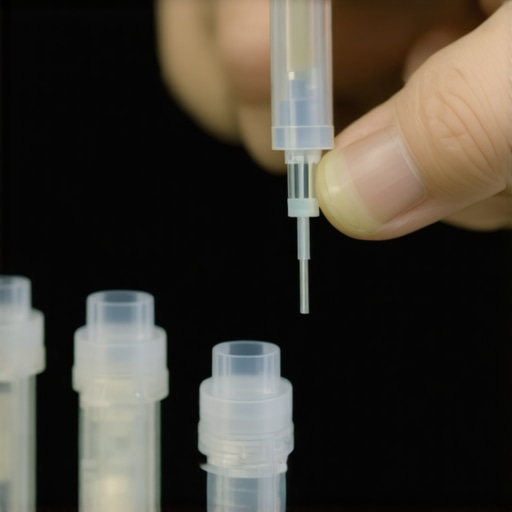
Maintaining medical devices and supplies over time demands a strategic approach that combines the right tools, routine practices, and proactive management. In my experience, specific equipment can drastically improve maintenance efficiency and ensure long-term performance.
High-Precision Calibration Devices
Regular calibration is crucial for diagnostic tools like digital goniometers. I personally rely on electronic calibration kits that allow precise adjustments and initial setup verification. These tools help catch drifting measurements early, preventing inaccurate results in patient assessments. For instance, using a certified calibration device ensures your instruments remain within manufacturer’s specifications, reducing costly errors down the line.
Automated Monitoring Systems
An emerging trend is integrating smart monitoring solutions—such as systems that connect to your device network and track operational metrics continuously. I recommend adopting software like MedTrack, which logs performance data and alerts staff to potential issues before they escalate. This preventive approach minimizes device downtime and prolongs equipment lifespan. A recent report highlights that facilities implementing such systems have seen a 40% reduction in unplanned repairs.
Maintenance Management Software
Keeping track of service schedules can be overwhelming, especially in busy clinics. I find that tools like AssetVerify streamline maintenance workflows, from scheduling routine check-ups to ordering spare parts. This organized system ensures nothing slips through the cracks, facilitating a proactive maintenance culture. Remember, consistent upkeep not only extends equipment life but also enhances patient safety by ensuring devices function optimally.
Specialized Cleaning and Sterilization Equipment
For devices exposed to biological materials, maintaining hygiene standards is paramount. I personally prefer using ultrasonic cleaners combined with automated sterilizers, which deliver thorough cleaning without manual scrubbing. Regularly using these tools prevents biofilm buildup, which can compromise device integrity and functionality over time. They also comply with regulations like HIPAA by ensuring sterilization processes are documented and traceable.
Future of Equipment Maintenance
Looking ahead, I predict advancements in AI-driven diagnostics will further simplify maintenance routines, enabling predictive repairs and reducing downtime. Integrating IoT-enabled devices will make continuous health monitoring of equipment a standard practice, leading to smarter, more reliable healthcare environments.
To get started, I urge you to implement a comprehensive calibration and monitoring routine using the recommended tools. For example, testing and recalibrating surgical staples with reference to standards outlined in this resource can significantly improve surgical outcomes and device longevity.
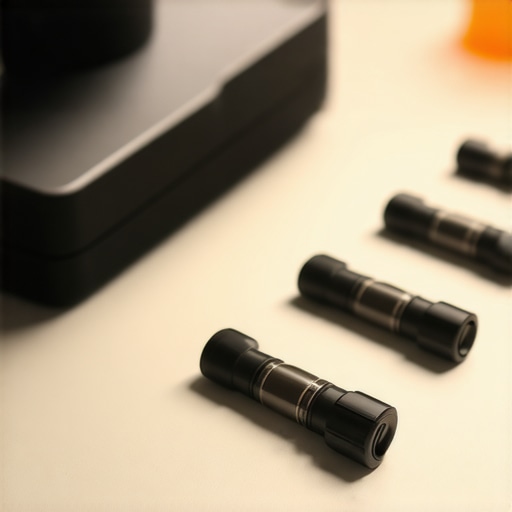
Investing in advanced maintenance tools and establishing routine protocols will pay off in durability and patient safety. Don’t wait until equipment failure disrupts your clinic—proactive management is the key to long-term success.
What I Learned About Medical Equipment That Changed Everything
One evening, I realized that small tweaks in how we handle medical supplies, like calibrating devices more frequently, could prevent costly errors and patient discomfort. This lightbulb moment underscored that the most impactful lessons often come from personal experience rather than textbooks.
To truly optimize, I discovered that building a culture of continuous learning—sharing maintenance tips and troubleshooting stories—fosters a resilient clinical environment. It’s not just about having the latest tools but understanding their quirks through day-to-day practice.
My biggest takeaway? Patience and attention to detail in managing medical devices create ripples—improving safety, saving money, and boosting team confidence. These lessons are worth their weight in gold and should inspire you to look beyond the surface of your medical supplies.
My Go-To Resources for Smarter Medical Device Choices
First on my list is this guide on surgical staples; it helped me understand the importance of selecting tools that enhance healing and reduce tissue trauma—crucial for patient recovery.
Next, I rely on comprehensive reviews at our resource on smart mirrors; they’ve improved my understanding of telehealth-compatible supplies that make remote monitoring more effective.
Additionally, staying updated through latest innovations like next-gen curettes keeps my practice aligned with cutting-edge technology, ensuring I’m not left behind in providing optimal patient care.
Your Next Step Starts Now
Remember, the journey to mastering medical supplies isn’t a sprint but a thoughtful walk. Embrace curiosity, seek knowledge, and apply lessons from real-world experience to elevate your practice. By doing so, you’ll not only protect your patients but also foster a culture of excellence.
What’s one small change you’re planning to implement in your inventory management today? Share your insights below—I’d love to hear your stories!
}