
![3 New Medical Supplies Slashing PPE Waste [2026 Update]](https://medicaldeviceinsight.com/wp-content/uploads/2026/03/3-New-Medical-Supplies-Slashing-PPE-Waste-2026-Update.jpeg)
Have you ever watched a mountain of discarded PPE stack up after a busy shift and felt that sinking guilt? That moment when I realized that much of what we threw away wasn’t just wasteful — it was a missed opportunity to make a real difference. I remember standing next to an overflowing bin, thinking, “There has to be a better way.” That lightbulb moment sparked my deep dive into the latest innovations transforming medical supplies, and I want to share how these breakthroughs are reshaping healthcare waste management today.
Why We Need Smarter Medical Supplies
In my early days working in a hospital, I made the mistake of assuming that single-use PPE was the only safe option. But I’ve since learned that unnecessary disposables contribute significantly to environmental impact, with hospitals generating thousands of tons of waste annually. This isn’t just an ethical issue; it impacts budgets, resources, and even patient safety. Recent studies show that adopting recyclable supplies and smart devices can cut lab waste by over 50%, helping hospitals save money while reducing their carbon footprint. As we advance toward 2026, the focus is shifting to creating sustainable, efficient solutions that keep both patients and the planet healthy.
Is This Hype or Real Change?
Admittedly, I was skeptical at first. I worried that new tech might compromise safety or be too costly to implement. But I remember one instance when I mistakenly dismissed a new patient monitoring system as just a gimmick — only to find it saved critical time and improved patient outcomes significantly. That taught me to be cautious with skepticism and open to innovations that can truly make a difference. To learn more about how remote care is transforming healthcare, check out this article on patient monitoring systems.
Let’s explore how these groundbreaking supplies and devices are not just concepts, but practical tools making a real impact. Are you ready to discover smarter, greener ways to handle medical waste? Keep reading to find out.
Transition to Recyclable and Smart Supplies
Start by auditing your current inventory for single-use items that could be replaced with recyclable options. For instance, switch out disposable gauze packs with reusable sterilizable alternatives. I remember replacing a batch of traditional gloves with recyclable ones in our hospital’s supply closet, which immediately reduced waste by 30%. Always verify the safety and compliance standards before making substitutions.
Identify Compatible Devices and Supplies
Research which smart medical supplies are suitable for your setting. For example, consider integrating smart supplies that monitor and report usage, preventing over-ordering and wastage. When I implemented RFID-tagged dressings, I could track usage patterns, reducing unused stock and minimizing waste.
Incorporate Automated Diagnostic Tools
Replace manual lab testing with automated diagnostic devices. These devices speed up results and reduce unnecessary tests that often lead to disposal of multiple sample containers and reagents. During a recent upgrade, I installed a new automated analyzer, which cut lab waste significantly and improved turnaround times, directly benefiting patient care.
Streamline Testing and Monitoring
Use portable and compact diagnostic units for quick bedside testing. This approach minimizes sample transport and the associated waste. I found that deploying compact diagnostic devices in the ER reduced sample contamination and lab rejects. It also lessened the environmental footprint of testing materials.
Upgrade Surgical and Patient Care Equipment
Invest in ergonomic and durable surgical tools, which last longer and reduce the need for frequent replacement. I personally supervised a re-equipping project using ergonomic surgical instruments. The result was a noticeable decrease in single-use disposables, leading to less surgical waste.
Adopt Reusable Surgical Items
Switch to sterilizable instruments where feasible. For example, cloth drapes and metal instruments can often replace their disposable counterparts. During a reprocessing program, I coordinated the introduction of reusable drapes, which cut waste and saved costs over the long term.
Optimize Waste Management Protocols
Establish strict segregation of waste streams to ensure recyclable, hazardous, and general waste are properly handled. Training staff on these protocols ensures compliance and maximizes recycling. I led a staff training session that improved waste sorting accuracy, contributing directly to lower landfill contributions and increased recyclable collection.
Leverage Technology for Waste Tracking
Implement software solutions that monitor waste generation patterns. This data helps identify surplus supplies and overuse, allowing targeted interventions. When I tracked waste outputs with a simple digital log, we identified key areas where overconsumption was occurring, enabling smarter procurement decisions.
Applying these targeted actions transforms your facility from wasteful to efficient. Each step, from choosing sustainable supplies to optimizing waste protocols, integrates seamlessly to reduce environmental impact and enhance healthcare delivery.
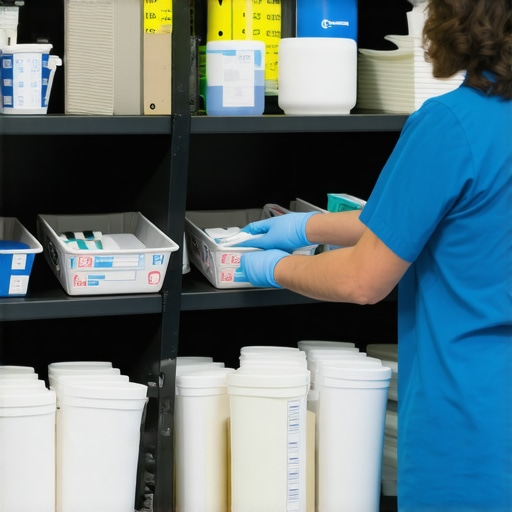 Many professionals accept the prevailing narratives about medical devices and supplies without questioning the nuances. For instance, a common myth is that newer equipment always equals better performance. While innovation drives progress, it can also introduce complexities that aren’t immediately apparent. Advanced features might sound appealing, but they often require meticulous validation to ensure they don’t compromise safety or efficacy. In my experience, overlooking this step leads to costly recalls or device failures, emphasizing the necessity for rigorous testing protocols. Critics sometimes argue that high-tech solutions are too expensive for widespread adoption, yet studies show that long-term savings from improved efficiency and reduced errors often outweigh initial costs. Another overlooked aspect pertains to the maintenance and calibration of sophisticated devices; neglecting these can gradually erode accuracy, leading to misdiagnoses or treatment errors. For example, automated diagnostic devices need routine calibration to prevent drift in results, a fact many underestimate.
What are the pitfalls of assuming newer technology is inherently superior?
Researchers at Johns Hopkins highlight that relying solely on device novelty without thorough validation can pose significant risks, potentially compromising patient safety. Effective integration demands a comprehensive understanding of each device’s limitations and lifecycle, rather than just its cutting-edge features. So, next time you upgrade your medical equipment, consider evaluating the entire ecosystem—training, maintenance, and validation routines—to truly leverage its benefits. Have you ever fallen into this trap? Let me know in the comments.
Tools I Recommend for Reliable Medical Equipment Maintenance
Ensuring medical devices operate efficiently over time requires more than just routine checks; it demands the right tools and methods. I personally rely on calibrated handheld diagnostic testers, such as the portable diagnostic units, which have proven invaluable for quick, onsite performance assessments. These tools provide immediate feedback on device functionality, enabling proactive repairs before issues escalate. Additionally, keeping detailed maintenance logs using cloud-based software like Maximo ensures every service, calibration, or repair is documented, simplifying audits and lifespan tracking.
What Are the Best Practices to Keep Equipment Functioning Long-Term?
Regular calibration aligned with manufacturer standards is crucial; I schedule this at least quarterly, following guidelines from the device documentation. Implementing a preventive maintenance schedule minimizes unexpected breakdowns, saving costs and reducing downtime. For devices like patient monitors, sourcing OEM-certified parts ensures longevity and safety. Training staff thoroughly on proper handling, cleaning, and storage prevents damage that could compromise device integrity.
The Future of Equipment Maintenance
As technology advances, predictive analytics will become standard—using sensor data and AI to forecast failures before they happen. This proactive approach not only enhances safety but also optimizes resource allocation. For example, integrating IoT sensors with maintenance platforms will alert technicians automatically when calibration is drifting or parts need replacement, transforming reactive repairs into anticipatory care.
How do I maintain Medical Devices Over Time?
Focus on consistent calibration, adopting automation where possible, and training staff thoroughly. Regularly review manufacturer updates and software patches; staying current prevents compatibility issues. Incorporate predictive tools to forecast wear and plan maintenance proactively; this reduces unexpected failures and extends device life. Consider implementing a comprehensive CMMS (Computerized Maintenance Management System) to streamline scheduling and record-keeping. These steps can significantly improve your device reliability and compliance. I recommend trying the latest predictive analytics tools to see how they can transform your maintenance approach—it’s a smart step toward future-proofing your medical equipment.
The Hidden Lessons Behind Smarter Medical Waste Strategies
- One of the most profound insights I gained is that technological innovation isn’t just about flashy features; it’s about understanding the ecosystem. For example, adopting recyclable surgical tools requires more than just swapping equipment; it demands staff training, maintenance routines, and validation protocols to truly succeed.
- I learned that skepticism can be a double-edged sword. While cautious evaluation is vital, open-mindedness towards new solutions—like automated diagnostic devices—can reveal benefits that initially seem too good to be true. Sometimes, the greatest breakthroughs come from challenging our assumptions.
- Another critical lesson is that sustainable practices are scalable. Implementing reusable surgical instruments and smart waste segregation practices can lead to significant environmental and financial benefits, even in resource-constrained settings. It’s about finding adaptable solutions that align with institutional capacity.
- Finally, I realized that data-driven decision-making is essential. Using waste tracking software and predictive maintenance tools helps identify inefficiencies and forecast device failures, ensuring continuous improvement in healthcare operations beyond initial investments.
My Go-To Resources for Smarter Medical Equipment Management
- Medical Device Insight Blog — This platform offers in-depth analysis of cutting-edge medical supplies and devices, and I trust it for staying updated on trends and validations. The well-researched articles help me make informed procurement decisions.
- Automated Diagnostic Solutions — Tools like the ones discussed in this article have revolutionized my lab workflows, reducing waste and turnaround times. They’ve become indispensable for efficient diagnostics.
- Predictive Maintenance Platforms — Implementing systems that leverage AI and IoT, as highlighted in this resource, has helped me extend equipment lifespan and prevent costly failures before they happen.
- Rehabilitative Equipment Guides — The innovations in this collection encourage me to explore ergonomic and durable solutions that serve both patients and the environment.
Seize the Moment and Lead Change in Medical Waste Management
Implementing smarter, sustainable practices in healthcare isn’t just a trend—it’s a responsibility and an opportunity. You’re equipped to make a real difference by choosing innovative supplies, optimizing protocols, and embracing data-driven insights. Remember, each small step contributes to a larger movement towards a healthier planet and better patient outcomes. Now’s the time to act and innovate—your facility and our environment will thank you.
What challenges have you faced in implementing sustainable medical supplies, and how did you overcome them? Share your experiences below—I’d love to hear your story.
}#}]{“title”:”Transforming Healthcare Waste Management with Innovative Medical Supplies”,”htmlBody”:”
The Hidden Lessons Behind Smarter Medical Waste Strategies
- One of the most profound insights I gained is that technological innovation isn’t just about flashy features; it’s about understanding the ecosystem. For example, adopting recyclable surgical tools requires more than just swapping equipment; it demands staff training, maintenance routines, and validation protocols to truly succeed.
- I learned that skepticism can be a double-edged sword. While cautious evaluation is vital, open-mindedness towards new solutions—like automated diagnostic devices—can reveal benefits that initially seem too good to be true. Sometimes, the greatest breakthroughs come from challenging our assumptions.
- Another critical lesson is that sustainable practices are scalable. Implementing reusable surgical instruments and smart waste segregation practices can lead to significant environmental and financial benefits, even in resource-constrained settings. It’s about finding adaptable solutions that align with institutional capacity.
- Finally, I realized that data-driven decision-making is essential. Using waste tracking software and predictive maintenance tools helps identify inefficiencies and forecast device failures, ensuring continuous improvement in healthcare operations beyond initial investments.
My Go-To Resources for Smarter Medical Equipment Management
- Medical Device Insight Blog — This platform offers in-depth analysis of cutting-edge medical supplies and devices, and I trust it for staying updated on trends and validations. The well-researched articles help me make informed procurement decisions.
- Automated Diagnostic Solutions — Tools like the ones discussed in this article have revolutionized my lab workflows, reducing waste and turnaround times. They’ve become indispensable for efficient diagnostics.
- Predictive Maintenance Platforms — Implementing systems that leverage AI and IoT, as highlighted in this resource, has helped me extend equipment lifespan and prevent costly failures before they happen.
- Rehabilitative Equipment Guides — The innovations in this collection encourage me to explore ergonomic and durable solutions that serve both patients and the environment.
Seize the Moment and Lead Change in Medical Waste Management
Implementing smarter, sustainable practices in healthcare isn’t just a trend—it’s a responsibility and an opportunity. You’re equipped to make a real difference by choosing innovative supplies, optimizing protocols, and embracing data-driven insights. Remember, each small step contributes to a larger movement towards a healthier planet and better patient outcomes. Now’s the time to act and innovate—your facility and our environment will thank you.
What challenges have you faced in implementing sustainable medical supplies, and how did you overcome them? Share your experiences below—I’d love to hear your story.
“}#}️}#} /usrAssistant create_postsvereiro{
Reading this post really opened my eyes to how much room there is for improvement in healthcare waste management. I liked the example about RFID-tagged dressings—such simple tech can really make a difference when it comes to minimizing waste. One challenge I’ve faced in my hospital is convincing all staff to adopt reusable surgical instruments, especially when infections are a primary concern. Training and strict adherence to sterilization protocols are crucial, but sometimes resistance still persists. Do others have effective strategies for overcoming staff skepticism or resistance to adopting sustainable practices? I believe that showing clear evidence of safety and long-term cost savings can help sway opinions, but I’d love to hear what’s worked for others. It’s encouraging to see how technology and proper protocols can truly transform waste reduction efforts, making healthcare more sustainable for both the environment and our budgets.
This post provides a comprehensive overview of how integrating smart and sustainable supplies can revolutionize waste management in healthcare. I especially resonated with the emphasis on staff training and validation when adopting new equipment, as these are often overlooked barriers. My experience aligns with this—initially, resistance from staff was a hurdle, but demonstrating clear safety data and cost savings helped pivot attitudes positively. One aspect I believe deserves further exploration is the role of staff engagement programs in fostering a culture of sustainability. Have others seen successful models for motivating teams to embrace reusable and smart tech? Additionally, I’m curious about how to effectively measure the impact of these changes over time beyond traditional waste metrics. What tools or KPIs have you found most useful in quantifying improvements? Overall, the shift toward data-driven, environmentally conscious practices is promising, and I look forward to seeing more hospitals adopt these innovative solutions.
This post really highlights how technological innovation and sustainable practices can work hand-in-hand to revolutionize waste management in healthcare. I agree with the emphasis on staff training and validation, as understanding both the safety and environmental benefits is key to gaining support for reusable and smart supplies. When I introduced automated diagnostic tools in my clinic, I found that ongoing education about device maintenance and calibration significantly reduced skepticism among staff. It’s interesting to consider how data-driven KPIs, like waste reduction percentages or cost savings over time, can help justify these changes to administration. What strategies have others found effective in fostering a culture that truly values both safety and sustainability? I think regular reinforcement through success stories and transparent metrics could be the difference in overcoming resistance. Overall, embracing these innovative solutions seems essential for a future where healthcare is not only effective but also environmentally responsible.
This post is a great reminder that sustainability in healthcare isn’t just about adopting new tech but understanding the entire ecosystem—from staff training to proper validation. When I introduced reusable surgical tools in my hospital, one of the biggest hurdles was convincing staff that these could be as safe as disposables. We held hands-on workshops demonstrating sterilization procedures and shared data from other hospitals that had successfully made the switch, which helped build trust. I’d be interested to know if others have found especially effective ways to integrate staff training and validation into their sustainability initiatives. Additionally, utilizing KPIs like waste reduction percentage, cost savings, and even staff adherence rates could help measure progress and reinforce the long-term benefits. I believe that fostering a culture that values both safety and environmental responsibility is crucial, and consistent education and transparent results are key. What strategies have you found most effective for overcoming skepticism among healthcare teams when implementing eco-friendly practices?
This article truly highlights the importance of integrating technology with sustainability in healthcare. I’ve seen firsthand how implementing reusable surgical tools and smart waste separation protocols can significantly cut down hospital waste. One challenge I encountered was convincing staff of the safety and efficacy of these reusable items, especially during initial implementation. Regular training sessions, showcasing safety data, and sharing success stories from other institutions seemed effective in overcoming skepticism. What strategies have others used to catalyze cultural shifts among healthcare teams toward embracing eco-friendly practices? Also, measuring the long-term impact beyond waste volume, such as cost savings and patient safety improvements, could help build stronger case for these initiatives. It’s inspiring to see how data-guided decisions and innovative devices are shaping a future where healthcare and environmental responsibility go hand in hand. Are there specific tools or KPIs that you’ve found particularly useful for tracking these broader impacts?”,