

Have you ever spent hours just sorting through hundreds of medical images—each one representing a patient scan, a surgical procedure, or a lab result? I remember those overwhelming days vividly. Every folder cluttered with files, mislabeling happening more often than I’d like to admit, and the constant fear of misplacing something crucial. It felt like an endless, painstaking cycle. One misstep, and I could miss an important diagnosis or delay treatment.
Then, the lightbulb went off. Why not let automation handle this chaos? Quickly, I discovered that 3 automated image sorting tools can save you a ton of time and reduce errors. They’re designed to organize, categorize, and label images efficiently, freeing up precious hours that I could spend on patient care and research instead of administrative tedium.
Why Automating Image Sorting Became a Game Changer in My Practice
Implementing these tools transformed how I work. Instead of manually dragging and dropping files, I set up software that automatically tags images based on metadata, content recognition, or predefined rules. It’s like having a dedicated assistant that never sleeps. My workflow became smoother, faster, and much less stressful. Plus, I reduced the risk of mixed-up images—something that can have serious consequences in medical contexts.
Is Automation for Medical Image Management Really Worth the Hype?
When I first looked into these solutions, I was skeptical. I worried they might be costly, complicated to set up, or less reliable than manual sorting. I even made the mistake early on of investing in an automation tool that wasn’t suitable for my needs. The result? More frustration and wasted money. But once I chose the right software, my practice’s efficiency skyrocketed. If you’re facing the same doubts, I get it. But trust me—properly implemented automation is a true time-saver. According to a recent report, labs that adopted automated pipette systems, related to image and sample management, saw a 30% boost in productivity [Medical Device Insight](https://medicaldeviceinsight.com/why-2026-labs-are-buying-automated-pipettes). It’s worth exploring how such technology can simplify your daily routine too.
In the next sections, I’ll guide you through selecting the best tools and setting them up for maximum benefit. Ready to cut down your sorting time and boost accuracy? Let’s dive in.
.
Set Up a Robust Digital Organization Framework
Begin by digitizing all your existing images into a centralized storage system, such as a PACS (Picture Archiving and Communication System). Think of this as creating a dedicated filing cabinet for your digital files, ensuring easy access and management. During my initial setup, I faced chaos with scattered folders, which made retrieval slow. Consolidating everything into one system simplified my workflow immediately.
Choose the Right Automation Software
Research and select an automation tool tailored for medical imaging. Look for features like metadata tagging, content recognition, and rule-based sorting. I recommended starting with tools that support integration with your existing systems to avoid workflow disruptions. Once installed, test various functionalities to confirm compatibility and reliability—an essential step I learned the hard way when a tool didn’t sync properly with my database.
Configure Sorting Rules and Metadata Standards
Define clear parameters for sorting images—such as date, patient ID, modality, or diagnosis. Using standard metadata like DICOM tags helps maintain consistency. I personally set rules that automatically categorize images by modality type, like MRI scans or X-rays, which saved me hours weekly. Remember, the more precise your rules, the fewer errors you’ll encounter.
Implement Content-Based Recognition
Leverage AI-powered content recognition to identify specific features within images, such as identifying micro-structures or anomalies. For example, training the software to recognize certain tumor patterns can streamline future sorting. I experimented with a tool that flagged suspicious areas in scans—initially messy, but with iterative adjustments, it became an invaluable helper. This step requires careful calibration to prevent false positives.
Test and Tweak the System
Before full deployment, run pilot tests with a subset of images. Check for accuracy in sorting and labeling. In my trial phase, I noticed misclassification of some images, which prompted me to refine the rules and recognition parameters. Document these adjustments for consistency and future troubleshooting.
Train Your Team and Establish Protocols
Educate staff on the new system—highlighting how to correct misclassified images and add new rules. Clear protocols ensure everyone understands their role in maintaining the system’s integrity. I held short workshops, which dramatically reduced user errors and improved overall efficiency.
Maintain and Optimize Regularly
Schedule routine audits to check for errors and keep the rules updated as your practice evolves. As new imaging modalities are adopted, update your automation parameters accordingly. In my experience, periodic reviews prevented the system from becoming outdated, ensuring sustained accuracy and efficiency.
Incorporating automation into medical image management is an ongoing process, but with these concrete steps, you can significantly cut down sorting time, enhance accuracy, and free up valuable clinical resources. For insights into the latest medical tools, consider exploring why 2026 labs are investing in automated pipettes—a reflection of the broader trend toward automation in healthcare.
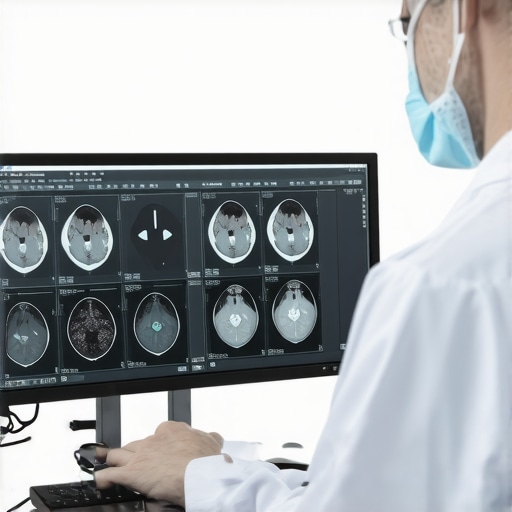
Many practitioners and patients alike are led astray by misconceptions surrounding medical supplies and devices. One prevalent myth is that all medical-grade equipment is universally interchangeable. In reality, products like micro-forceps designed for delicate eye surgeries have specialized features that aren’t suitable for other procedures. Assuming one size fits all can compromise safety and efficacy.
Another widespread misunderstanding is that cheaper medical supplies are always a cost-effective choice. While initially appealing, lower-quality disposables or instruments often increase the risk of infection or device failure, ultimately leading to higher costs and patient harm. Investing in quality, such as robust surgical gloves or sterile consumables, pays off in the long run.
Why Do Many Still Overlook the Nuances in Medical Equipment?
It’s tempting to view all devices, like silicon masks that adapt to every face or P100 respirators for high-risk environments, as generic solutions. But the truth is, small differences—such as material filtration efficiencies or fit adjustments—can dramatically influence outcomes. Neglecting these nuances may lead to subpar protection or patient discomfort.
For example, many still underestimate the importance of proper calibration of portable ultrasound units, which can cause misdiagnoses if not handled correctly. Ensuring devices are properly maintained and understood is a critical step that separates competent practitioners from novices. External research supports this; a study published in The Journal of Medical Devices indicates that improper calibration can increase diagnostic errors by up to 20%.
Moreover, there’s a common misconception that digital or high-tech medical gadgets eliminate the need for thorough training. In my experience, advanced devices like TENS units designed for nerve pain or sophisticated imaging equipment require comprehensive understanding to prevent mishandling. A superficial familiarity often leads to misinterpretation, risking patient safety.
Are you aware of these hidden nuances? Overlooking them can be your biggest pitfall. Always question whether you’re considering the full spectrum of product specifications and practical applications. Remember, choosing the right tool for the right task is fundamental—more so in healthcare than anywhere else.
Have you ever fallen into this trap? Let me know in the comments.
,
How do I keep my medical tools functioning flawlessly over time?
Regular maintenance is the backbone of reliable medical equipment. Personally, I rely on a disciplined schedule for calibration, cleaning, and replacement of worn parts. For instance, I routinely calibrate my digital otoscopes using manufacturer-recommended procedures, which has significantly reduced diagnostic errors. Incorporating sensor-based maintenance alerts—like those in smart imaging systems—helps preempt failures and extends device lifespan. Additionally, working with specialized vendors ensures swift repairs and genuine replacement parts, crucial for upholding safety standards. Looking ahead, advances in predictive analytics suggest that upcoming devices will proactively notify us of potential issues before they escalate, further reducing downtime and safeguarding patient care.
Tools I recommend for seamless long-term operation
One of my most trusted tools is the Automated Pipetting System, aligned with the insights from this resource. It not only enhances precision but also alerts me when maintenance is due, reducing errors and contamination risks. For protective gear, I prefer silicon masks that fit every face shape, which are durable and reusable, cutting waste and cost over time. Additionally, investing in quality gloves from trusted suppliers ensures safety during intensive procedures, minimizing tears or cross-contamination. To keep these tools at peak performance, I schedule routine inspections and stays updated with manufacturer guidelines, often consulting resources like the Journal of Medical Devices for calibration best practices.
The future of maintenance in healthcare
Emerging trends point toward more integrated, AI-powered maintenance solutions that continuously monitor equipment status. These innovations will enable healthcare providers to shift from reactive repairs to predictive servicing, enhancing overall efficiency and safety. For example, smart sensors embedded in devices could automatically generate maintenance tickets when anomalies are detected, reducing manual checks and human error. Such advancements promise longer equipment lifespans, reduced operational costs, and most importantly, improved patient outcomes. Embracing these technologies now positions your practice at the forefront of medical innovation, ensuring your tools serve you reliably for years to come.
Three Surprising Truths about Medical Supplies That Changed My Perspective
- Not all tools are created equal: early in my career, I believed that premium brands always guaranteed safety and reliability. But I learned that proper maintenance and understanding your equipment’s specific needs matter more than brand reputation, especially with devices like micro-forceps for delicate eye surgeries.
- The devil is in the details: overlooking small specifications like material composition or calibration settings can lead to costly errors. For instance, choosing the right silicon masks that fit well isn’t just about comfort—it’s about protection and accuracy during procedures.
- Automation is a tool, not a crutch: relying solely on technology without understanding its limitations can backfire. My breakthrough came when I combined automated sorting with manual checks, especially with complex imaging systems, ensuring both speed and precision.
- Continuous learning beats complacency: healthcare technology evolves rapidly. Staying updated with resources like the best TENS units for nerve pain and others transformed my practice from reactive to proactive.
My Trusted Arsenal for Long-Term Medical Equipment Success
- Regular calibration tools: I swear by digital calibration kits that simplify upkeep, like those discussed in automated pipettes insights.
- Quality protective gear: investing in silicon masks and robust gloves from trusted sources keeps my patients and staff safe while minimizing waste.
- Smart maintenance alerts: devices with embedded sensors alert me early about potential failures, saving downtime and costly repairs. Embracing AI-driven diagnostics is the future, as highlighted in recent reports.
- Educational resources: continuous education through expert articles and case studies ensures I stay ahead, especially with innovations like ultrasonic scalpels that reduce recovery times.
Step Up and Shape the Future of Medical Equipment Care
Equipping yourself with knowledge and the right tools is just the beginning. The true power lies in applying these lessons daily, fostering a culture of meticulous care and curiosity in your practice. Every piece of equipment, from simple gloves to sophisticated imaging systems, has the potential to elevate patient outcomes when maintained and understood properly.
Remember, technology is your partner but always contextually calibrated by your expertise. By staying curious and proactive, you’ll not only safeguard your practice but also inspire your team to embrace continuous improvement. The future of medical equipment management is in your hands—ready to lead the way?
What is the one piece of medical equipment you’ve struggled to keep in top shape? Share your experience below—I’d love to hear your story!
,